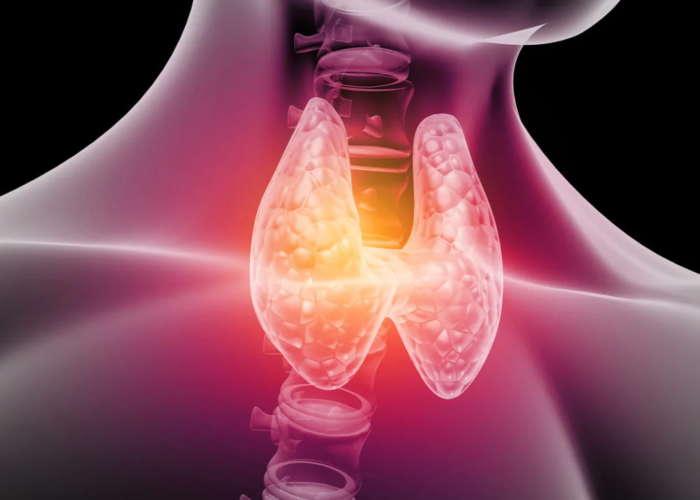
Thyroid disorders are on the rise, especially Hashimoto’s and hypothyroidism.
People with hypothyroidism have a thyroid gland that works slowly and does not produce enough hormones. This is why it is also called a lazy thyroid.
What is the thyroid and what role does it play in the body?
The thyroid is part of the endocrine system. Despite its small size, it controls numerous functions of the body.
In fact, every cell in the body has receptors for thyroid hormones (thyroxine T4, triiodothyronine T3, RT3). If the thyroid does not produce enough hormones, multiple dysfunctions occur in the body.
The main role of the thyroid is to control the speed of metabolism, or metabolic rate. In other words, the rate at which the body converts the food consumed into energy.
What symptoms does hypothyroidism cause?
People with hypothyroidism have a slow metabolism. Therefore, they gain weight even if they do not eat more, or they lose weight slowly. Moreover, most body functions are slowed down or diminished.
The main symptoms of an underactive thyroid are:
- fatigue
- low energy
- cold hands and feet
- increased sensitivity to cold
- low body temperature
- dry skin
- constipation
Even if a person shows signs of thyroid dysfunction, test results may still be normal.
This means that the person has subclinical hypothyroidism, meaning the symptoms are not severe enough for the disease to show up in tests.
What nutrients does the thyroid gland need?
Endocrinologists recommend synthetic hormones or no treatment for patients with hypothyroidism if the thyroid is still functioning optimally.
However, there are some supplements that can help alleviate symptoms or even restore thyroid function.
Proponents of holistic or integrative medicine talk about the importance of five crucial minerals for the thyroid. These are iodine, selenium, zinc, calcium, and potassium.
Patients with hypothyroidism can improve thyroid function by consuming these nutrients from their diet or supplements. They can help alleviate or even eliminate symptoms of hypothyroidism.
Iodine
The thyroid needs iodine to produce thyroid hormones. The T4 hormone has 4 iodine molecules, while T3 has 3 iodine molecules.
Iodine is therefore crucial. In its absence, the gland cannot function well. The body does not produce this mineral, so it must be obtained from food or supplements.
Selenium
This mineral is found in the highest concentration in the thyroid gland. It is a co-factor for the production of the T4 hormone and for its conversion into the active form T3.
Selenium should be taken together with iodine as they work synergistically. A deficiency in either can create imbalances.
Zinc
Like selenium, zinc is important for the release of thyroid hormones: T3, T4, and TSH.
Zinc deficiency has been associated with hypothyroidism.
Calcium
Although it does not directly affect the production of thyroid hormones, it influences how the body reacts to the activity of the thyroid gland.
Calcium binds to iodine receptors and affects the utilization of thyroid hormones. People who have calcium deposits in soft tissues (calcification) may have issues in this regard.
Calcification slows down thyroid function and makes the body’s organs less responsive to thyroid hormones.
Potassium
Like calcium, potassium is not directly involved in the secretion of thyroid hormones. It makes cells more sensitive to thyroid hormones. Additionally, it helps dissolve calcium.
It is common for people with calcification (excess calcium) to have low potassium levels.
Other minerals necessary for the thyroid include copper and manganese.
If you have hypothyroidism or another thyroid problem, check the levels of these minerals to correct their balance and optimize gland function.




