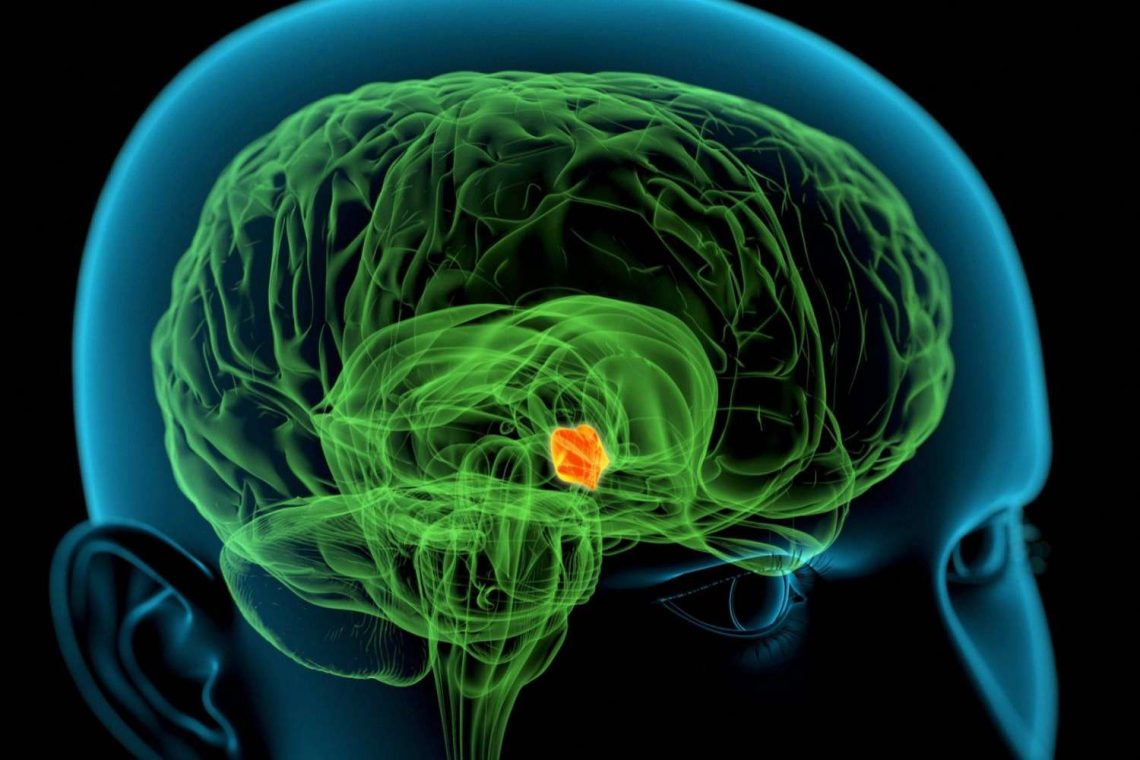
The hypothalamus is an essential part of the human brain and is often considered the control center for most hormones. Its relationship with the pituitary gland, as well as with the adrenal glands, affects both our nervous and endocrine systems.
What exactly does the hypothalamus do? For starters, it plays a role in caloric intake, weight regulation, and body temperature. I’m sure you’re starting to understand that, even if you weren’t already familiar with the function of the hypothalamus, it is clearly important for human existence.
The hypothalamus is located deep in the brain, just above the base of the skull. Its main general function is to regulate the homeostasis of our body.
In other words, it helps maintain the human body in a constant state of balance. When the hypothalamus does not function correctly, it affects the functioning of the pituitary gland, which controls the adrenal glands, ovaries, testes, and thyroid gland. So, when the hypothalamus function is not correct, there are many other vital things affected that are essential for good health.
Recent research even shows that many aspects of aging are controlled by the hypothalamus. Studies suggest that we might be able to change the signals from the hypothalamus to slow down the aging process and increase longevity.
Hypothalamic Hormones
The hypothalamus produces hormones that travel down the pituitary stalk to the posterior lobe of the pituitary gland, where these hormones are released directly into the bloodstream.
Vital hormones produced in the hypothalamus include:
– Antidiuretic hormone
– Oxytocin
– Corticotropin-releasing hormone
– Dopamine
– Growth hormone-releasing hormone
– Somatostatin
– Gonadotropin-releasing hormone
– Thyrotropin-releasing hormone
The hypothalamus is vital for the proper functioning and health of the thyroid. The primary hormones produced by the thyroid are called T4 and T3. Their production depends on the hypothalamus, which accurately senses the need for more thyroid hormones in the bloodstream and signals the pituitary gland to release more.
Thyroid-stimulating hormone is normally released by the pituitary gland in response to changes in thyroid hormone levels in the blood, but if you have hypothyroidism or Hashimoto’s disease, this system fails.
In general, the hypothalamus produces hormones that control:
– Body temperature
– Heart rate
– Hunger
– Mood
– Hormone release from many glands, especially from the pituitary gland
– Libido
– Sleep
– Thirst
The hypothalamus helps regulate appetite and weight, salt and water balance, emotions, growth, lactation, and milk production. As you can see, this part of the brain is essential for some truly vital variables and events in life.
Disorders
Some disorders associated with dysfunctional hypothalamus function include, but are not limited to:
1. Obesity
Several studies have linked dysfunctional hypothalamus function with obesity, an extreme excess of body weight. This is not surprising, as the hypothalamus plays a huge role in metabolism and energy consumption. The term hypothalamic obesity describes uncontrollable weight gain following hypothalamic damage.
2. Adrenal insufficiency
Low adrenal function or adrenal insufficiency is associated with dysfunctional hypothalamus function. The hypothalamus is part of the hypothalamic-pituitary-adrenal axis and plays a significant role in adrenal insufficiency.
Under ideal circumstances, the hypothalamus sends releasing hormones to the pituitary gland to control the production of sex hormones, thyroid, and adrenal functions. The pituitary gland then has the task of communicating with the adrenal glands, sending them a stimulating hormone called adrenocorticotropic hormone, which is meant to stimulate the production of adrenal hormones.
Usually, the adrenal glands do their job, producing adequate levels of cortisol and other hormones, and the pituitary gland and hypothalamus receive the message—but in people with adrenal insufficiency, all lines of communication are disrupted. Symptoms of low adrenal function can include dizziness or weakness.
3. Malnutrition
4. Infections and inflammations
5. Head trauma
6. Bleeding
7. Eating disorders, such as anorexia and bulimia
8. Genetic disorders that cause iron accumulation in the body
Natural Ways to Stimulate Hypothalamus Function
1. Increase Chromium Intake
Chromium is an oligomineral necessary for the body in small amounts for healthy functioning. The hypothalamus is extremely important, a central part of the autonomic nervous system that helps control body temperature, thirst, hunger, sleep, and emotional activity.
Studies have associated chromium with a healthier hypothalamus. Research suggests it may help maintain the hypothalamus in a more youthful state, better regulate appetite in older adults, and prevent negative effects on brain neurons caused by aging.
Some of the best food sources to obtain more chromium naturally through your diet include:
– Broccoli
– Potatoes
– Garlic
– Basil
– Grass-fed beef
– Oranges
– Turkey
– Green beans
– Apples
– Bananas
2. Use Essential Oils
Essential oils of frankincense and myrrh not only have a very long history of use dating back to biblical times, but they have also been shown to improve brain health. Two primary active compounds called terpenes and sesquiterpenes are found in both frankincense oil and myrrh oil. Both compounds have demonstrated anti-inflammatory and antioxidant effects on the body.
Sesquiterpenes are capable of crossing the blood-brain barrier and stimulating the limbic system of the brain and other glands, promoting memory and releasing emotions. It has been found that sesquiterpenes increase oxygen around receptors near the hypothalamus, pineal glands, and pituitary glands. Sesquiterpenes have a specific effect on our emotional center in the hypothalamus, helping us remain calm and balanced.
There are many ways to incorporate frankincense and myrrh into your daily life. You can diffuse essential oils, inhale them directly from the bottle, or mix them with a carrier oil like jojoba and apply the mixture directly to the skin.
3. Eat Healthy Fats
One of the best ways to balance hormones through diet is to regularly consume healthy fats.
Cholesterol and other fats play a fundamental role in building cell membranes and hormones. Certain types of fats, including cholesterol, also act as antioxidants and precursors to important molecules and neurotransmitters that support the brain.
Some sources of anti-inflammatory and healthy fats include olive oil, coconut oil, avocado, butter from grass-fed animals, and wild salmon. Consuming good fats, such as olive oil, supports healthy cholesterol levels, which is an essential aspect of proper hormonal synthesis.
4. Get Enough Sleep and Reduce Stress
Sleep is key to keeping our hormones in check. Lack of sleep, long-term use of corticosteroids, and chronic stress are three of the biggest contributors to high cortisol levels.
A report published in the Indian Journal of Endocrinology and Metabolism states that stress can lead to changes in the serum levels of many hormones, including glucocorticoids, catecholamines, growth hormone, and prolactin.
Cortisol is a glucocorticoid hormone synthesized from cholesterol by enzymes. At the right levels, it is helpful, but when you have too much, it can cause problems.
Since cortisol is regulated by the hypothalamic-pituitary-adrenal axis, and cortisol is the main hormone responsible for the stress response, keeping cortisol production at a healthy level through adequate sleep and stress reduction is extremely beneficial for the health of the hypothalamus (as well as the pituitary and adrenal glands).
5. Exercise Regularly
It seems that physical exercise not only improves heart health but also hypothalamus health, and improving both helps lower blood pressure.
Studies have suggested that there are a number of exercise-induced mechanisms in the hypothalamus that may contribute to healthy metabolic function as well as energy balance.
Precautions
To determine if you have a problem with the hypothalamus or a syndrome affecting your health, your doctor will likely perform a physical examination and ask about your symptoms. Blood or urine tests may also be conducted to evaluate your hormone levels.
If your doctor determines that you have hormonal deficiencies, hormone replacement medications will most likely be recommended.
Always be cautious when using essential oils, especially if you have sensitive skin. Discontinue use if negative reactions occur. Always test a small area before applying an oil to your entire skin to ensure you do not have any allergic reactions.
If you have a medical condition or are taking medications, consult your doctor before starting any new natural treatment.




