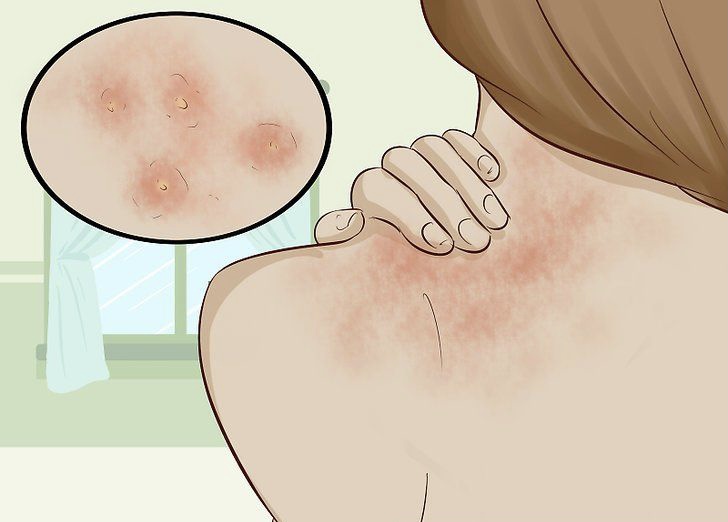
The skin is the first line of defense against viruses, germs, and fungi. If it becomes infected, you are at risk. While serious infections require medical assistance, minor skin infections can be prevented or treated at home. There are several simple remedies for skin infections that can help address these issues. Although you should always consult a dermatologist before using any home treatment, you can try these for immediate relief.
What is a skin infection?
A skin infection typically occurs when a bacterium, parasite, virus, or fungus enters the skin through a cut or an open wound and spreads. This causes pain, swelling, redness, changes in skin color, and other symptoms. A skin infection should not be confused with rashes. You have a rash when the skin is irritated (by any external agent, including chemicals). Skin infections and rashes can have similar symptoms, such as swelling, redness, and pain. It is possible to have a rash due to an infection, but not every rash is an infection. You need an accurate diagnosis to determine this.
A doctor is the best person to perform a thorough diagnosis and determine what type of skin infection you have. The doctor can identify the type of infection by examining the appearance of the affected area. However, they may also conduct other tests for a better diagnosis. Tests may include examining a skin sample and closely inspecting the lesion.
Home Remedies for Skin Infection
1. Yogurt
You will need:
Plain yogurt
Cotton ball
What to do:
Soak a cotton ball in unsweetened yogurt and apply it to the fungal infection.
Leave it on for 30 minutes and then rinse with cold water.
How often:
Twice a day until the infection disappears.
Why it works:
Plain yogurt contains probiotics that help prevent microbial infections by producing lactic acid.
2. Garlic
You will need:
2 cloves of garlic
2 drops of olive oil
What to do:
Crush the garlic cloves and mix them with olive oil.
Apply the paste to the affected area and leave it on for 30 minutes.
Rinse with warm water.
How often:
Twice a day.
Why it works:
Garlic contains diallyl sulfide and diallyl disulfide, which help manage fungal infections.
3. Turmeric
You will need:
1 tablespoon of turmeric powder
1 tablespoon of honey
What to do:
Mix both ingredients to make a paste.
Apply it to the affected area and let it dry.
Rinse with warm water.
How often:
Twice a day.
Why it works:
Turmeric contains curcumin, which has antibacterial, antiviral, and antifungal properties that help heal infections.
4. Aloe Vera
You will need:
Pure aloe vera gel
What to do:
Apply the aloe vera gel to the affected area.
Leave it on for a while and then rinse with cold water.
How often:
Two to three times a day.
Why it works:
Aloe vera gel contains anthraquinones, which have antibacterial and antifungal properties.
5. Tea Tree Oil
You will need:
1 tablespoon of coconut oil
2-3 drops of tea tree oil
What to do:
Mix both oils and apply the mixture to the affected area.
Leave it on for about half an hour and then rinse.
How often:
Twice a day.
Why it works:
Tea tree oil has antimicrobial and antifungal properties. It can effectively kill a wide range of fungi and bacteria.
6. Honey
You will need:
1 tablespoon of honey
1 tablespoon of onion juice
What to do:
Combine honey with onion juice.
Apply the mixture to the affected area.
Leave it on for at least 30 minutes and then rinse.
How often:
Twice a day.
Why it works:
Both onion and honey have antimicrobial properties. Honey has been used since ancient times (in traditional medicine) for healing wounds and infections.
7. Ginger
You will need:
Ginger paste OR a fresh ginger root OR ginger extracts.
What to do:
Apply raw and fresh ginger paste (or a fresh ginger root cut in half or the extract) directly to the affected area.
Leave it on for 30 minutes and then rinse.
How often:
Twice a day.
Why it works:
Ginger has antifungal properties that help inhibit the growth of fungi on the skin.




