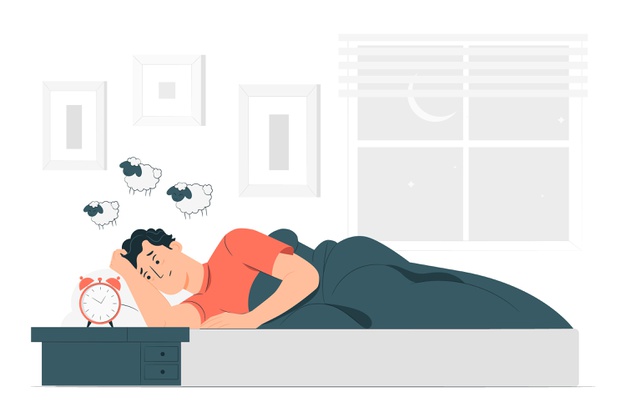
Sleep is a precious time that allows the body to heal and rejuvenate, and without sufficient sleep, health suffers. This means we need to find ways to rest adequately. Unfortunately, many people either cannot sleep or do not sleep enough, which is why natural sleep aids come into play.
The amount of sleep needed each night varies, but for adults, at least eight hours each night is crucial for a healthy mind and body. When we do not get enough sleep, our bodies are not the only ones that suffer. The Centers for Disease Control and Prevention report that 49.2 million people have concentration issues due to lack of sleep, and the National Highway Traffic Safety Administration has reported that millions of people fall asleep while driving!
Fortunately, this problem does not have to continue. It’s all about making some lifestyle changes, such as using the following safe natural sleep aids and focusing on getting the sleep you need.
Natural Sleep Aids
We have a natural sleep-wake cycle called the circadian rhythm. By being in sync with this rhythm, we can improve our sleep quality. A regular sleep/wake pattern helps you feel refreshed and ready for your day.
1. Sleep-Promoting Foods
It is a well-known fact that a heavy meal right before bed can lead to a poor night’s rest, but did you know that there are certain foods that could help you sleep better? This doesn’t mean you have to add extra calories or eat a huge meal right before bed, but it could mean incorporating some of these foods into dinner or as a small snack after dinner.
The most well-known characteristic that can help sleep through food is tryptophan. Tryptophan is an amino acid that can help the brain enter a relaxed state, similar to serotonin and melatonin. You can obtain tryptophan and serotonin from carbohydrates, especially 100% whole grain oats, brown rice, corn, or quinoa.
A study published in Sports Medicine out of France was conducted to help better understand ways to improve the sleep of elite football players, considering their chaotic schedules, night games, and the need for recovery through a good night’s sleep. The study found that consuming good carbohydrates such as honey and whole grain bread, along with some forms of protein, especially those containing tryptophan and producing serotonin, such as turkey, nuts, and seeds, helped promote restorative sleep. Even cherry juice, which contains healing properties like antioxidants, could be an excellent option.
2. Calcium for Relaxation
Calcium has an effect on our sleep cycle. According to the European Journal of Neurology, calcium levels are highest during our REM (rapid eye movement) sleep periods. This means that if you do not reach the REM sleep phase or if it is limited, it could be linked to a calcium deficiency. Calcium is important because it helps brain cells use tryptophan to create melatonin, a natural sleep aid produced by the body.
A glass of warm kefir made from goat’s milk provides calcium and magnesium, both of which work best when consumed together.
3. Magnesium Can Help You Get the Sleep You Need
Now let’s learn more about magnesium and how it can help your sleep state. If you have trouble sleeping, it could be due to a magnesium deficiency.
Studies have shown that higher levels of magnesium can help induce deeper sleep, and as mentioned, this is especially true when taken together with calcium for better absorption. Research from the Biochemistry and Neurophysiology Unit at the Department of Psychiatry at the University of Geneva indicates that higher magnesium levels helped ensure better and more restful sleep, as magnesium is a calming nutrient. In addition to goat’s milk kefir, foods like spinach, pumpkin seeds, and even dark chocolate can help, as they are loaded with magnesium.
Here are some snacks to consume for good sleep:
– Half a banana with a few almonds
– Almond butter cookies
– Gluten-free oatmeal with honey and cherries
– A small glass of warm goat’s milk kefir with turmeric and a dash of cinnamon
– Passionflower and valerian tea
– A small glass of cherry juice
4. Essential Oils for Sleep
It’s no secret that essential oils are a natural method for almost anything you can think of, and sleep is no exception. Prescription medications can cause numerous side effects and may leave you feeling groggy upon waking, among other negative side effects. Essential oils, on the other hand, do not cause these adverse reactions.
A study published in Complementary Therapies in Clinical Practice was conducted with cancer patients, a group that has serious sleep issues, to better understand whether aromatherapy using essential oils could help provide much-needed healing. Aromatherapy was applied to patients over a period of 13 weeks. Among participants, 94% reported that it helped them, and 92% reported that they would continue to practice it. Bergamot oil and lavender oil, along with sandalwood, thyme, and mandarin, were combined to create a useful blend that induces sleep.
5. Passionflower for a Calming and Restful Sleep
When we have anxiety, it can greatly affect how we sleep, as you simply cannot stop your thoughts, especially when trying to rest. Passionflower can provide the calming effect needed to help stop this vicious cycle of thoughts.
Clinical studies have shown that passionflower can reduce anxiety as effectively as the prescribed medication known as benzodiazepine oxazepam.
6. Valerian Root to Induce Sleep
Valerian root is a plant with roots that contains many healing properties, especially for relaxation and sedative effects. It is often found in combination with passionflower. By increasing the amount of gamma-aminobutyric acid (GABA), it helps calm the nerve cells in the brain, resulting in a calming effect. GABA works by blocking brain signals that cause anxiety.
If you do not like tea, you can choose a capsule form that can be found at health food stores.
7. St. John’s Wort Can Help Ensure Sleep by Addressing Depression
Depression is a common condition that can lead to lack of sleep. St. John’s Wort can be helpful.
Recent studies indicate that chemicals such as hyperforin and adhyperforin are found in St. John’s Wort, acting as little messengers in the brain that drive mood and function as powerful antidepressants.
The National Sleep Foundation reports that insomnia is common among those who are depressed and observes that people with insomnia have a much higher risk of becoming depressed.
Research from the Department of Psychology at the University of North Texas shows that depression can affect many aspects of sleep, from falling asleep to staying asleep. Treating depression using St. John’s Wort may help you find that restorative sleep your body and mind crave.
How Much Sleep Do We Need?
The National Sleep Foundation recommends the following amount of sleep for different age groups:
– Newborns: 14-17 hours
– Infants: 12-15 hours
– Toddlers: 11-14 hours
– Preschoolers: 10-13 hours
– School-age children: 9-11 hours
– Teenagers: 8-10 hours
– Adults: 7-9 hours
– Older adults: 7-8 hours
Recipe for a Natural Sleep Aid
There are several different ways you can create your own natural sleep aids. Start with the following recipe:
Kefir for Sleep with Turmeric and Cinnamon:
INGREDIENTS:
– 1 cup of goat’s milk kefir
– 1 teaspoon of ground turmeric
– A dash of cinnamon to taste
– A dash of nutmeg to taste
PREPARATION:
Pour the kefir into a cup.
Add the turmeric and mix well.
Top with cinnamon and nutmeg.
Drink before bedtime.
If you decide to heat the kefir, make sure not to boil it. Heating does cause the loss of beneficial probiotics, but it will not cause the loss of magnesium and calcium, which help with natural sleep.
Risks and Side Effects
Always make sure to start with small amounts of any new food, herb, or essential oil, as different people may have allergic reactions to certain foods. If you notice anything unusual, stop the treatment immediately. Also, if you are taking prescription sleep medications or any other medications, please consult your doctor first.