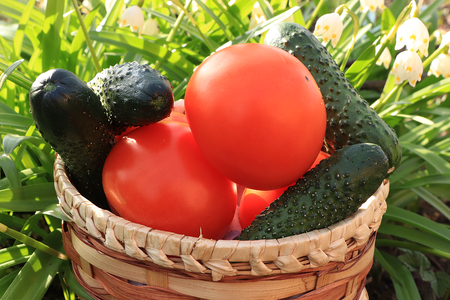
It has been shown that eating seasonal vegetables helps increase nutrient intake, contributes to good health, and supports local farmers. That said, growing and buying summer vegetables from local farmers’ markets is an excellent way to improve your health and contribute to your community.
What are the best summer vegetables to enjoy during the hottest months of the year?
Top 8 Summer Vegetables (plus benefits)
What vegetables are in season during the summer? Here is a list of some of the healthiest, along with their benefits:
1. Cabbage, Lettuce, and Other Summer Greens
Lettuce is one of the healthiest greens available, as it is packed with antioxidants, including isothiocyanates, vitamins C, A, and K, manganese, copper, magnesium, potassium, and more.
2. Zucchini
With many different cooking styles, these vegetables are low in calories, easy to incorporate into recipes, and good sources of vitamins C and B6.
Zucchini has a high water content, which can keep you hydrated for longer periods. It is one of those foods with a low glycemic index. Increased consumption of fruits and vegetables and low-fat foods has been linked to healthy weight loss and weight maintenance.
3. Eggplant
Eggplants contain unique compounds in their dark skin, including polyphenols, such as anthocyanins, the same type found in berries and red wine. Eggplants can help combat free radical damage and also provide manganese and folic acid, which support bone and metabolic health.
This vegetable (botanically a fruit) helps promote heart health, control blood sugar levels, reduce cancer risk, improve cognitive function, and aid in weight loss.
4. Tomatoes
Tomatoes are excellent for increasing your intake of vitamins C and A, fiber, and antioxidants that fight diseases, such as lycopene. Since each type has its unique flavor, plant several different varieties if possible.
Tomatoes contain a huge amount of antioxidants that have been shown to fight various forms of cancer. They are a rich source of vitamins and minerals and have a protective effect against cardiovascular diseases.
5. Cucumbers
Cucumbers are extremely low in calories and carbohydrates and very high in water, making them hydrating and an excellent post-workout snack.
With vitamins K, B, copper, potassium, vitamin C, and manganese, cucumbers can help you avoid nutrient deficiencies common among those with less healthy diets. Additionally, they contain unique polyphenols and other compounds that help reduce the risk of chronic diseases and more.
Cucumbers contain an anti-inflammatory flavonol called fisetin, which seems to play an important role in brain health. Plus, it improves memory and protects nerve cells.
6. Bell Peppers
Whether you prefer sweet, spicy, green, yellow, or red peppers, you will benefit from a high intake of vitamin C, vitamin E, and antioxidants like beta-carotene when you consume them. Spicy peppers, which contain a compound called capsaicin, support a healthy metabolism and can help reduce your appetite.
Bell peppers have remarkable health benefits. These vegetables are low in calories and high in water content. The fact that they contain no cholesterol makes them even more appealing. Bell peppers can be consumed in various ways to enhance your health. Below are some popular health benefits of bell peppers:
7. Basil
One of the most popular herbs in the world, the sweet taste of basil is an excellent addition to both meals and drinks. Basil is used to make essential oil, as it is very rich in protective compounds, including eugenol, linalool, and citronellol, which help combat inflammation.
From a happy stomach to glowing skin, basil leaves work wonders for our mind and body. Let’s take a look at the benefits of basil leaves for your health and how you can incorporate them into your diet!
8. Garlic
Garlic is the best food source of a compound called allicin, which has the natural ability to fight pathogens and help protect against infections. You can even save garlic peels and use them in various ways, such as for composting and repelling insects from your garden.
Regular consumption of garlic has been linked to reducing or preventing four of the leading causes of death worldwide, including heart disease, stroke, cancer, and infections.




