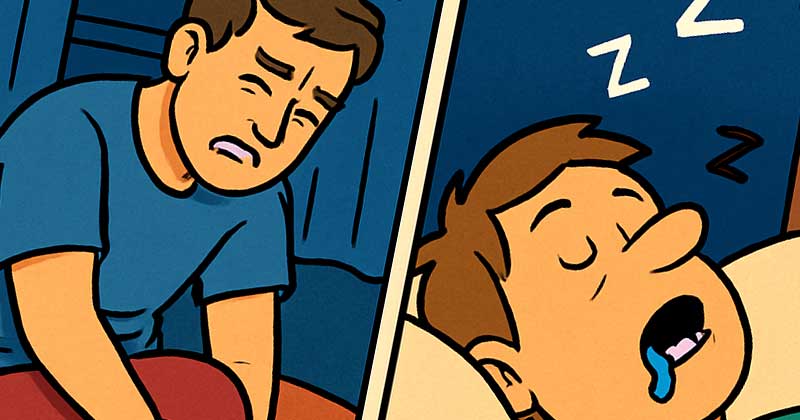
Did you know that some symptoms of diabetes can manifest at night?
It is important to understand how this widespread yet serious disease can show its presence during the night. Below are the main nocturnal signs of diabetes that you should be aware of.
- Frequent Nighttime Urination
One of the first warning signs is the need to get up multiple times at night to go to the bathroom. This can be linked to high blood sugar levels, as the kidneys work more actively to eliminate excess glucose along with fluids — hence the frequent need to urinate. - Night Sweats
Do you wake up in the middle of the night sweating? This can be a sign of nighttime hypoglycemia — low blood sugar levels. This condition requires attention, especially if you are taking medications to lower blood sugar. - Signs of Hypoglycemia
These include trembling, sweating, hunger, confusion, blurred vision, and rapid heartbeat. These symptoms can occur even during sleep when the body also needs a stable level of glucose. - Restless Legs Syndrome
The sensation of tingling, pain, or burning in the legs, which intensifies at rest, is a common symptom of diabetic neuropathy. Nerve endings affected by high sugar levels can create an irresistible urge to move the legs at night. - Sleep Apnea
If you snore or wake up due to breathing cessation, this may be a sign of sleep apnea, commonly found in people with diabetes, especially those who are overweight. This condition not only prevents restful sleep but is also associated with metabolic disorders. - Intense Thirst at Night
Do you wake up with a dry mouth and thirst? This can be the result of dehydration caused by excessive urination. Intense thirst is one of the characteristic symptoms of diabetes. - Constant Fatigue
Even after a full night’s sleep, do you feel exhausted? This can occur because the body cannot efficiently use glucose for energy. Often, this is associated with insulin resistance or lack of insulin. - Dry Mouth
Lack of saliva can cause nighttime awakenings and discomfort. High sugar levels reduce saliva secretion, which can be another indirect sign of diabetes. - Sleep Problems
Sleep disturbances — whether it’s insomnia, frequent awakenings, or a feeling of restlessness — can be linked to sudden fluctuations in glucose levels. Hypoglycemia can cause trembling and sweating, while hyperglycemia can lead to dehydration and frequent urination.
Conclusion
If you notice one or more of these signs, especially if they occur frequently, do not delay in visiting a doctor. Early diagnosis and proper treatment help manage diabetes and lead to a healthy and active life.


