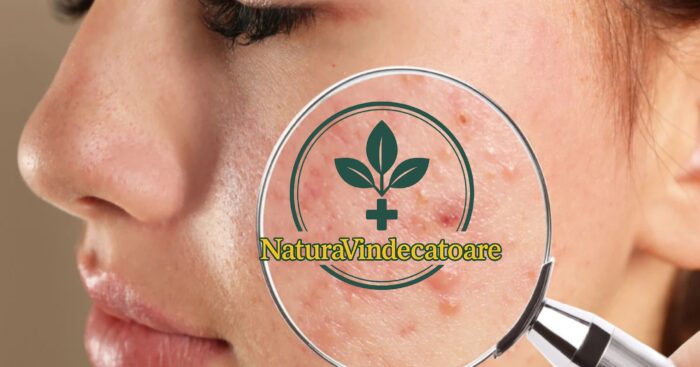
Acne is one of the most common skin conditions, affecting both teenagers and adults. The triggering factors can be multiple: hormonal imbalances, stress, diet, genetic predisposition, or improper skin care. In recent years, research has confirmed that certain natural ingredients can help reduce inflammation, combat bacteria, and regenerate the skin. Home remedies represent an accessible solution, free from chemical additives, and can be adapted according to skin type and the severity of acne.
Benefits of natural remedies for acne
- Reduces inflammation and redness of the skin
Ingredients such as honey, turmeric, or green tea contain anti-inflammatory compounds that soothe irritated tissues. Research shows that the polyphenols in green tea reduce the activity of sebaceous glands, decreasing excess sebum. Turmeric has a similar effect to natural corticosteroids but without short-term side effects. Regular application of remedies with these ingredients can even out skin tone and reduce the inflamed appearance of blemishes. Over time, this process leads to smoother skin that is less prone to irritation. - Fights bacteria responsible for acne
Propionibacterium acnes (P. acnes) is the bacteria involved in triggering inflammatory acne. Manuka honey, tea tree oil, and garlic have scientifically proven antibacterial properties. These ingredients attack the bacterial membrane, preventing the multiplication of microorganisms. Unlike synthetic antibiotics, they do not create bacterial resistance. Regular use can prevent the appearance of new lesions. - Regulates sebum production
Excess sebum clogs pores, creating the ideal environment for acne to develop. Green clay, oatmeal, and apple cider vinegar have the ability to absorb excess oils and deeply cleanse the pores. Green clay, rich in minerals, acts like a magnet for impurities, while oatmeal has a soothing effect on the skin. Used 1-2 times a week, these ingredients help maintain a natural balance of the skin. - Gently exfoliates and regenerates skin cells
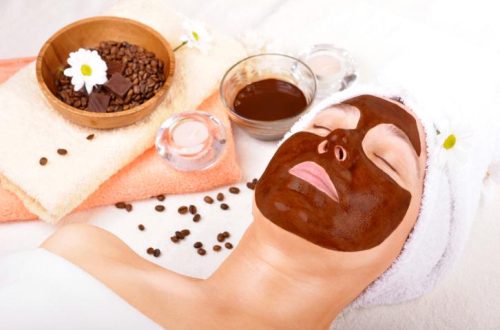
Masks with honey and coffee grounds, brown sugar, or coffee powder help remove dead skin cells. Gentle exfoliation allows active ingredients to penetrate better and stimulates cellular renewal. Thus, post-acne scars gradually fade. Additionally, local blood circulation is improved, supporting healing processes. - Hydrates and nourishes the skin
Acne-prone skin can paradoxically be dehydrated. Aloe vera, jojoba oil, and honey reinstate moisture in the superficial layers of the epidermis, preventing excessive dryness. At the same time, these ingredients provide essential vitamins and minerals for maintaining skin elasticity. Well-hydrated skin heals faster and is less prone to irritation.
Natural remedy recipes for acne
- Honey and coffee grounds mask
- 1 tablespoon of raw honey
- 1 tablespoon of coffee grounds
- Mix the ingredients until a homogeneous paste is obtained.
- Apply to affected areas, leave for 15 minutes, then rinse with warm water.
- Green clay and green tea mask
- 1 tablespoon of green clay
- 2 tablespoons of concentrated green tea infusion (cooled)
- Mix until a paste is formed.
- Apply to the face, leave for 10-15 minutes, and rinse with warm water.
- Aloe vera and tea tree oil mask
- 2 tablespoons of aloe vera gel
- 2 drops of tea tree essential oil
- Apply to the face and leave for 20 minutes.
- Rinse with cold water.
- Exfoliating mask with oatmeal and yogurt
- 2 tablespoons of finely ground oatmeal
- 2 tablespoons of natural yogurt
- Gently massage on the face for 2-3 minutes, then leave for 10 minutes.
- Rinse with warm water.
Studies and research
- Honey and acne – Journal of Clinical and Aesthetic Dermatology (2020)
The study evaluated the efficacy of Manuka honey in the treatment of moderate acne. Researchers found that local application twice a day for 4 weeks significantly reduced the number of inflammatory lesions. Honey demonstrated antibacterial properties against P. acnes and visible anti-inflammatory effects. Additionally, patients reported an improvement in skin texture. No major adverse reactions were observed, making it a safe treatment. Active compounds, such as methylglyoxal, were responsible for the antimicrobial effects. The study also highlighted the moisturizing effect, important for preventing skin dryness. Compared to benzoyl peroxide treatments, honey showed similar results but with fewer side effects. This confirms the potential of natural therapy in mild to moderate cases. The researchers concluded that honey can be used as an adjunct in anti-acne therapies. - Tea tree oil – Medical Journal of Australia (2017)
The study compared the effects of a gel with 5% tea tree oil with a gel containing 5% benzoyl peroxide. The results showed that the essential oil reduced the number of inflammatory and non-inflammatory lesions, with a better tolerance profile. Subjects using the oil experienced fewer irritations and peeling. The active ingredient, terpinen-4-ol, is recognized for its antibacterial properties. Researchers also emphasized the anti-inflammatory effect, useful in reducing redness. Daily application for 6 weeks resulted in significant improvements in over 80% of cases. Laboratory tests confirmed the inhibition of P. acnes growth. The oil proved effective against other bacteria that can infect acne lesions. The study concluded that tea tree oil is a safe and effective option for natural treatments.
Contraindications
- Avoid applying remedies on open wounds or severely infected lesions.
- Individuals allergic to pollen or essential oils should perform a patch test on a small area before use.
- Pregnant women and small children should not use tea tree essential oil without medical advice.
- Avoid excessive exfoliation, which can irritate the skin and worsen acne.
Sources
- Journal of Clinical and Aesthetic Dermatology – Manuka honey: A natural treatment for acne vulgaris
- Medical Journal of Australia – Efficacy of tea tree oil in the treatment of mild to moderate acne