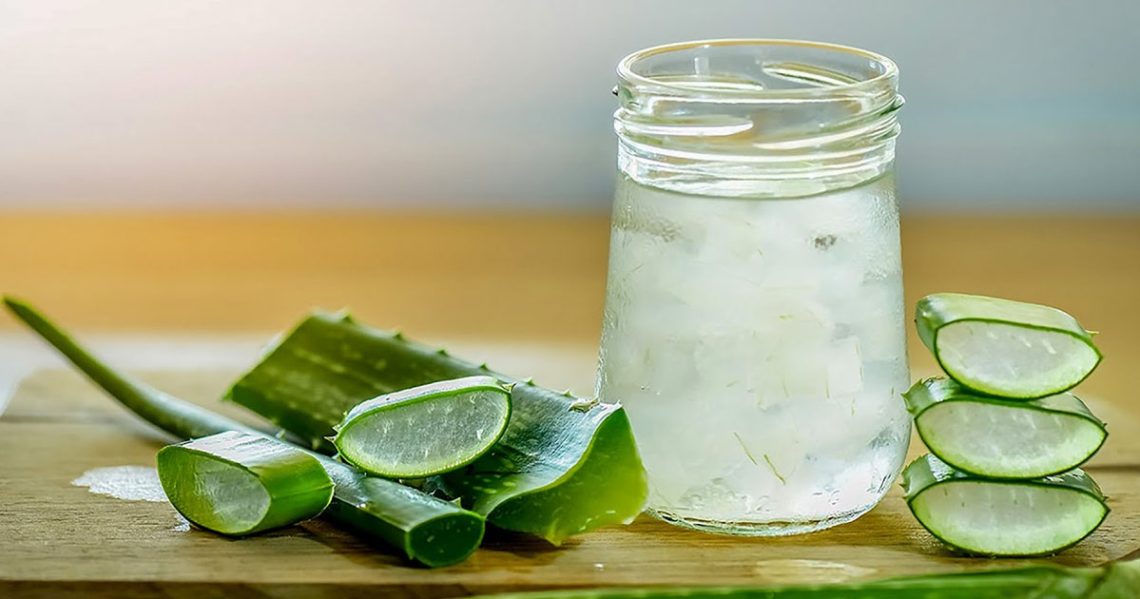
Ingredients:
– aloe vera
– citrus juice (orange, grapefruit)
Preparation Method:
Peel the aloe to obtain approximately 2 tablespoons of gel. Place it in a blender along with your preferred citrus juice and blend until the gel and juice are perfectly combined.
Ingredients:
– aloe vera
– honey
– water
Preparation Method:
Peel the aloe and use only the gel. For one glass of juice, use about one tablespoon of aloe gel. Add it to the blender along with honey (to taste) and water.
You can drink this juice for 10 days, after which take a break for another 10 days.
Health Benefits
The extract of the plant is used in numerous health and skincare products.
Aloe vera juice has digestive benefits and boosts immunity. It helps treat intestinal issues and strengthens the immune system. The plant is also good for the heart, helping to reduce cholesterol and blood pressure.
Other benefits include balancing the body’s pH levels and improving skin health. It may also improve menstrual conditions. In fact, aloe vera juice has been mentioned in Ayurvedic texts. It enhances eye health and helps prevent various ocular disorders.
It is useful in treating jaundice and bronchitis.
You can drink this juice before bedtime, as it has been shown to help reduce abdominal fat.
In some parts of the world, aloe juice is also referred to as aloe water.
Treats Digestive Issues
The juice has laxative properties that can aid digestion. It encourages good intestinal bacteria and regulates intestinal flora. It has also been found to help heal stomach ulcers. This juice cleanses the digestive tract, which is vital for treating irritable bowel syndrome (caused by toxin accumulation in the gastrointestinal tract). The juice stimulates bile production, which breaks down fats in the body that could otherwise accumulate and cause constipation.
According to an Iranian study, aloe vera juice can reduce abdominal pain and flatulence in patients with irritable bowel syndrome.
Reduces Inflammation
The anti-inflammatory agents in aloe vera juice can treat swelling. A German study revealed its anti-inflammatory properties. A hormone (gibberellin) found in this juice combats inflammation and associated pain. This juice is beneficial for people with joint pain. According to a study, this plant can be used in the treatment of non-cancerous chronic pain, especially that caused by osteoarthritis.
Promotes Heart Health
According to a report, a number of 5,000 patients (suffering from chest or heart pain) consuming aloe vera showed a reduction in pain symptoms, as well as lower cholesterol and blood sugar levels.
Another study demonstrated its cardio-protective activity. The juice may prevent the development of plaques and subsequently protect the heart, reducing the chances of developing atherosclerosis.
This juice has been shown to be useful in lowering liver cholesterol levels. In a study, patients exhibited a 30% reduction in liver cholesterol levels. Aloe vera juice dilates capillaries and improves arterial walls, while vitamin C contributes to lowering blood pressure.
Detoxifies the Body
Aloe vera juice has hepatoprotective activity. It also possesses laxative properties, eliminating toxins from the digestive system. The potassium in this juice helps stimulate the liver and kidneys, two vital organs for detoxification. This plant contains uronic acid, which eliminates toxins from cells.
Prevents Cancer
Based on a study conducted in the United Arab Emirates, aloe vera can inhibit the growth of cancer cells and enhance the effectiveness of cancer medications. The accumulated scientific evidence sheds light on the preventive and therapeutic potential of this juice.
It can stop tumor growth. It also maximizes the effects of anti-cancer plants. It has been found that the juice reduces damage to the body caused by radiotherapy. It even reduces metastases, thus halting cancer proliferation.
Attention! Excessive consumption of aloe vera juice can cause: stomach cramps, diarrhea, dehydration.
Hypotensive individuals should be cautious with aloe consumption.
In some people, aloe vera may cause allergic reactions, skin rashes, and irritations.
Aloe vera is strictly contraindicated for pregnant women as it can cause diarrhea. During this period, as well as during breastfeeding, it is advisable to consult a doctor regarding dietary analysis to eliminate potentially risky foods.




