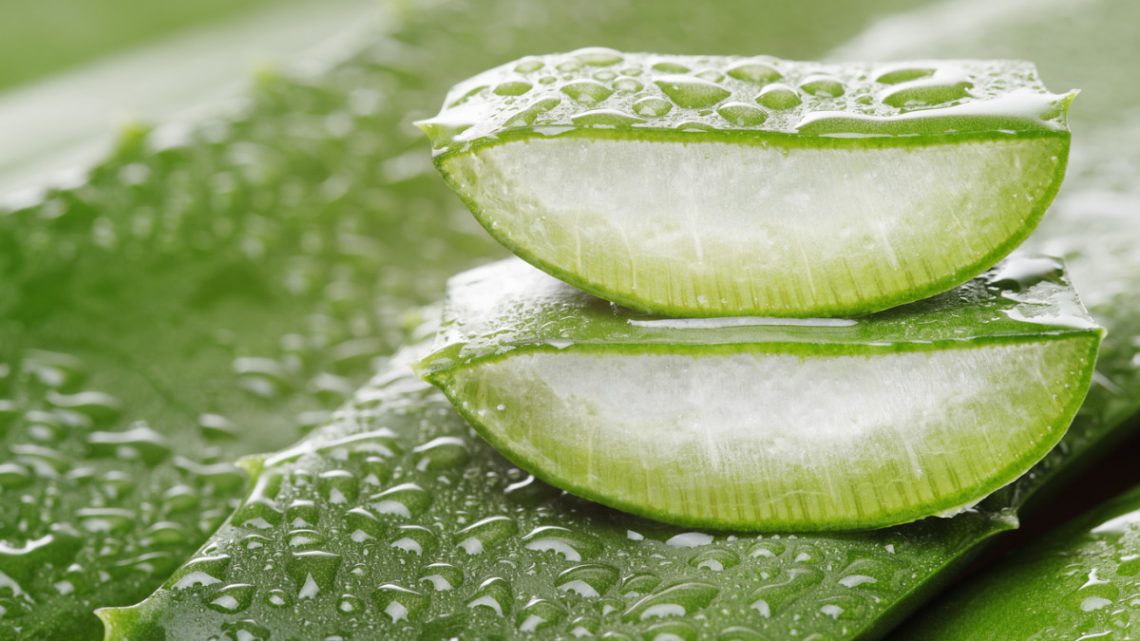
Aloe vera is found in many households, appreciated as a decorative plant, but what we may not know is that beyond its aesthetic appearance, aloe vera has therapeutic properties, proving to be helpful in cases of burns, insect bites, superficial wounds, duodenal ulcers, and constipation.
Aloe Vera, or Aloe Barbadensis, is a subtropical plant from the lily family, related to garlic, onion, lily, and tulip. It resembles a cactus, with lance-shaped leaves that grow directly from the ground, perfectly tolerating lack of water, and thriving in light and warmth.
Venerated for its healing properties, aloe has given rise to myths and legends throughout its history, which spans over 3000 years. The ancient medical treatise Papyrus Ebers recorded its multiple healing effects. For centuries, Africans would hold the plant in bundles above their heads to ward off evil spirits.
The Egyptians called it the plant of immortality
The Egyptians used it for treating wounds and against infections. They referred to it as the plant of immortality and included it among the funeral gifts in the tombs of pharaohs to ensure the health of the pharaoh’s spirit even after death.
In Egyptian lands, the magic of the aloe plant has persisted to the present day, being considered a symbol of happiness and protection, cultivated in homes to shield the family from various negative energies.
Today, its merits are recognized and validated by people’s experiences as well as a series of scientific studies. There are known to be over 250-300 species of aloe, among which aloe vera has the most notable therapeutic effects.
Aloe vera is a complex of over 240 active substances, including 18 amino acids, vitamins, and minerals such as calcium, magnesium, potassium, phosphorus, copper, and zinc, as well as plant hormones that stimulate cell growth and healing, polysaccharides, enzymes, and phytosterols that help reduce inflammation.
Its name comes from the Arabic language, where “aloeh” means crystalline and bitter sap. The leaves of aloe vera contain the most valuable component of the plant, the well-known aloe vera gel. Scientific research has shown that the juice from the leaves has bactericidal and antiseptic action. Therefore, wounds treated with the juice heal faster, as do burns, varicose ulcers, abscesses, and dermatoses.
Effective Laxative
Aloe vera juice has the best purgative laxative effect. It facilitates the evacuation of bile secreted by the gallbladder. It has remarkable antibacterial, antiparasitic, and antiviral properties. It supports the immune system and stimulates cell regeneration. Its sedative action should not be overlooked: it induces a state of calm and relaxation, explained Prof. Dr. Ovidiu Bojor.
Aloe vera was officially mentioned as a very effective laxative and skin protector in the United States Pharmacopoeia in 1820.
Aloe vera reaches maturity after 3-4 years, and only then can the harvesting period begin. Before harvesting the leaves, the plant should not be watered for 5 days.
After cutting a leaf, the juice obtained by squeezing it should be used within a maximum of two hours, as it oxidizes very quickly, losing its healing qualities.
In the case of gastritis, aloe juice is prepared as follows: a leaf of aloe vera is chopped and squeezed through a sterile cloth, and the resulting juice is boiled for three minutes. Take a small spoonful three times a day from the freshly prepared juice.
Aloe vera is used not only for healing humans but also for treating plants. Plants that are propagated through cuttings will take root much faster if placed in a solution made of one part aloe juice and nine parts water. When a houseplant becomes ill or grows slowly, it can be removed from its pot and planted in the soil where an aloe plant grows. In the case of unfavorable conditions for flowering plants, a cup of soil can be removed from the pot with aloe and incorporated into the pot with the affected flower.
Aloe vera is a plant that anyone can grow in a pot on a windowsill. It is not demanding, requiring only well-aerated soil, plenty of light, a temperature above 10 degrees Celsius, and moderate watering every 7-10 days. As a reward for the care given, aloe vera, besides beautifying the space in the house, will always be a remedy for burns or minor wounds.
Contraindications
If you suffer from Crohn’s disease, colitis, or hemorrhoids, you should not consume aloe vera. It can cause severe abdominal cramps and diarrhea. You should also stop consuming aloe vera if you are taking other medications, as it may decrease the body’s ability to absorb them.




