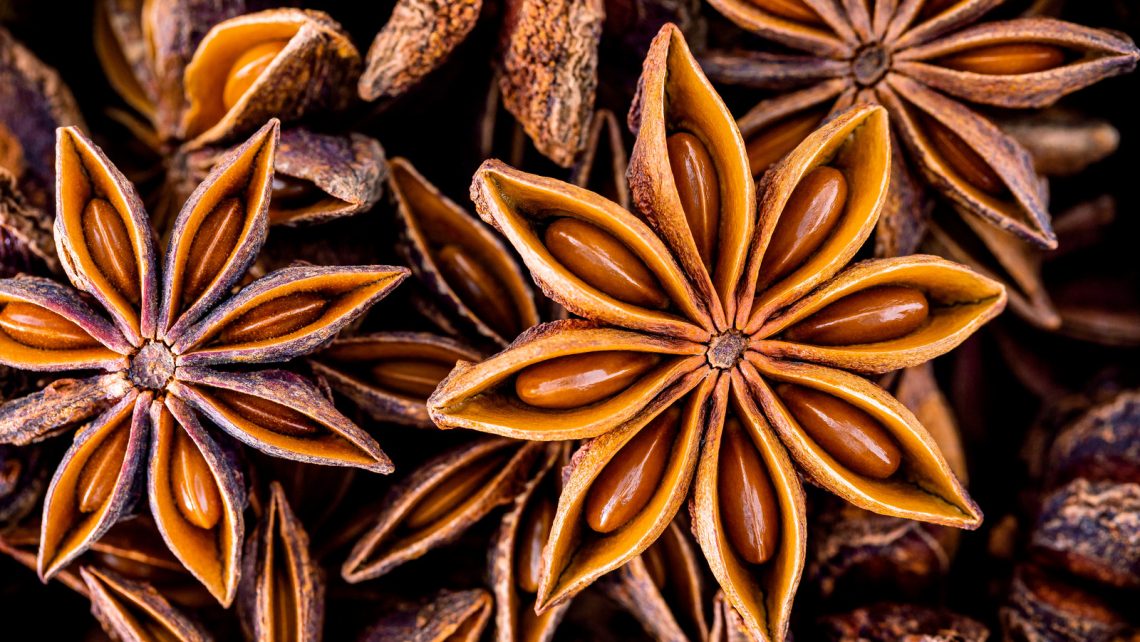
Anise is a plant native to Egypt, belonging to the same family (Apiaceae) as cumin, fennel, and caraway. The Romans consumed anise after large feasts to improve food digestion.
Anise is particularly effective for digestive metabolism. For this reason, it is excellent for ailments related to the digestive tract. It is a natural remedy for nausea, vomiting, diarrhea, abdominal pain, flatulence, and gastritis. Additionally, it acts as a stimulant for appetite. It provides healing for every digestive issue and for the metabolic system. Indians have used anise seeds as a mouth freshener and digestive agent for centuries.
Anise combats the effects of diabetes, significantly alleviating this condition. Studies conducted in 2017 demonstrated that anise helps gradually lower blood sugar levels. In patients who participated in the study, alongside improvement in blood glucose levels, there was also improvement in LDL cholesterol levels.
Anise extract contains important chemical compounds known to be antioxidants, preventing diseases and promoting health. Anise is an excellent source of B vitamins, such as pyridoxine, niacin, riboflavin, and thiamine, as well as vitamins A and C. It also contains iron, copper, potassium, manganese, zinc, and magnesium. 100g of dried anise seeds contains 37mg or 462% of the daily iron requirement, making it a great remedy for treating anemia.
Potassium is an important component of the body, which helps control heart rhythm and blood pressure, while copper is necessary for the production of red blood cells.
Anise preparations are excellent remedies for bronchial asthma, cough, as well as digestive disorders.
Among other components of anise is shikimic acid, which in combination with quercetin has a positive impact on the immune system.
The content of terpineol, eugenol, and linalool has a sedative effect, calming the nerves. However, anise is not only good for relaxation; its seeds also provide an energy boost.
Anise is considered the best gas-relieving agent. If combined with other ingredients such as ginger and cumin, it provides almost instant relief for the stomach.
It aids in the digestion of heavy meals. A mixture of crushed anise, lemon, salt, and water can be prepared. Drinking it after meals offers relaxation and helps the digestive system. It also acts as a laxative and eliminates constipation issues.
Anise is beneficial for controlling blood pressure levels. It keeps the heart strong, reduces pressure, helping it to function better.
It helps reduce sleep disturbances and alleviates insomnia, relaxes the nerves, and enhances mental calmness.
It regulates circulation in the body, prevents and heals infections, menstrual cramps, headaches, and migraines, and treats colds, coughs, and flu.
Due to its anti-inflammatory properties, the plant helps the lungs eliminate bronchial secretions that occur as a result of inflammation of the respiratory pathways.
The antifungal properties of anise are beneficial for treating candidiasis. Candida albicans is a fungus that affects the body when the immune system is weakened, leading to an imbalance in the number of microbes. Candidiasis can be treated with the help of anise. Periodic bile promotes the stopping and multiplication of the fungus, alleviates the symptoms of the disease, and helps balance the normal vaginal flora.
Attention! Anise preparations should not be given to children under 3 years old. They should be consumed with caution by pregnant women, individuals suffering from gastritis, acute colitis, or allergies to this plant. Recommended doses should not be exceeded, as adverse effects may occur: vomiting, nausea, dizziness, headaches.




