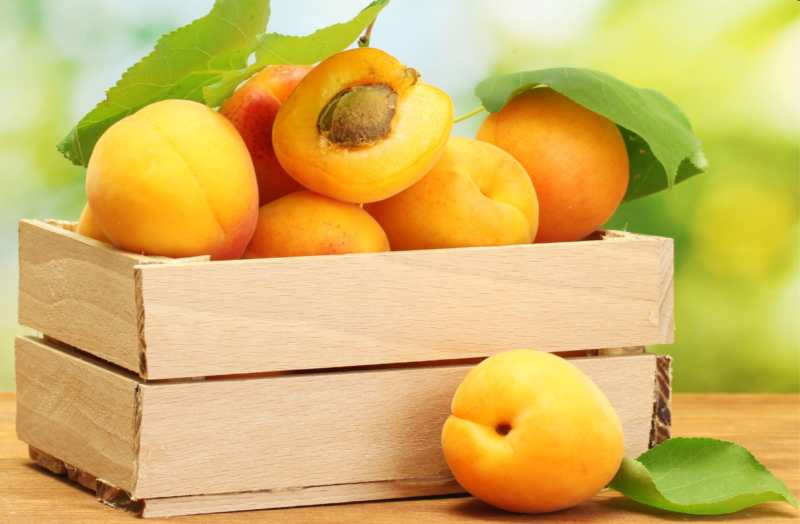
Apricots, with their sweet-tart flavor and subtle aroma, are the summer fruits that hide important nutritional treasures. Rich in antioxidants, vitamins, and fiber, these orange fruits are often recommended for supporting the cardiovascular system, improving digestion, and cellular regeneration. Both fresh apricots and dried ones, as well as oil from the seeds, provide a range of scientifically documented benefits.
Nutritional Table for Fresh Apricots (100 g)
| Component | Quantity | % of Daily Recommended Intake (DRI)* |
|---|---|---|
| Calories | 48 kcal | ~2% |
| Water | 86.4 g | |
| Protein | 1.4 g | ~3% |
| Total Fat | 0.4 g | <1% |
| Saturated Fat | 0.03 g | |
| Carbohydrates | 11 g | ~4% |
| Natural Sugars | 9 g | |
| Dietary Fiber | 2 g | ~8% |
| Vitamin A | 1926 IU | ~38% |
| Vitamin C | 10 mg | ~11% |
| Vitamin E | 0.9 mg | ~6% |
| Vitamin K | 3.3 g | ~4% |
| Potassium | 259 mg | ~7% |
| Calcium | 13 mg | ~1% |
| Magnesium | 10 mg | ~3% |
| Phosphorus | 23 mg | ~3% |
| Iron | 0.4 mg | ~2% |
*Values may vary slightly depending on variety and ripeness. The DRI percentage is estimated for an adult with a diet of 2000 kcal/day.
Benefits of Apricots: How They Affect the Body
1. Protect the Heart and Lower Bad Cholesterol
Apricots are a rich source of potassium, an essential mineral for maintaining blood pressure balance. Studies show that adequate potassium intake helps reduce the risk of cardiovascular diseases. Additionally, the soluble fiber content in apricots aids in lowering LDL (bad cholesterol) levels by preventing its absorption in the intestines.
Study: The Journal of the American College of Cardiology (2017) highlighted the importance of a potassium-rich diet in preventing hypertension.
2. Stimulate Cellular Regeneration Due to Beta-Carotene
The orange pigment in apricots comes from beta-carotene (provitamin A), an antioxidant that protects cells from damage caused by free radicals. Vitamin A is essential for maintaining skin health, tissue repair, and supporting immunity.
Study: Research in Dermatology (2020) demonstrated that beta-carotene significantly reduces the effects of oxidative stress on sun-exposed skin.
3. Improve Digestion and Combat Constipation
Apricots contain insoluble dietary fiber that stimulates intestinal peristalsis and helps maintain regular bowel movements. Additionally, the natural enzymes in the fruit promote protein breakdown, aiding digestion.
Study: The Nutrition & Food Science Journal (2019) confirmed the effectiveness of consuming fiber-rich fruits on colon function.
4. Hydrate the Skin from Within and Prevent Aging
Along with beta-carotene, apricots contain vitamin C, which supports collagen synthesis and maintains skin elasticity. Apricot seed oil is often used in cosmetics for its regenerating and emollient effects.
Study: The International Journal of Molecular Sciences (2021) highlighted the combined effect of beta-carotene and vitamin C in preventing skin aging.
5. Help Protect the Eyes
The vitamin A in apricots is involved in maintaining retinal health. Additionally, lutein and zeaxanthin—two antioxidants present in the fruit—filter blue light and protect the eye from macular degeneration.
Study: Archives of Ophthalmology (2006) showed that increased lutein intake reduces the risk of macular degeneration by up to 43%.
6. Support the Liver and Aid Detoxification
Apricots contain compounds with hepatoprotective effects, including flavonoids and chlorogenic acid, which stimulate the activity of liver detoxification enzymes.
Study: The Journal of Medicinal Food (2015) showed that apricot extract has protective effects against oxidative stress induced by liver toxins in rats.
Contraindications and Precautions
- Apricot seeds contain amygdalin (vitamin B17), which can convert to cyanide in large doses. Excessive consumption is dangerous and contraindicated.
- Apricots may cause allergic reactions in individuals sensitive to fruits from the Rosaceae family (peaches, plums, cherries).
- Dried fruits may contain sulfites for preservation, which can be potentially irritating for asthmatics.
- Individuals with irritable bowel syndrome should consume apricots with caution, as they contain FODMAPs.
- In cases of hyperkalemia, excessive consumption of apricots may worsen potassium levels in the blood.
Sources:
- Journal of the American College of Cardiology Dietary Potassium and Cardiovascular Health
- Research in Dermatology Carotenoids in Skin Protection
- Nutrition & Food Science Journal Dietary Fiber and Colon Health
- International Journal of Molecular Sciences Antioxidants and Skin Aging
- Archives of Ophthalmology Lutein and Zeaxanthin Intake and Risk of Age-Related Macular Degeneration
- Journal of Medicinal Food Apricot Extract and Liver Protection in Toxic Models




