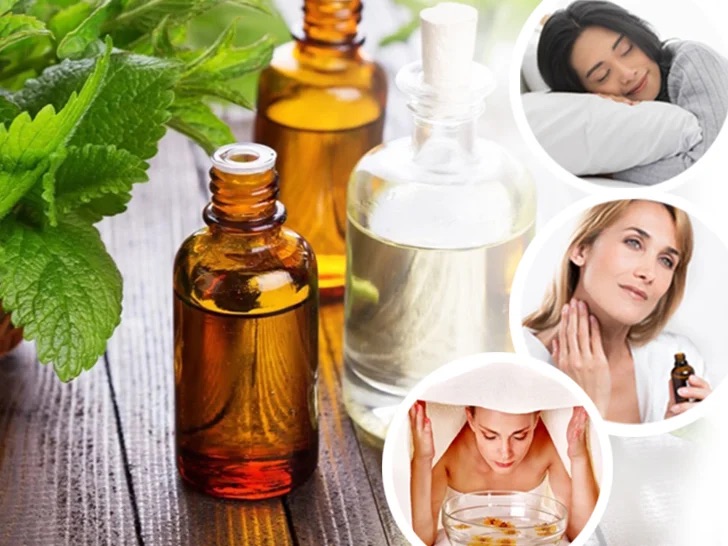
Alternative treatments, such as aromatherapy, are now offered in therapeutic practices, including massage centers, yoga studios, and spas, as well as in chiropractic offices. So, what exactly is aromatherapy?
Essential oils for aromatherapy are made using dozens of different medicinal plants, flowers, herbs, roots, and trees cultivated around the world that have proven powerful effects on improving physical, emotional, and spiritual well-being.
For over 5,000 years, aromatherapy has been a trusted practice among cultures worldwide. Natural medicine relies on aromatherapy for the numerous antibacterial, anti-inflammatory, and analgesic effects of aromatic essential oils.
So, what is aromatherapy used for?
Some of the most common reasons people use it, according to research conducted by the Editorial Board for Integrative, Alternative, and Complementary Therapies PDQ, include:
- pain management
- improving sleep quality
- reducing stress
- overcoming symptoms of depression
- soothing joint pain
Some popular essential oils you may recognize include tea tree oil, lavender, and mint, used in everything from toothpaste to laundry detergent.
What is aromatherapy?
Aromatherapy is a type of alternative medicine practice that uses fragrant/aromatic essential oils derived from a wide variety of healing plants. When inhaled or applied to the skin, therapeutic-grade essential oils (sometimes referred to as volatile oils) have been shown to help people overcome various health issues.
Here are some facts about how essential oils work:
- Plants contain certain beneficial chemicals as a means of protecting themselves, including deterring insects or rodents and defending against bacteria or viruses.
- The active ingredients in oils are extracted directly from high-yield medicinal plants or herbs through a process known as distillation, then mixed with alcohol to preserve their potency. The final result is a highly concentrated oily formulation that can be blended with other substances.
- Because they are very potent, essential oils used in aromatherapy practices are usually combined with a carrier oil, such as almond, jojoba, or coconut oil, before being applied directly to the skin.
Aromatherapy can be performed in several different ways:
- Diffusing a combination of essential oils into the air (or just a single oil)
- Inhaling oils directly from a bottle or diffuser
- Therapeutic massage using oils
- Bathing with a few drops of oil
- Rubbing oils directly onto the skin
For thousands of years, essential oils in aromatherapy have been an important part of personal and medicinal care practices used as perfumes, tonics, cleansers, ointments for wounds, and more. Records show that some of the earliest civilizations to adopt the use of aromatherapy include ancient Chinese, Indians, Egyptians, Greeks, and Romans.
What is aromatherapy used for?
- Chronic stress or anxiety
- Depression
- Insomnia and sleep issues
- Muscle pain
- Joint pain
- Respiratory infections
- Digestive disorders
- PMS or menopausal symptoms
- Skin issues or disorders, including rashes, eczema, cellulite, or acne
- Blood sugar fluctuations
- Cancer
- Fatigue
An increasing number of studies on both humans and animals have shown that aromatherapy oils can have both sedative and stimulating effects, as well as positive effects on the immune system and central nervous system. Recent studies using functional imaging scans have shown that aromatherapy oils have positive effects on the primitive region of the brain known as the limbic system, which helps control both emotional responses and behaviors.
The key to achieving results with aromatherapy is to use pure, therapeutic-grade oils rather than those with synthetic ingredients or fragrances. The effectiveness of aromatherapy practices always depends on the quality of the oils used, as well as the dosage.




