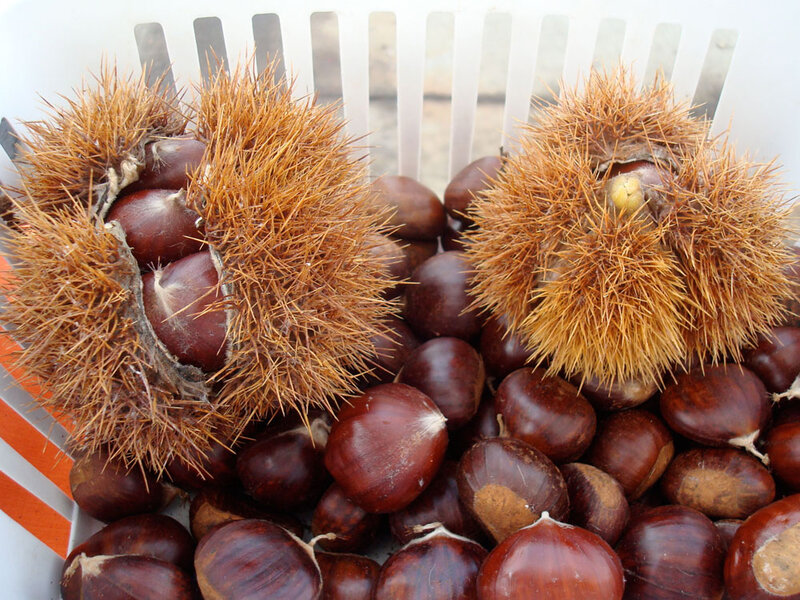
Chestnuts have the ability to improve digestive health, strengthen bones, manage diabetes, protect cardiovascular health, stimulate the immune system, reduce blood pressure, and prevent chronic diseases.
The high concentration of vitamin C and other antioxidant compounds makes chestnuts an ideal booster for the immune system. Vitamin C not only stimulates the production of white blood cells but also acts as an antioxidant, seeking out free radicals in the body and neutralizing them before they can damage healthy cells or induce oxidative stress near vital organs. This helps the immune system focus its efforts on pathogens and disease prevention.
Copper is extremely important in the process by which the body absorbs iron, which is essential for the growth and development of bones. Magnesium is useful for increasing bone mineral density, along with a wide variety of other health benefits. All these vital minerals found in chestnuts prevent or slow the onset of many age-related disorders, such as osteoporosis.
Chestnuts are rich in dietary fiber, making them powerful allies in any gastrointestinal battle. They stimulate peristaltic movements and prevent inflammation and discomfort. Fiber can also contribute to optimizing nutrient absorption.
Chestnuts improve brain function in several ways. First, they are rich in B vitamins (folate, riboflavin, thiamine) that are directly linked to proper neurological development and function. Additionally, the potassium found in them increases blood flow to the brain and promotes good nervous system health, enhancing concentration and memory.
Potassium regulates water circulation within the body and acts as a vasodilator, increasing blood flow and relieving tension in blood vessels and arteries. This reduction in blood pressure can enhance overall cardiovascular health and reduce the risk of heart attacks or strokes.
The human body needs a variety of healthy fats to function normally. These good fats are found in high amounts in chestnuts. They help balance cholesterol, reduce inflammation, and lower the risk of atherosclerosis and blood clot formation in the body. This significantly reduces the risk of stroke, heart attack, and heart disease.
Caution! Some people suffer from allergies to certain food categories, so be cautious when adding a new food to your diet.




