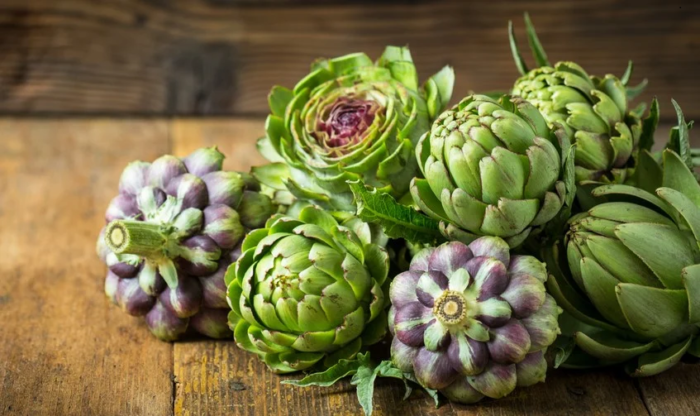
The artichoke, a valuable Mediterranean plant, offers multiple health benefits. Despite its many advantages, caution should be exercised regarding its contraindications. It is important to know how to prepare it correctly to maximize its properties.
The artichoke (Cynara scolymus) is a perennial plant from the Mediterranean region, appreciated for centuries for its culinary and medicinal properties.
Although the edible part of the artichoke may seem, at first glance, like a vegetable, it is actually the unbloomed flower bud of the plant. Cultivated widely in countries such as Italy, France, and Spain, the artichoke has gained fame due to its subtle flavor, velvety texture, and potential health benefits.
What is Artichoke
The artichoke belongs to the Asteraceae family, alongside plants such as lettuce, chicory, and sunflower. There are over 140 varieties of artichoke, but only a portion of these are cultivated on a commercial scale for consumption. The flower bud, which remains green or purplish, hides in the center the heart of the artichoke, the most tender and delicious part of the plant.
If the bud is not harvested in time, it transforms into a spectacular flower, violet-blue in color, which can reach impressive sizes. However, for culinary use, the buds are harvested before they bloom, when the outer leaves are still tender.
Artichoke: Benefits and Properties
The artichoke enjoys an excellent reputation among nutritionists and herbalists, often being used in diets aimed at supporting the proper functioning of the liver and digestive system. Some of the most well-known benefits include:
Liver Health
The artichoke contains cynarin and silimarin, compounds that can help protect the liver while also stimulating the regeneration of liver cells. These substances support detoxification and reduce the risk of liver diseases.
Cholesterol Reduction
Studies mentioned in the literature indicate that artichoke leaf supplements can contribute to lowering bad cholesterol (LDL) and increasing good cholesterol (HDL). A balanced lifestyle, complemented by a healthy diet, enhances these beneficial effects.
Improved Digestion
Due to its high fiber content, the artichoke can prevent constipation and contribute to a healthy gut flora. The fibers help regulate transit and maintain the bacterial balance in the colon.
Antioxidant Properties
The artichoke is rich in antioxidants (such as flavonoids), which fight against free radicals, reducing the risk of inflammation and chronic diseases. Studies conducted on this topic show that regularly including artichoke in the diet can support cellular health.
Blood Sugar Control
Some research suggests that artichoke may help stabilize blood sugar levels, making it a good choice in diets for diabetics or prediabetics, within the limits recommended by a doctor.
Artichoke: Contraindications and Precautions
Although the artichoke offers numerous benefits, there are situations where its consumption should be approached with caution:
Allergies
Individuals sensitive to plants from the Asteraceae family (such as ragweed, chrysanthemums, or marigolds) may experience allergic reactions to artichoke. It is recommended to test a small quantity before regular consumption.
Biliary Issues
The artichoke stimulates bile production, which is beneficial for digestion. However, in individuals with biliary obstructions or gallstones, excessive consumption may worsen symptoms. In such cases, consulting a doctor is important.
Pregnancy and Breastfeeding
Pregnant women and those who are breastfeeding should discuss with a specialist before including artichoke in their diet or taking artichoke-based supplements to avoid possible risks.
How to Prepare Artichoke for Cooking
Preparing artichoke requires some attention to cleaning, especially if using whole buds:
The outer leaves are often tough and unpleasant to taste, so they should be broken or trimmed.
About an inch from the top, where the leaves are sharper, should be removed.
The outer part of the stem has tough fibers, which can be removed with a sharp knife or a peeler.
Inside, around the heart, you will find a fresh area, popularly known as the choke. This is scooped out with a spoon, avoiding the edible layers underneath.
To prevent oxidation, cleaned artichokes can be placed in a bowl of cold water with lemon juice.
How to Cook Artichoke
After preparation, artichoke can be cooked in several ways:
Boiling or steaming: Place in water with salt and lemon juice until tender. Cooking time varies between 20 and 40 minutes, depending on the size of the buds.
Baking: Artichokes can be stuffed with mixtures of breadcrumbs, garlic, herbs, and olive oil. Bake until golden brown, resulting in a tasty and savory dish.
Sautéing: Artichoke hearts can be cut into smaller pieces and sautéed in olive oil, along with garlic, herbs, and other preferred vegetables.
How to Consume Artichoke
The versatility of artichoke makes it an excellent culinary option for both hot and cold dishes. Here are some popular ways to enjoy it:
Raw: Artichoke hearts can be thinly sliced and added to salads. Their slightly sweet and delicate flavor adds a distinct note.
Marinated: Artichoke marinated in olive oil and vinegar, with added herbs, makes for a refreshing appetizer. It can be served on mixed platters alongside cheeses, olives, and fine cold cuts.
On pizza: Artichoke hearts used as a topping give the dish a special flavor, especially when combined with tomatoes, olives, and cheeses.
In pasta: Sautéed or baked artichoke integrates perfectly into pasta sauces, providing a unique flavor and an extra boost of nutrients.
In risotto: Added to risotto, artichoke enriches the texture and flavor, transforming the dish into a delicacy.
What Does Artichoke Taste Like
Many describe the taste of artichoke as a blend of delicate sweetness and slightly herbal notes, with a faint nutty hint. The texture is velvety, especially at the heart, and becomes crunchy only if undercooked.
In Mediterranean cuisine, artichoke is considered a refined food that can be combined with white wine, fish, poultry, or even cheese-based dishes.




