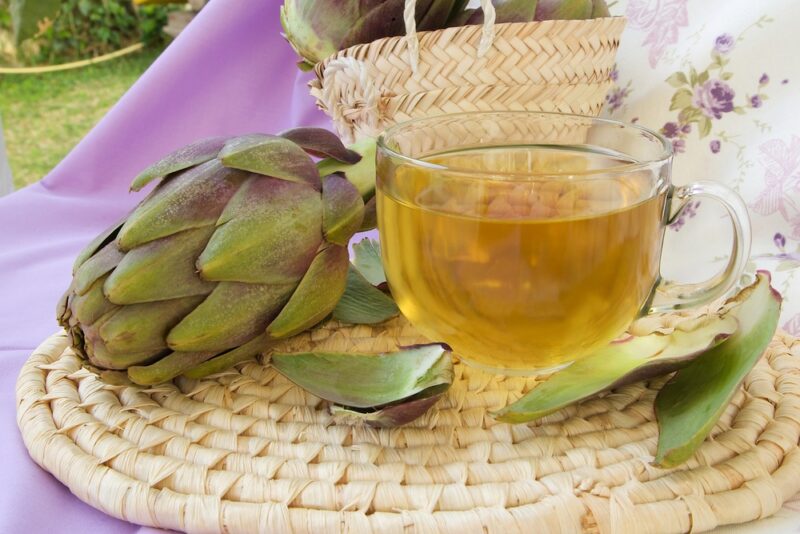
Artichoke tea is one of the most effective infusions for supporting liver, gallbladder, and digestive system functions. The plant, scientifically known as Cynara scolymus, contains bitter compounds such as cynarin, which stimulates bile secretion and contributes to detoxifying the body. Additionally, artichoke leaves have been used in European medicine for centuries for liver and digestive ailments. However, like any natural remedy, it must be used responsibly. The tea is not suitable in every situation and can have significant adverse reactions in certain conditions or medication combinations.
How to Properly Prepare Artichoke Tea
Ingredients:
- 1 tablespoon of dried artichoke leaves
- 250 ml boiling water
Preparation Method:
- Place the leaves in a cup and pour boiling water over them.
- Cover the cup with a lid and let it steep for 10-15 minutes.
- Strain the liquid and consume the tea warm, ideally before main meals.
- You can drink 1-2 cups a day for a maximum of 14 consecutive days.
- If a longer detox is desired, a 7-day break is recommended, along with consulting a doctor or herbalist.
When is Artichoke Tea Contraindicated?
1. Biliary Obstruction or Active Gallstones
Artichoke tea stimulates bile secretion, which is beneficial in cases of slow digestion but dangerous in the presence of large stones. In the case of biliary obstruction, this bitter stimulant can cause intense colic or hepatobiliary complications. Some individuals may require medical attention after consuming cholagogue plants under these conditions. For this reason, individuals diagnosed with gallstones should avoid the tea or seek medical advice before use. Imaging tests such as ultrasounds can help assess risks before starting an artichoke detox.
2. Allergy to Plants in the Asteraceae Family
Artichoke belongs to the Asteraceae family, which includes ragweed, daisies, and yarrow. Individuals allergic to these plants may have adverse reactions to artichoke as well, including skin reactions, nasal congestion, or respiratory difficulties. In rare cases, severe allergic reactions such as anaphylaxis can occur. If you have previously experienced allergic reactions to plants in this family, it is advisable to avoid artichoke tea. Allergy testing can be a preventive measure for individuals prone to such reactions.
3. Gastric Ulcer or Severe Gastritis
Although the plant aids digestion by stimulating gastric and bile juices, this effect can be harmful in cases of gastric ulcers or hyperacid gastritis. Artichoke tea contains bitter compounds that can irritate inflamed gastric mucosa. Some individuals may experience burning, nausea, or stomach pain after consumption. If you have a history of ulcers or gastritis, discuss with your doctor before introducing this tea into your routine. In such cases, milder herbs like marshmallow or calendula are recommended.
4. Hypotension
Some studies suggest that artichoke extract has a mild hypotensive effect, which can be beneficial for individuals with high blood pressure. However, for those with hypotension, this effect may exacerbate feelings of dizziness, weakness, or fatigue. Regular consumption of the tea may lower blood pressure below normal levels. Individuals undergoing treatment with antihypertensive medications should avoid this combination. It is advisable to measure blood pressure before and after consumption, especially in the first few days of the detox.
5. Pregnancy and Breastfeeding
There are not enough studies to confirm the safety of consuming artichoke tea during pregnancy or breastfeeding. As a precaution, most specialists recommend avoiding it during these sensitive periods. Certain active substances may influence hormonal secretion or may reach breast milk, affecting the child. Additionally, the bitter taste may alter the pregnant woman’s appetite or digestive tolerance, especially in the first trimester. If consumption is desired, it is essential to obtain approval from a gynecologist or pediatrician.
6. Children Under 12 Years
Children’s bodies metabolize plant substances differently, and artichoke, being a bitter and active digestive plant, is not recommended for young ages. There are not enough studies to confirm safety and optimal dosage for children. Additionally, the intense bitter taste is hard to accept and may cause nausea or food refusal. If digestive disturbances or allergies occur, reactions may be more pronounced in children than in adults. Milder and age-appropriate alternatives, such as chamomile or fennel, are preferred.
7. Drug Interactions
Artichoke may interact with hepatotoxic medications, anticoagulants, diuretics, and blood pressure medications. The combined effect may increase the risk of adverse reactions, such as excessive lowering of blood pressure or liver overload. It also stimulates the activity of liver enzymes, which may reduce the effectiveness of some medications metabolized by the liver. Individuals on chronic treatment should seek medical advice before consuming artichoke tea. Phytotherapy should always be adapted to the patient’s therapeutic scheme.
Sources:
- WebMD Artichoke: Uses, Side Effects, Interactions
- Healthline Artichoke Tea: Benefits and How to Make It
- National Center for Complementary and Integrative Health Herbs at a Glance: Artichoke
- MedicalNewsToday Artichoke extract: Benefits, uses, and risks




