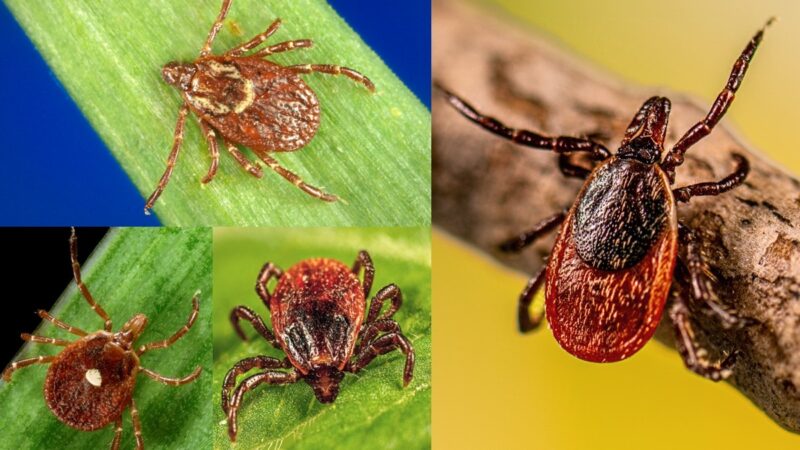
As the weather gets warmer, less visible but dangerous risks appear. In grass, parks, or near forests, ticks can become a real problem, especially if you are not attentive to a few important signs.
Tudor Ciuhodaru has raised awareness regarding ticks
Ticks are very small insects that easily attach to the skin, especially when you are in areas with dense vegetation. Their bite may seem trivial, but in some cases, it can lead to serious infections, such as Lyme disease, which Adda has battled.
Therefore, doctor Tudor Ciuhodaru has drawn attention and emphasized that no unusual symptom should be ignored during this period, especially after contact with high-risk areas.
We are facing infections that no longer have a classic profile. A patient may arrive at the dermatologist with a trivial lesion and, in a few days, end up in intensive care. Without treatment, the infection can progress to facial paralysis, cardiac disturbances, and chronic joint conditions.
Always examine children upon returning from play areas! The appearance of any symptom after a tick bite requires rapid medical evaluation.
One of the signs that may appear after a tick bite is a rash on the skin, known as erythema migrans. Usually, it forms a red circle with a more intensely colored center, resembling a target. This manifestation appears a few days later and may indicate the presence of Lyme disease.
How to protect yourself
Ticks are more active on warm days, so it is recommended to choose clothing that protects us: long pants that are tucked into socks and long-sleeved shirts, so that the skin is as little exposed as possible.
Additionally, wearing light-colored clothing makes it easier to spot ticks, and footwear should ideally be completely closed, without gaps or openings.
On the other hand, Tudor Ciuhodaru revealed when it is necessary to seek medical help. The tick must be removed as urgently as possible. The extraction should preferably be done by specialized personnel. Do not squeeze the tick that has bitten you between your fingers to avoid pumping its intestinal contents with bacteria into your bloodstream.
If you have tried to remove the tick with tweezers and its head has broken off and remained in the skin, seeing a doctor and surgical extraction is urgent to prevent infection and complications. Preventing borreliosis involves the rapid removal of the tick and the administration of antibiotics.
Medication is often administered at home for a period of up to 10-14 days. Consult a doctor immediately, especially if there are changes at the bite site or if symptoms of the so-called “flu-like illness” appear, accompanied by muscle pain, sweating, or nasal congestion.




