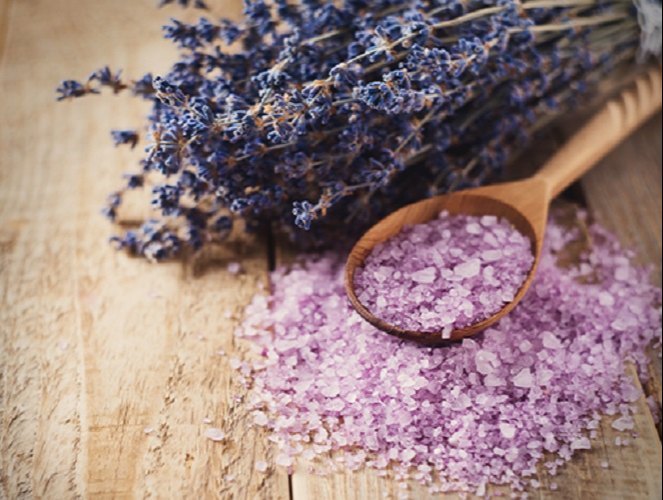
If you have ever experienced a soothing bath with Epsom salt, you already know how beneficial it is for sore muscles and other health issues.
Epsom salt is quite different from regular table salt and is named after the area in England where it is found. This substance is known as a salt due to its particular chemical composition, but when dissolved in water, it separates into two powerful compounds: sulfate and magnesium.
These minerals enter the skin during the bath, providing impressive health benefits. Although there is a limited number of studies regarding the direct link between these baths and health conditions, evidence shows the effectiveness of this salt in treating painful muscles and joints.
You only need 1-2 cups of bath salt, depending on how full you fill the tub. Remember that it is better to use warm water, not hot, as it can damage the skin. Dissolve the salt before entering the tub. Stay in the water for 15 minutes, trying to keep your body as relaxed as possible. Most people who use bath salt for acute or chronic ailments repeat this process 2-3 times a week.
Reduces Inflammatory Conditions
If you suffer from skin conditions such as psoriasis, eczema, acne, or rosacea, the properties of an Epsom salt bath may be just what you need. It can stimulate circulation in these areas to improve the healing rate while enhancing skin health and helping to remove dead cells.
Acts as a Pain Relief Aid
If you are looking for pain relief, the analgesic properties of a salt bath are well known. Even a single salt bath can help alleviate pain due to its soothing nature.
Arthritis Treatment
Many people suffering from arthritis report the benefits of bath salt. The salts and the warmth of the water not only help relieve muscle tension and inflammation in the joints of the hands, hips, and feet, but they also eliminate pain in these areas.
Relieves Stress
If you feel nervous or anxious, evidence highlights salt baths as a quick remedy. They help balance electrolyte levels and promote proper nerve function at hormonal levels and neurotransmitter movements, which are essential for well-being.
Improves Sleep Quality
For those who suffer from insomnia or regularly interrupted sleep, a bath with Epsom salt an hour before bedtime can be a quick and simple solution. The calming nature of magnesium, a mineral present in the body’s cells, plays an important role in neurotransmitter function. When you have excess magnesium, the body can convert more serotonin from tryptophan, which can aid sleep and regulate the circadian rhythm.
Detoxifies the Body
Some studies have found that salt baths can accelerate the body’s detoxification ability, primarily due to the impact these baths can have on electrolyte levels. When the body can process fluids more efficiently, it can store fewer toxins and eliminate them more quickly, which can reduce inflammation and help the immune system. Additionally, toxins are drawn directly from the skin as a result of reverse osmosis during an Epsom salt bath, according to numerous reports.
Healthy Nervous System
Given how Epsom salt baths can help regulate electrolytes, it means that nerve function is improved. The nervous system relies on the electrical fluid in the body to transmit messages and signals effectively, which can aid muscle function and even cognitive activity.
Treats Sunburns
The soothing and anti-inflammatory effects of a salt bath can be extremely effective for someone suffering from sunburn. This bath will drive blood circulation to the burn site and accelerate the healing process, reducing pain.
Reduces Inflammation
Swollen feet are an uncomfortable and potentially painful condition for many people, especially pregnant women and those who tend to stand for long periods. In these conditions, soak your feet in a smaller container, and the salts will help reduce swelling and ease pain. If you have consistently swollen feet, consider changing your shoes.
Heals Insect Bites
If you have mosquito, bee, spider, tick bites, or any other insect bites, after disinfecting, a salt bath can be the next step for pain relief and stimulating the healing process. It will reduce itching and swelling of the bite.
Attention! Too long or too frequent Epsom salt baths can cause adverse reactions, such as diarrhea or dehydration.
Diarrhea: extensive exposure to magnesium sulfate can have a laxative effect on the body and, depending on the amount absorbed, can cause diarrhea in some cases. Again, limiting the bath to less than 20 minutes has no unpleasant side effects.
Dehydration: long or frequent baths can cause slight dehydration; it is recommended to limit these baths to 2-3 times a week.




