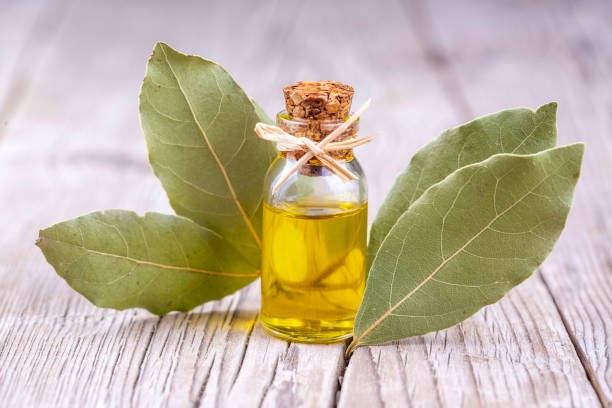
Bay leaf oil is a valuable natural remedy, used for centuries in traditional medicine for its anti-inflammatory, soothing, and tonic effects on the muscular and joint systems. Obtained from the leaves of the Laurus nobilis plant, this oil has scientifically proven therapeutic properties, being an effective ally in alleviating pain caused by rheumatism, osteoarthritis, sprains, or muscle fever.
Benefits of Bay Leaf Oil for Joints and Muscles
1. Alleviates Chronic Joint Pain
Bay leaf oil acts as a natural anti-inflammatory due to its content of eugenol and cineole, active compounds that reduce inflammation in the joints. When applied locally, it penetrates deeply and soothes pain caused by arthritis, osteoarthritis, and other rheumatic conditions.
The mechanism of action involves relaxing the muscles around the joints and improving local blood circulation, which accelerates the healing of affected tissues. Studies show that the effect is comparable to that of mild anti-inflammatories, without the risks associated with synthetic medications.
Bay leaf oil is ideal for individuals experiencing morning stiffness, as it reduces discomfort and improves mobility.
Massage with bay leaf oil can also be used during acute pain phases, provided there is no visible inflammation or local fever.
When used consistently, it helps prevent recurrences and supports joint health in the long term.
2. Relaxes Tensed Muscles and Reduces Cramps
Bay leaves contain volatile oils with antispasmodic effects, which help calm muscle tension after physical exertion or periods of stress. The oil prepared from these leaves is an excellent aid for those suffering from back, neck, or shoulder pain.
Through massage, the oil promotes muscle relaxation and reduces spasms by inhibiting the transmission of painful nerve impulses. The effect is enhanced by the pleasant warmth it leaves on the skin, contributing to the relaxation of affected areas.
Athletes use it after intense workouts to prevent muscle fever and contractions.
It is also useful for nighttime cramps, especially when combined with adequate magnesium intake and hydration.
Applying it before bedtime promotes a more restful sleep, especially for individuals with persistent pain.
3. Stimulates Peripheral Circulation and Accelerates Recovery
Massage with bay leaf oil improves blood flow in the treated areas, providing an increased supply of oxygen and nutrients to the tissues. This effect is essential for recovery after sprains, bruises, or other minor traumas.
Accelerated circulation helps eliminate toxins and lactic acid accumulated in the muscles, reducing inflammation and stiffness.
In addition to the direct benefits on muscles and joints, this effect also promotes overall oxygenation of the body, contributing to a sense of well-being.
Daily application can reduce the sensation of cold hands or feet, and it is also indicated in cases of poor peripheral circulation.
It is effective when combined with other oils (rosemary, ginger, chili pepper) for a deeper and synergistic action.
Reference Study on the Anti-Inflammatory Effects of Bay Leaves
A study published in the Journal of Ethnopharmacology (2019) evaluated the effects of Laurus nobilis extract on inflammation and muscle pain. Researchers found that bay leaf extract significantly reduced swelling and pain sensitivity.
The research team identified active compounds such as eugenol, linalool, and lauric acid known for their anti-inflammatory and analgesic effects. These inhibit the release of prostaglandins, the molecules responsible for local inflammation and pain.
The study demonstrated that topical administration (on the skin) has a rapid and sustained effect, without notable adverse effects. Bay leaf oil proved to be more effective in pain reduction than other plant extracts tested in parallel.
The authors concluded that this essential oil can be safely used in topical applications for rheumatic and muscular conditions, providing a natural alternative to conventional analgesics.
The research supports the traditional use of bay leaves in external treatments for pain and inflammation.
Recipe: How to Prepare Bay Leaf Oil at Home
Ingredients:
- 30 g dried and crushed bay leaves
- 250 ml cold-pressed olive oil (or sesame oil for deeper effects)
Preparation Method:
- Place the crushed bay leaves in a clean glass jar with a lid.
- Pour the olive oil over them until they are completely covered.
- Seal the jar and let it macerate for 10 days in a warm, dark place.
- Gently shake the jar daily.
- After 10 days, strain the oil using a cheesecloth and store it in a dark-colored bottle in a cool place.
Usage Method
- For joint or rheumatic pain: apply 1 tablespoon of slightly warmed oil (in palms) to the painful area and massage for 5-10 minutes, twice a day.
- For muscle pain: apply through massage after physical exertion or in case of muscle contractions.
- For nighttime cramps: apply in the evening, before bedtime, with gentle circular motions.
It can be combined with a few drops of essential oils of mint or lavender for a more synergistic and relaxing effect.
Contraindications and Precautions
- Do not apply to skin with open wounds or severe irritations.
- Not to be used by children under 6 years old and pregnant women.
- May cause local allergic reactions in rare cases; a patch test is recommended on a small area first.
- Avoid sun exposure immediately after application to prevent photosensitization.
Sources:
- ScienceDirect – Essential oil of Laurus nobilis as a topical anti-inflammatory and analgesic agent
- PubMed – Traditional and modern uses of bay laurel in rheumatic diseases




