Berberine originates from China and India, where it has been used for the first time thousands of years ago in traditional Chinese medicine and Ayurvedic medicine.
What is berberine used for today? Studies have demonstrated that it has many pharmacological effects, including antimicrobial, antitumor, anti-inflammatory, and blood sugar-lowering properties.
Extracts and supplements made from this compound, such as berberine HCL, are generally inexpensive, safe, and well-known for their broad antibacterial activities. They may even be capable of helping to treat conditions naturally without the use of antibiotics.
What is berberine?
Berberine (also known as berberine hydrochloride) is a natural isoquinoline alkaloid found in a wide variety of herbs.
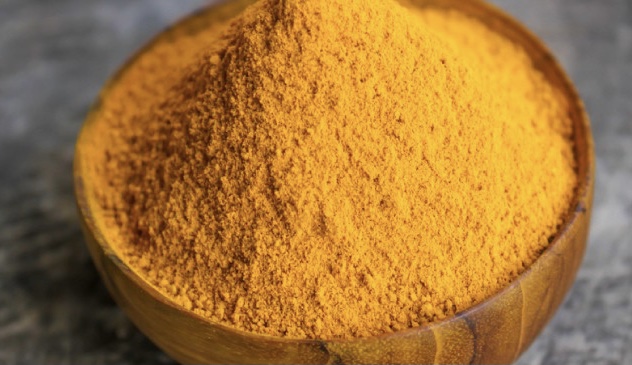
The berberine alkaloid can be found in the stems, bark, roots, and rhizomes (underground stem-like structures) of plants. It has a bright yellow color so intense that it has been used as a natural dye.
It is the main active component of two plants that are popular in herbal medicine: Coptidis Rhizoma and Phellodendri Chinensis Cortex.
In Traditional Chinese Medicine, these plants have been used for centuries to naturally treat diabetes. This compound has a long history of use for managing bacterial gastroenteritis, diarrhea, and other digestive diseases.
Alkaloids are defined as a class of organic compounds of plant origin that mainly contain basic nitrogen atoms. Their consumption has pronounced physiological actions on humans, especially regarding cardiovascular and metabolic health.
An increasing number of studies have found evidence that the benefits of berberine include protection against the following conditions:
- Metabolic syndrome
- Diabetes
- Gastrointestinal infections
- Heart disease
- High cholesterol
- High blood pressure
- Joint problems
- Low bone density
- Weight control
- Depression and cognitive decline
- Formation of cancer cells
Its molecular formula is C20H18NO4 and, like other protoberberine alkaloids, such as jatrorrhizine, it can work wonders for health.
Health Benefits
1. Diabetes
In one study, it was found that berberine helps lower blood sugar levels. This can help prevent and treat type II diabetes and its complications, including diabetic cardiovascular diseases and diabetic neuropathy.
It has also been shown to have positive effects on metabolism, inflammatory factors, and insulin resistance in patients with metabolic syndrome.
One of the most impressive studies compared the administration of 500 milligrams of the compound two to three times a day for three months with the administration of the common diabetes medication metformin. Berberine was able to control blood sugar and lipid metabolism as effectively as metformin, with researchers describing it as a powerful oral hypoglycemic agent.
Due to its effects on insulin sensitivity, this compound may also help prevent kidney damage, according to some studies.
2. May Help Lower Cholesterol and High Blood Pressure
There is evidence that berberine can help lower elevated levels of LDL, total cholesterol, and high blood pressure.
One study showed that berberine reduced serum cholesterol along with triglyceride levels in patients with type 2 diabetes. It appears to work by inhibiting PCSK9, which, as shown by research from Harvard Medical School, helps lower cholesterol.
A separate study found that the combined administration of red yeast rice, known for its ability to naturally lower cholesterol, and berberine may provide a broader range of protection against cholesterol with a lower risk of serious side effects compared to prescription statin therapy.
In animal studies, it has been shown that berberine lowers abnormally high concentrations of fats and lipids in the blood by promoting the excretion of cholesterol from the liver and inhibiting intestinal absorption of cholesterol.
Since it can lower blood sugar, it may improve LDL cholesterol and triglyceride levels, reduce testosterone levels, and lower the waist-to-hip ratio, providing benefits for women with polycystic ovary syndrome.
It may also improve blood pressure and circulation among individuals with metabolic syndrome when consumed with a healthy diet rich in antioxidants.
3. Supports Weight Loss
Berberine is one of the few compounds capable of activating AMPK (AMP-activated protein kinase). AMPK is an enzyme within human body cells, often referred to as the master metabolic switch, as it plays a crucial role in regulating metabolism.
Activating AMPK stimulates fat burning in mitochondria, which is why studies have shown that berberine can help stop fat accumulation in the human body and protect against metabolic syndrome.
In a study published in Phytomedicine, obese adults were given 500 milligrams of berberine orally three times a day for a total of 12 weeks. The efficacy and safety of the treatment were determined by measurements of body weight, a metabolic panel including lipid and hormone levels in the blood, levels of inflammatory factor expression, complete blood count, and electrocardiogram.
Overall, this study showed that berberine is a powerful lipid-lowering compound, with a moderate weight loss effect.
4. Protection Against Cognitive Decline
Studies have evaluated the therapeutic potential of berberine against neurodegenerative diseases such as Alzheimer’s disease, Parkinson’s disease, and trauma-induced neurodegeneration. While more research is needed, one study showed that there are multiple positive effects of berberine, some of which improve neuroprotective factors, while others counteract neurodegeneration.
Animal studies have also shown that it can help combat depression. There is evidence that berberine possesses protective activities for the central nervous system, particularly the ability to inhibit monoamine oxidase-A, an enzyme involved in the degradation of norepinephrine and serotonin, which has mood-lifting effects.
5. Supports Heart Health
Part of the positive effect of berberine on heart health comes from the compound’s ability to help keep blood sugar levels and obesity under control, both of which are potential risk factors for coronary artery disease.
It also stimulates the release of nitric oxide, a signaling molecule that relaxes arteries, increases blood flow, lowers blood pressure, and protects against arteriosclerosis.
In research published in the World Journal of Cardiology, individuals who took berberine had better heart function and were more capable of physical activity than those who took a placebo.
6. May Improve Lung Health
Research suggests that berberine benefits lung function due to its anti-inflammatory effects. It has even been shown that this alkaloid reduces the effect of acute lung inflammation induced by cigarette smoke.
In a study published in the journal Inflammation, rats were exposed to cigarette smoke to induce acute lung injury and then received 50 mg/kg of berberine intragastrically. Upon examination of lung tissues, it was found that cigarette smoke caused inflammation of the lung alveoli along with cellular edema or abnormal fluid retention.
However, treatment with berberine significantly reduced lung inflammation and ameliorated acute lung injury induced by cigarette smoke through its anti-inflammatory activity.
7. May Protect the Liver
Is berberine good for the liver? While more research is needed to confirm that it can protect against liver diseases, current studies suggest that berberine supports the liver by lowering blood sugar, insulin resistance, and triglycerides, all of which are markers of liver damage in individuals with diabetes and hepatitis.
9. Has Anti-Cancer Effects
There is growing research regarding the regulation of cancer cell metabolism by berberine hydrochloride. This is because berberine may help induce the death of cancer cells.
Its anticancer activity, which specifically inhibits the growth and proliferation of cancer cells, makes it a natural component of nanoparticle delivery systems used for berberine cancer therapy. For example, berberine has induced apoptosis in tongue cancer cells in studies conducted at China Medical University.
Risks, Side Effects, and Interactions
If you have a condition or are taking medications, including antibiotics, it is recommended to discuss with your doctor before taking it.
This is especially important if you are currently taking medications that lower blood sugar!
Since it can lower blood sugar, diabetics who control their blood sugar with insulin or other medications should be cautious when using this supplement to avoid dangerously low blood sugar levels. Individuals with low blood pressure should also be careful when using it, as it can naturally lower blood pressure.
Pregnant and breastfeeding women should not take berberine.
Is berberine safe to take long-term? It is best to discuss with a doctor if you intend to take it for more than 12 weeks.
Again, by following the recommended doses distributed throughout the day and after meals, these possible negative side effects of berberine can be avoided.




