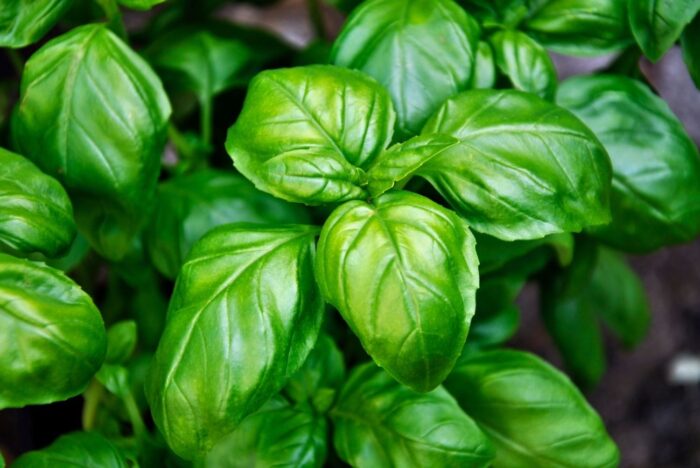
Basil (Ocimum basilicum), known for its intense aroma and antioxidant properties, is often used in food and natural remedies to reduce inflammation, improve digestion, and calm the nervous system. However, frequent consumption of basil or basil-based supplements can interfere with certain medications, especially those prescribed for heart conditions.
This article draws attention to the risks of an apparently harmless combination that can lead to adverse reactions: basil + heart medications.
What effects does basil have on the cardiovascular system
1. It may lower blood pressure
Basil contains eugenol, a substance that helps relax blood vessels. Thus, it may contribute to lowering blood pressure.
This action can be beneficial for individuals with mild hypertension.
However, in combination with antihypertensive medications (e.g., beta-blockers, ACE inhibitors), basil may enhance their effects.
In some cases, this can lead to hypotension (too low blood pressure), accompanied by dizziness, fatigue, headaches, or even fainting.
A sudden drop in blood pressure is dangerous, especially for the elderly or patients with coronary diseases.
Therefore, doctors recommend caution when combining basil with heart treatments.
Possible interactions with heart medications
2. It may interfere with anticoagulants and antiplatelet drugs
Basil has mild anticoagulant properties due to its vitamin K content and other active compounds.
This can be dangerous for individuals taking anticoagulants such as warfarin, acenocoumarol, or antiplatelet drugs like aspirin or clopidogrel.
The combination may increase the risk of bleeding, especially in the case of minor injuries or surgical interventions.
Bruising, nasal bleeding, or digestive bleeding may occur.
Individuals on anticoagulant treatment should avoid excessive consumption of fresh basil or basil tea/concentrate.
Even a seemingly small amount can disrupt blood coagulation.
What studies say
3. Study published in Journal of Clinical Pharmacology (2021)
Researchers analyzed the effects of basil extract on patients with mild hypertension.
The results showed a significant decrease in systolic blood pressure after 7 days of administration.
In patients who were also taking enzyme inhibitors (e.g., enalapril), the hypotensive effect was doubled.
This led to the appearance of hypotension symptoms in 18% of participants.
The authors concluded that the interaction of basil with cardiovascular medications can be significant.
Medical supervision is recommended in the case of concurrent use.
4. Study in Phytotherapy Research (2022) eugenol and its effects on coagulation
Researchers observed that eugenol inhibits platelet aggregation, which decreases blood coagulation.
In some cases where anticoagulants were administered along with basil extract, bleeding was more abundant.
The study suggests caution in combining the two, even at low doses.
Even basil infusion has a cumulative effect when consumed daily.
Researchers warned that this combination can be dangerous for patients at risk of hemorrhagic stroke.
Contraindications
Basil, although natural, should be avoided or consumed with caution by:
- Individuals undergoing treatment for hypertension (it may excessively lower blood pressure);
- Individuals taking anticoagulants or antiplatelet drugs (increases the risk of bleeding);
- Patients with arrhythmias or heart failure receiving complex treatments;
- Pregnant women in the third trimester (the vasodilatory effect may influence blood pressure);
- Individuals with liver conditions as the active compounds in basil may require increased hepatic metabolism;
- Children and elderly individuals on cardiovascular treatments.
Medical recommendations
- If you are undergoing heart treatment, consult your doctor before regularly consuming basil.
- Avoid supplements or concentrated basil oils alongside cardiovascular medications.
- If you wish to occasionally consume basil leaves in salads or dishes, keep the quantities low and stable.
- Monitor blood pressure and signs of bleeding if combining basil with the mentioned treatments.
- Do not combine basil tea with tinctures of plants with similar effects.
Sources:
- Journal of Clinical Pharmacology Effect of Ocimum basilicum Extract on Blood Pressure in Patients with Mild Hypertension
- Phytotherapy Research Eugenol from Basil Reduces Platelet Aggregation: Risk in Coagulation Disorders




