A remedy used since ancient times for this purpose is horsetail tea, a traditional herbal remedy known for its numerous health benefits.
Horsetail is a popular fern that has been used as a medicinal plant since the time of the Greek and Roman empires. It is believed to have numerous medicinal properties and has traditionally been used to treat wounds, improve skin, hair, and bone health, and as a remedy for various other health issues.
Remedy Used Since Antiquity
Common horsetail (Equisetum arvense) is a perennial fern belonging to the Equisetaceae family.
It grows wild in northern Europe and in North and Central America, as well as in other moist and temperate areas. It has a long, green, densely branched stem that grows from spring to autumn.
The plant contains numerous beneficial compounds that provide various health benefits. Among these, antioxidants and silicon stand out.
Antioxidants are molecules that protect the body from the effects of free radicals, which can cause cell damage. Silicon is a compound made of silicon and oxygen and is believed to be responsible for the potential benefits of horsetail for skin, nails, hair, and bones.
Horsetail is most commonly consumed in the form of tea, which is prepared by steeping the dried plant in hot water. It is also available in capsule and tincture forms.
Supports Bone Health
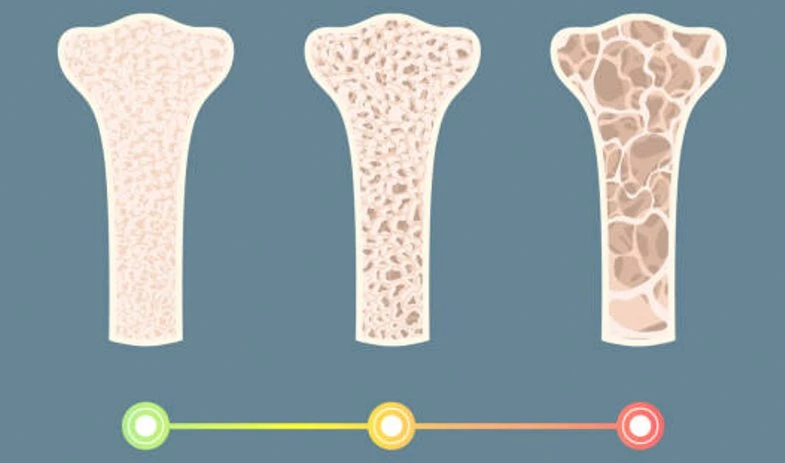
Research shows that this plant can help in bone healing. Through bone metabolism, bone cells called osteoclasts and osteoblasts continuously remodel bones to prevent imbalances that can lead to fragile bones. Osteoblasts are responsible for bone synthesis, while osteoclasts break down bone through resorption.
In vitro studies have shown that horsetail can inhibit osteoclasts and stimulate osteoblasts, suggesting it could be beneficial for bone diseases such as osteoporosis, characterized by hyperactive osteoclasts that lead to fragile bones.
A study conducted on rats showed that a daily dose of 55 mg of horsetail extract per pound (120 mg per kg) of body weight significantly improved bone density compared to a control group.
Researchers believe that the bone remodeling effects of horsetail are largely due to its high silicon content. In fact, up to 25% of its dry weight is silicon. No other plant boasts such a high concentration of this mineral.
Silicon, which is also present in bones, enhances the formation, density, and consistency of bone and cartilage tissue by increasing collagen synthesis and improving calcium absorption and utilization.
Acts as a Natural Diuretic
Diuretics are substances that increase urine excretion from the body. The diuretic effect of horsetail is one of the most sought-after properties of this fern in folk medicine.
The plant also shows potential as a therapy for urinary incontinence, urgency, and nocturia when you wake up at night to urinate.
A research analysis from 2021 found that horsetail may have potential as a therapy for kidney diseases, including urethritis and kidney stones.
However, despite these promising results, current research on humans is limited.
Heals Wounds
Topical application of horsetail ointment seems to promote wound healing. The study also found that redness, swelling, and drainage of the wound significantly improved compared to the control group. Scientists attribute these positive effects to the silicon content of the plant.
Additionally, horsetail extract can be used in nail polish to treat nail psoriasis, a skin condition that causes nail deformity.
One study found that using a nail polish made from a mixture of horsetail extract and other nail strengthening agents reduced the signs of nail psoriasis.
However, further research is needed on the direct effect of horsetail on wound healing and nail health to verify these benefits.
Promotes Hair Growth
Research shows that horsetail may also be beneficial for hair, likely due to its silicon and antioxidant content.
Firstly, antioxidants help reduce micro-inflammation and aging of hair fibers caused by free radicals. Secondly, the higher silicon content in hair fibers leads to a lower rate of hair loss and increased shine.
For example, in a 3-month study involving women with self-reported hair thinning, those who took two daily capsules containing dried horsetail and other ingredients had greater hair growth and strength compared to the control group.
Other studies analyzing the effects of various mixtures containing silicon derived from horsetail have found similar results.
However, since most studies focus on a mixture of multiple compounds for hair growth, research on the effects of horsetail alone is still limited.
Other Medical Benefits
Horsetail is known to offer many other potential benefits, including:
- Anti-inflammatory activity. In vitro studies show that horsetail extract can inhibit lymphocytes, the main type of immune cells involved in inflammatory immune diseases.
- Antimicrobial activity. Horsetail essential oil appears to have strong activity against bacteria and fungi, including Staphylococcus aureus, Escherichia coli, Aspergillus niger, and Candida albicans.
- Antioxidant activity. Research shows that horsetail is rich in phenolic compounds, a group of powerful antioxidants that inhibit oxidative damage to cell membranes.
- Antidiabetic effects. Animal and in vitro studies show that horsetail extract may help lower blood sugar levels and regenerate damaged pancreatic tissue.
Regarding dosage, a study on humans suggests that taking 900 mg of horsetail extract in capsules—the maximum recommended daily dose for dried extracts, according to the European Medicines Agency—for 4 days may produce a diuretic effect.




