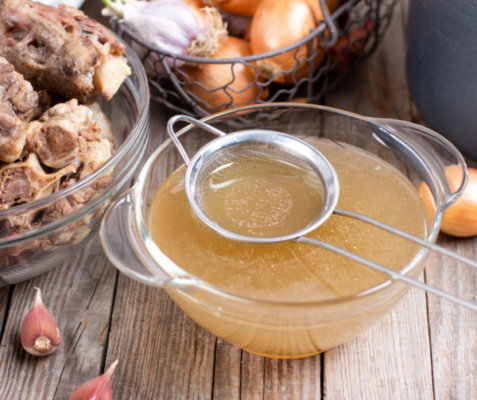
Bone gelatin is one of the most concentrated natural sources of collagen, the protein that underpins the health of the skin, joints, tendons, and skeletal system. Used for centuries in soups, broths, and traditional remedies, gelatin is now back in the spotlight for its regenerative benefits.
What is Bone Gelatin?
Gelatin is a natural substance obtained by prolonged boiling of the bones, cartilage, and ligaments of animals (especially bovine or porcine). Through this thermal process, collagen is released from the tissues, which, once cooled, forms a gelatinous mass—gelatin.
It differs from pure collagen in that it is already hydrolyzed (partially digested), making it easier for the body to absorb.
What Does Bone Gelatin Contain?
Active Form of Collagen, especially types I, II, and III, essential for:
-
skin, nails, and hair (type I collagen)
-
joints and cartilage (type II collagen)
-
blood vessels and tissues (type III collagen)
In addition to collagen, gelatin also contains:
-
Glycine – an amino acid that plays a role in liver detoxification and sleep
-
Proline and Hydroxyproline – necessary for collagen synthesis
-
Minerals – calcium, magnesium, phosphorus
-
Glucosamine and Chondroitin – substances with anti-inflammatory effects on joints
Benefits of Bone Gelatin (Explained in Detail)
1. Regenerates Joints and Prevents Pain
Type II collagen is the main component of cartilage. Studies show that regular administration of gelatin can reduce joint pain and improve mobility. A study published in Current Medical Research and Opinion (2008) showed that collagen supplementation significantly reduced joint pain in athletes.
2. Maintains Skin and Prevents Wrinkles
Type I collagen supports the elasticity and firmness of the skin. Gelatin increases the natural production of collagen in the body, and a study from Skin Pharmacology and Physiology (2014) showed that women who consumed collagen for 8 weeks had a significant reduction in wrinkles.
3. Improves Digestion
Glycine supports the secretion of gastric acid and protects the intestinal lining. Gelatin seals micro-tears in the intestine, making it recommended for leaky gut syndrome.
4. Aids Recovery After Fractures and Injuries
Due to its mineral content and collagen, gelatin accelerates the healing process of bone and tendon tissues.
5. Supports Sleep and Relaxation
Glycine has a calming effect on the nervous system. Studies suggest it can improve sleep quality and reduce anxiety.
How to Prepare Bone Gelatin at Home
Ingredients:
-
2 kg of beef bones with marrow and cartilage
-
2 tablespoons of apple cider vinegar (helps extract minerals)
-
1 onion, 2 carrots, 1 celery stalk
-
3-4 liters of water
Preparation Method:
-
Rinse the bones well and place them in a large pot.
-
Add water and vinegar. Let it sit for 30 minutes.
-
Add the vegetables and simmer on low heat for 12-24 hours.
-
Strain the liquid, let it cool, and store it in the refrigerator.
-
Once cooled, it will turn into a clear gelatin. It can be consumed as is or added to soups.
Contraindications and Precautions
-
People with gout or high uric acid levels should avoid excessive consumption as bones contain purines.
-
Not recommended for those with a vegan/vegetarian diet.
-
In rare cases, it may exacerbate symptoms of certain kidney conditions (due to phosphate content).
-
Choose bones from organic sources, untreated with hormones or antibiotics.
Sources:
-
Skin Pharmacology and Physiology, Oral Supplementation of Specific Collagen Peptides Has Beneficial Effects on Human Skin Physiology
-
Current Medical Research and Opinion, 24-week study on the use of collagen hydrolysate as a dietary supplement in athletes with activity-related joint pain
-
Nutrition Journal, Glycine ingestion improves subjective sleep quality in human volunteers




