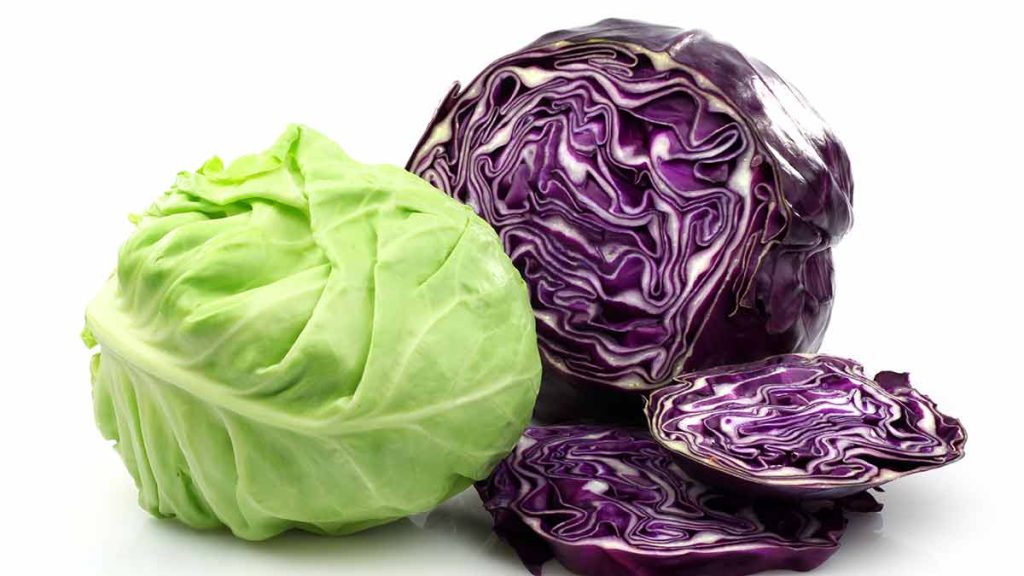
If you want a glowing skin and a strong immune system, add cabbage to your diet!
Cabbage is also ideal for weight loss. With only 33 calories per serving, cooked cabbage has a low fat content and a multitude of fibers. It is a rich source of vitamin C. You might be surprised to know that it is richer in vitamin C than oranges, which are traditionally considered the best source of this vital nutrient. Vitamin C, as one of the best antioxidants, reduces free radicals in your body, which are one of the fundamental causes of premature aging. It is useful in treating ulcers, certain forms of cancer, depression, and against coughs and colds. Additionally, it can accelerate the healing process of wounds and damaged tissues and regulates the proper functioning of the nervous system.
Cabbage has low saturated fats, 0 cholesterol, but plenty of fiber, vitamins C, K, A, B6, folate (folic acid), potassium, manganese, thiamine, calcium, iron, and magnesium.
It is very good for the brain, being rich in vitamin K and anthocyanins, which help with mental function and concentration. These substances prevent nerve damage, fighting against mental illnesses. Red cabbage has the highest amount of these nutrients.
Cabbage is rich in sulfur. This is beneficial for hair, nails, and acne-prone skin.
The high content of vitamin C and sulfur helps with detoxifying the body by eliminating toxins (free radicals and uric acid). These are the main causes of arthritis, skin diseases, rheumatism, or gout.
Cabbage contains known preventive compounds against cancer, such as lupeol, sinigrin, and sulforaphane. They stimulate enzymatic activity and inhibit the growth of cancer tumors. A compound found in cabbage, and in other vegetables from the same family, is diindolylmethane (DIM). It is known that DIM has protective effects against cancer and fights against the harmful effects of radiotherapy.
The high potassium content helps to open blood vessels, improving blood flow, thus helping to maintain proper blood pressure.
Cabbage is a rich source of beta-carotene, which is beneficial for eye health and delaying cataracts. It also contains significant amounts of calcium, magnesium, and potassium. These three essential minerals are beneficial for bone protection and preventing conditions such as osteoporosis or general bone weakening.
The high content of polyphenols in cabbage may also reduce the risk of cardiovascular diseases by preventing platelet aggregation and lowering blood pressure.
The fiber and water content in cabbage helps to prevent constipation and maintain a healthy digestive tract.
Recent studies have shown that dietary fibers can play a role in regulating the immune system and inflammation, consequently reducing the risk of conditions such as cardiovascular diseases, diabetes, cancer, or obesity.




