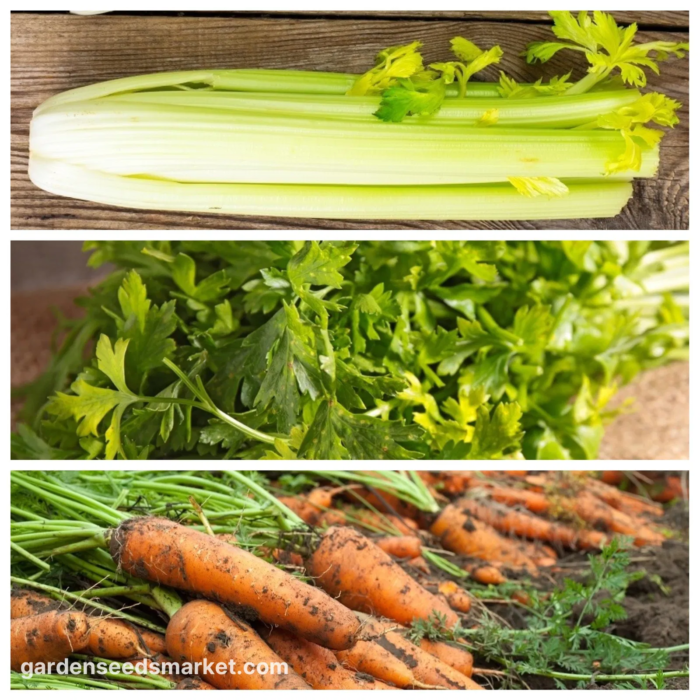
Vegetables from the Apiaceae family help the liver detoxify pollutants and protect the lungs from damage, according to a study published in 2022 in The Journal of Nutritional Biochemistry.
American researchers conducted a study on rats exposed to acrolein. They found that carrots, parsley, celery, and parsnips neutralize the harmful effects of this toxin.
What is Acrolein?
Acrolein is a reactive aldehyde found everywhere in the environment. It appears as a liquid with an unpleasant odor, highly toxic and irritating.
Acrolein is used as a biocide in aquatic flora and fauna, as well as in the production of pharmaceuticals, dietary supplements, perfumes, plastics, and textiles.
It enters the environment through several sources:
- organic combustion
- automobile exhaust gases
- cigarette smoke
- emissions resulting from cooking (animal products, overheated fats)
Acrolein Deposits in Respiratory Tissue
The population is exposed to this toxic gas in the atmosphere, especially through cigarette smoke, industrial processes, and cooking. The main route of absorption into the body is oral.
Acrolein is inhaled and retained in the respiratory tissue. It deposits in the nasal cavity and the respiratory tract. Sometimes it can enter the bloodstream, being subsequently distributed throughout the body.
The liver is the main organ responsible for eliminating this toxin. More specifically, the liver transforms acrolein into glyceraldehyde, which can be more easily excreted through urine.
Parsley, Carrots, and Celery Help the Liver Eliminate Acrolein
The study mentioned at the beginning of the article found that common vegetables such as parsley, carrots, celery, and parsnips protect the body against the damage caused by acrolein.
These Vegetables Reduce Inflammation and Pulmonary Toxicity
Animals exposed to this toxin developed pulmonary toxicity, manifested by mucus accumulation, macrophage infiltration, inflammation, and hemorrhages. All these signs of pulmonary intoxication were alleviated by the consumption of Apiaceae.
The administered vegetables reduced inflammatory markers in the blood and lungs, such as TNF-alpha (tumor necrosis factor alpha).
They regulated glutathione expression, which increased the transformation of acrolein into a water-soluble substance, easily eliminated.
Optimizes Hepatic Detoxification and Protects Against Pulmonary Damage
The authors of the study concluded that vegetables from the Apiaceae family provide protection against inflammation and pulmonary lesions induced by acrolein by optimizing the liver’s detoxification processes.
Parsley: A Strong Hepatoprotector and Antitoxic Agent
A more recent article, published in 2023, showed that parsley leaves mitigate the toxicity caused by zinc oxide nanoparticles on tissues. Parsley demonstrated significant hepatoprotective effects.
Biologist Eugen Giurgiu recommends parsley for detoxifying the body. He suggests a minimum three-week course to cleanse the body of toxins from alcohol, tobacco, tar, toxic metals, fumes, and pollutants from large urban areas.
Parsley is consumed in the form of salad. A few good vegetables are chopped finely and seasoned with lemon juice and possibly a little olive oil.
Other detoxifying Apiaceae vegetables can also be added, such as grated carrots, grated celery, and grated parsnip. After a six-week course, a two-week break is recommended.
This is a very good treatment for smokers and those who work in highly toxic environments.




