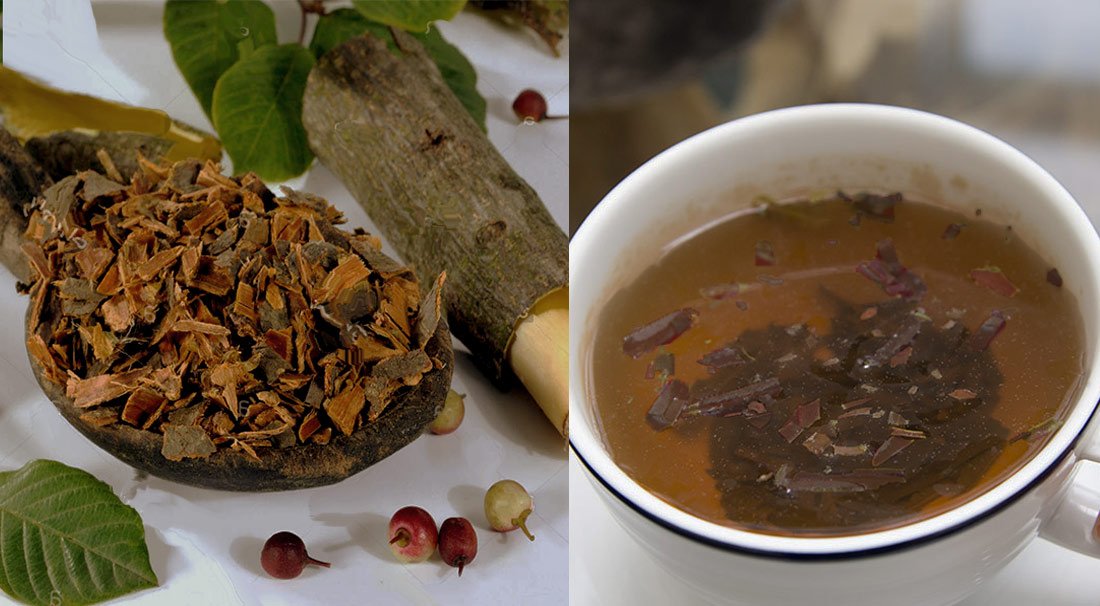
Cascara sagrada (Rhamnus frangula or Rhamnus purshiana), known as American buckthorn or Pursh’s buckthorn, is a plant that has been used for years as an ingredient in some prescription laxatives. Let’s see what the indications for this plant are and how to make a buckthorn tea, as well as what other natural remedies you can try to relieve constipation.
Buckthorn is a shrub native to the western part of North America, whose bark is processed for medicinal purposes. Over time, it has been used as a folk remedy to treat a variety of medical issues, including constipation and other digestive discomforts, as well as joint and muscle pain, gonorrhea, gallstones, or dysentery.
The processing of buckthorn bark can vary. It is usually harvested from the trunk of the shrub, cut into pieces, and dried for up to a year, although some producers heat the bark to speed up this process. The dried bark can then be ground into powder or boiled and distilled to obtain the final product.
Buckthorn is primarily used for its laxative effect, which works by inducing muscle contractions in the intestines. These muscle contractions help move stool through the intestines.
The bark of buckthorn contains compounds called anthraquinones, which inhibit the absorption of water and electrolytes in the intestine. At the same time, anthraquinones react with bacteria in the intestine to stimulate them. Given this aspect, the volume of stool increases as it absorbs excess water, which raises pressure in the intestine. This stimulates muscle contractions in the colon (peristalsis), accelerating bowel evacuation. Generally, this medicinal plant will induce a bowel movement within eight to twelve hours of administration.
Thus, buckthorn bark is considered a remedy for treating constipation, along with other natural laxatives such as Aloe vera and Senna. Unlike these counterparts, the effect of buckthorn tends to be more moderate. It is believed that buckthorn tea also helps prevent or treat gallstones, liver problems, hemorrhoids, anal fissures, and even cancer, but there is little or no evidence to support these claims.
Buckthorn tea or infusion is prepared from a tablespoon of buckthorn bark that is soaked for about 8 hours in 300 ml of water. The soaked bark is then boiled in 200 ml of water to obtain buckthorn tea. This should be consumed warm in the evening before bedtime.
The decoction is prepared from a tablespoon of crushed buckthorn bark over which boiling water is poured and left covered for 15-20 minutes, after which it is simmered for 15 minutes on low heat. It is then strained and consumed warm.
Buckthorn is intended for short-term use only. Preparations based on this medicinal plant should not be administered for more than three to eight days. If used to treat occasional constipation, it is generally safe and well-tolerated.
In some cases, it may cause abdominal pain and cramps (most commonly when used to treat severe constipation), severe dehydration, rapid loss of electrolytes such as sodium, potassium, chloride, and can even lead to dependency.
Using buckthorn for more than two weeks may make it so that you cannot go to the bathroom without the help of a laxative. Additionally, long-term use of buckthorn can cause a condition known as melanosis coli, a discoloration of the colon lining.
Moreover, if you drink buckthorn tea for more than a week or two, you should be aware that it can trigger a series of possible serious side effects, including:
severe nausea;
loss of energy;
headaches;
muscle weakness, spasms, or cramps;
irregular heartbeats (arrhythmia);
rapid heartbeats (tachycardia);
numbness or tingling in the hands or feet (neuropathy);
reduced urine output;
states of confusion;
depressive states.
You should consider several aspects before deciding whether to use various remedies based on buckthorn. Therefore, it is recommended to discuss with your family doctor beforehand. They can confirm whether buckthorn is a safe treatment option for you or suggest an alternative treatment. Pregnant women and children under 12 years old should avoid laxatives due to the potential side effects, unless prescribed by a doctor.
This medicinal plant can interact with a class of medications called cardiac glycosides used to treat heart failure, including digoxin and digitoxin. It can also reduce the effectiveness of corticosteroids used to treat inflammation. Since these medications work by lowering potassium levels in the body, taking buckthorn products with one of them can lead to severe hypokalemia (low potassium levels).
Additionally, as with any laxative you take, it is advisable to drink plenty of fluids in the meantime. A recommendation would be that when you know you are drinking buckthorn tea, you should also drink eight glasses of water a day. This helps with better hydration and softening of the stool. Also, pay attention to what is written on the buckthorn product packaging and follow any additional instructions you find on the label.
As a general rule, it is advisable to use stimulant laxatives only occasionally and as a last resort after diet, exercise, and other treatments have not worked.
Furthermore, you should never use buckthorn in cases of:
inflammatory bowel diseases, such as ulcerative colitis or Crohn’s disease;
intestinal obstruction (blockage);
stomach pain of unknown cause;
appendicitis or suspicion of appendicitis;
diverticular diseases of the colon;
severe hemorrhoids;
congestive heart failure;
cardiovascular diseases;
severe anemia;
abdominal hernia;
gastrointestinal cancer;
liver diseases;
kidney diseases;
recent surgical interventions on the colon.
Also, due to the lack of research regarding the safety of administration, buckthorn should not be used by children, pregnant women, or nursing mothers.
Treating constipation can be achieved through a variety of natural methods that involve changes in diet, lifestyle, and daily habits.
Include more fruits, vegetables, whole grains, nuts, and seeds in your diet. Foods such as apples, pears, plums, carrots, broccoli, and beans are excellent sources of fiber. If you are unable to consume enough fiber through your diet, you can take fiber supplements, such as psyllium husk.
Consuming yogurt, kefir, sauerkraut, and cabbage juice can help balance intestinal flora and stimulate healthy digestion. Yogurt is a rich source of probiotics, especially the Lactobacillus and Bifidobacterium strains, which are beneficial probiotics in cases of constipation, and sauerkraut is not only rich in probiotics but also in fiber.
Adequate water intake is essential for keeping stools soft and facilitating their passage through the colon. It is recommended to drink at least 8 glasses of water a day. If you work in high heat and also engage in sustained physical effort throughout the day, your water needs are even higher. Infusions such as ginger, peppermint, or fennel can also help stimulate digestion and treat and prevent constipation.
Movement of any kind, including exercise, walking, running, or yoga, can help stimulate intestinal movements and prevent and treat constipation. Physical exercise also helps maintain good muscle tone in the abdominal wall and pelvic muscles. Strong abdominal and pelvic muscles can help eliminate stool by generating adequate pressure during defecation. A daily walk of 20-30 minutes can stimulate intestinal function and help prevent constipation, while squats can contribute to treating constipation.
Prunes are rich in fiber and sorbitol, a natural laxative that helps stimulate intestinal movements. You can also consume ground flaxseeds, which are rich in fiber and Omega-3 fatty acids; you can add them to yogurt, salads, or smoothies. Consuming a tablespoon of olive oil on an empty stomach can help stimulate the digestive system.
Stress can contribute to constipation, so relaxation techniques such as meditation and deep breathing can be helpful. Gently massaging the abdomen in a clockwise direction can stimulate peristalsis and help relieve constipation.
Use a small stool or a footrest to elevate your knees above your hips when sitting on the toilet. This position can help reposition the colon and facilitate defecation.




