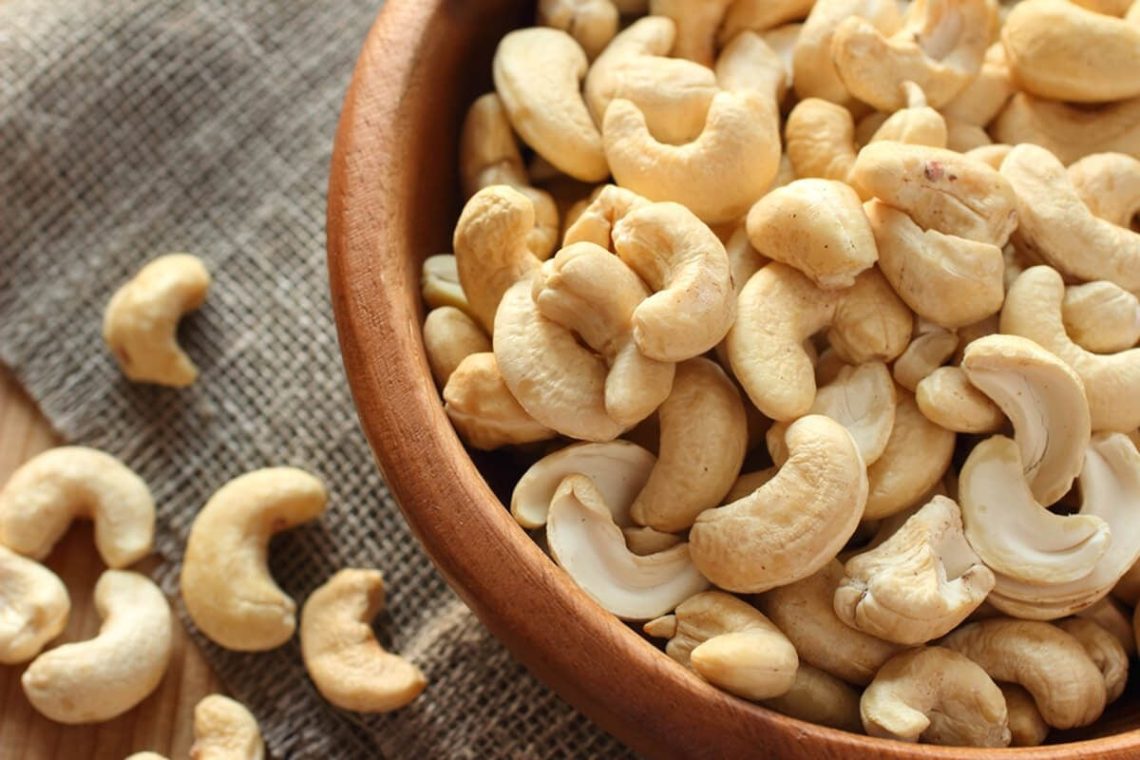
The health benefits of cashew nuts include improving heart health, optimizing nerve and muscle functions, aiding in the formation of red blood cells, and enhancing bone and oral health. They provide support for diabetes, anemia, and gallstones. They offer antioxidant protection and encourage a strong immune system.
Cashew nuts are a source of energy, containing essential proteins and minerals, including copper, calcium, magnesium, iron, phosphorus, potassium, and zinc. Sodium is also present, but in very small amounts.
Cashews contain vitamins C, B1, B2, B3, B6, folic acid, E, and K. They are a source of oleic acid and provide a large amount of monounsaturated fats and reduced amounts of polyunsaturated fats, without harmful cholesterol, if consumed properly.
Studies have shown that monounsaturated fats increase HDL cholesterol (good cholesterol), reduce triglyceride levels, and beneficially lower blood pressure.
Cashew nuts are a good source of magnesium, a vital substance for the healthy development of bones, muscles, tissues, and organs in the body. Magnesium helps maintain blood pressure, supports the immune system, keeps nerve function, and strengthens bones. It is also involved in metabolic functions and regulates blood sugar levels. A deficiency in magnesium can alter metabolism and the hormones responsible for regulating it.
They help reduce the risk of type 2 diabetes. Research has shown that the antioxidant richness of cashew nuts protects against cancer. Cashew nuts contain proanthocyanidins, a class of flavonoids that inhibit tumors and block the division of cancer cells. Several studies have demonstrated that a diet including cashews reduces the risk of colon cancer. Their high content of copper, phytochemicals, and antioxidants provides properties to fight free radicals.
The copper content in cashew nuts helps in the metabolism of iron, the formation of red blood cells, and maintaining healthy bones and immune systems. It is vital for the nervous system. A deficiency of copper in the body can lead to osteoporosis, irregular heartbeats, and anemia.
These nuts contain phosphorus, essential for the healthy development of teeth and bones. Phosphorus also aids in protein synthesis, carbohydrate absorption, fat absorption, and maintaining cellular health.
The zinc found in cashew nuts plays a vital role in strengthening the immune system against microbial infections and in wound healing. It is extremely important during pregnancy for the growth of the child and in the developmental years of childhood.
If consumed in adequate amounts, they contribute to maintaining strong health. Especially for vegetarians and vegans, cashew nuts can serve as a good alternative to compensate for essential nutrient intake.
Cashew nuts should never be consumed raw. Typically, the cashew nuts found in stores are roasted.
Originating from the Amazon, the cashew is not a true nut, as it grows outside the fruit (which is also edible). It can be observed that cashew seeds do not have a protective shell like nuts, which is why they are covered with an acid similar to that produced by a poisonous ivy, thus they should not be consumed raw.
Attention! Despite their benefits, consuming them can cause discomfort for individuals who are allergic to nuts.




