Cellulite removal treatments are on the rise as more people struggle to maintain a healthy weight and seek ways to eliminate cellulite.
How can you get rid of cellulite? Nothing can replace an anti-inflammatory diet and exercise. Just like with other signs of aging, if you want to reduce cellulite, focus first on maintaining a healthy weight throughout your life.
Then, certain topical treatments can help make cellulite less visible and improve the overall appearance of the skin.
What is cellulite?
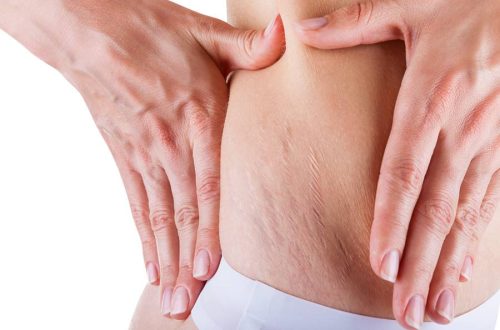
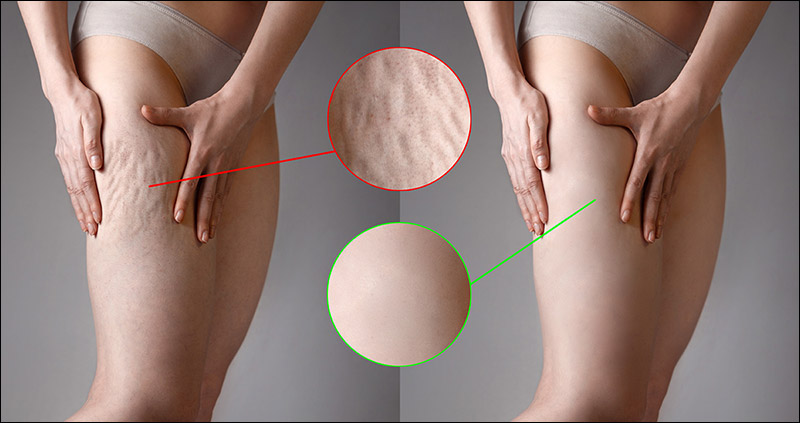
Cellulite forms when fat cells develop under the skin and push upwards against connective tissue, creating an uneven appearance.
There are three types of cellulite with varying severities, from mild to severe.
Some of the contributing factors to this condition include lack of physical exercise (a sedentary lifestyle), hormonal changes, and a poor-quality diet.
It is possible to develop cellulite at any age, but it tends to worsen with age due to increased fat deposits (and often a higher body weight).
This condition is more common in women than in men, with approximately 90% of women having some level of cellulite, especially as they age and their skin loses elasticity. However, even teenagers who face weight and hormonal changes can experience this skin concern.
Cellulite is not serious or harmful, and therefore many choose to simply leave it alone. However, others become very bothered by the unsightly appearance of cellulite.
Causes of cellulite
What is the main cause of cellulite? Several primary factors contribute to the development of cellulite, including:
– Low collagen levels in the skin, leading to skin thinning and loss of elasticity
– Genetic factors
– Poor diet
– Fluid retention
– Dehydration
– Poor circulation
– Overweight
– Hormonal changes, including estrogen and cortisol
– Lack of physical activity
Other factors that can cause changes in the skin, such as cellulite, sagging, wrinkles, and dark spots, include:
– Hormonal imbalances
– High levels of stress
– Existing medical conditions, such as autoimmune diseases or diabetes
– Allergies
– Smoking
– Excessive sun exposure
– Other causes of toxicity
While the link between stress management and the development of cellulite may be overstated, studies have shown that all of the above factors increase inflammation and contribute to signs of aging.
For example, according to a study published in the Journal of the European Academy of Dermatology and Venereology, cellulite may also be caused by elevated levels of catecholamines due to high stress and increased cortisol levels.
Factors such as stress and a poor diet also cause the body to slow down collagen production, which is essential for keeping skin youthful.
In fact, collagen (a type of structural protein that forms the layers of the skin) plays an important role in regulating cellulite. Dysfunction of collagen-rich fibers called fibrous septa seems to create dimples for cellulite, which is why they are now included in most professional treatments against cellulite.
How to get rid of cellulite
Can you get rid of cellulite once you have it? Unfortunately, it seems the answer is not entirely.
As explained in a 2019 review, despite numerous therapeutic approaches attempting to treat cellulite, no procedure has proven successful in the long term.
Considering all the lifestyle factors that affect the appearance and health of your skin, it is understandable why intensive cellulite treatments—including non-invasive devices like massage or radio/acoustic frequency, laser and light-based treatments, liposuction, topical creams, injections, and carboxytherapy—are popular options.
However, these are not long-term solutions for keeping the skin looking healthy.
So how should you approach cellulite? According to a study published in the International Journal of Cosmetic Science, reducing adipogenesis (fat storage) and increasing thermogenesis (burning fat through body heat) seem to be key, while also improving microcirculation and collagen synthesis.
Here are the top five natural ways to help reduce the appearance of cellulite:
1. Eat a healthy diet
Can cellulite on the legs disappear? Losing weight and then maintaining a healthy body fat percentage can help reduce the appearance of cellulite on the legs or elsewhere.
Some of the top foods for reducing or preventing cellulite include:
– Flaxseeds: Flax is excellent for skin health and overall wellness as it modulates estrogen levels and can increase collagen production.
– Hydrating foods: Since dehydration can lead to bloating and dry skin, try to eat hydrating foods naturally. These include fresh vegetables and fruits, especially melons, berries, cucumbers, celery, citrus fruits, and fresh herbs.
– Fiber-rich foods: These include vegetables, nuts, seeds, and berries. Fiber helps cleanse the colon, reduces hunger, supports metabolism, and balances hormones. Fiber-rich foods that contain plenty of antioxidants, such as leafy greens or berries, are beneficial due to their ability to reduce free radical damage (which ages the skin).
– Clean protein sources: High-quality protein foods, such as grass-fed beef, poultry, eggs, wild fish, and organic protein powder, can support a healthy metabolism and help reduce cellulite.
– Foods rich in potassium: Eliminating excess fluids and waste from cells can help reduce cellulite. Leafy greens, avocados, bananas, coconut water, and cultured dairy are all rich in potassium.
– Healthy fats: Coconut oil and wild fish contain fatty acids that promote healthy tissue. Consume a tablespoon of extra virgin coconut oil and a serving of wild fish (or 1,000 milligrams of fish oil) daily for best results.
– Water: Water keeps the skin hydrated and helps eliminate toxic compounds. Try to drink between 8 to 10 glasses of water a day. Well-hydrated skin looks more even, with a less dry or aged appearance.
Try to avoid or reduce these foods, which can cause or worsen cellulite:
– Sugar and salt
– Refined flour and refined grain products
– Food allergens
– Trans and hydrogenated fats
2. Consume more collagen
Connective tissue—including the layers of the skin—is made up of collagen. When the skin is strong, the appearance of cellulite is diminished.
Collagen is the most abundant protein in the human body and is necessary for skin elasticity, youthful texture, and resilience. One of the best ways to obtain more collagen is by consuming bone broth, which also contains amino acids like glutamine.
Bone broth contains the amino acids proline and glycine that make up collagen, along with important trace elements and even antioxidant compounds. The collagen in bone broth can strengthen skin tissue and help reverse the underlying causes of cellulite.
3. Exercise regularly
Here are some tips and information to consider to get the most benefits from your workouts:
– Find a program that balances cardio training and resistance training. Aim for workouts that last between 20 and 40 minutes a day.
– It is known that exercise boosts metabolism and burns calories long after your workout is over (24-48 hours).
4. Use essential oils that heal the skin
Store-bought or prescription creams for cellulite can be ineffective or costly (or both!)—plus, most are filled with chemicals that can aggravate your skin.
How can you quickly get rid of cellulite on your legs? Add a few drops of grapefruit essential oil to a carrier oil like olive or coconut oil and massage the problem area.
How does grapefruit oil help? Studies show that grapefruit essential oil contains high amounts of anti-inflammatory enzymes, such as bromelain, which help break down cellulite and prevent the formation of new fat cells (inhibiting adipogenesis) under the skin.
5. Try dry brushing and massage therapy
By stimulating blood flow and lymphatic drainage, dry brushing the skin and massage treatments can help manage cellulite. You may not notice a huge difference, but it can’t hurt and may have other benefits (such as for stress, exfoliation, etc.).