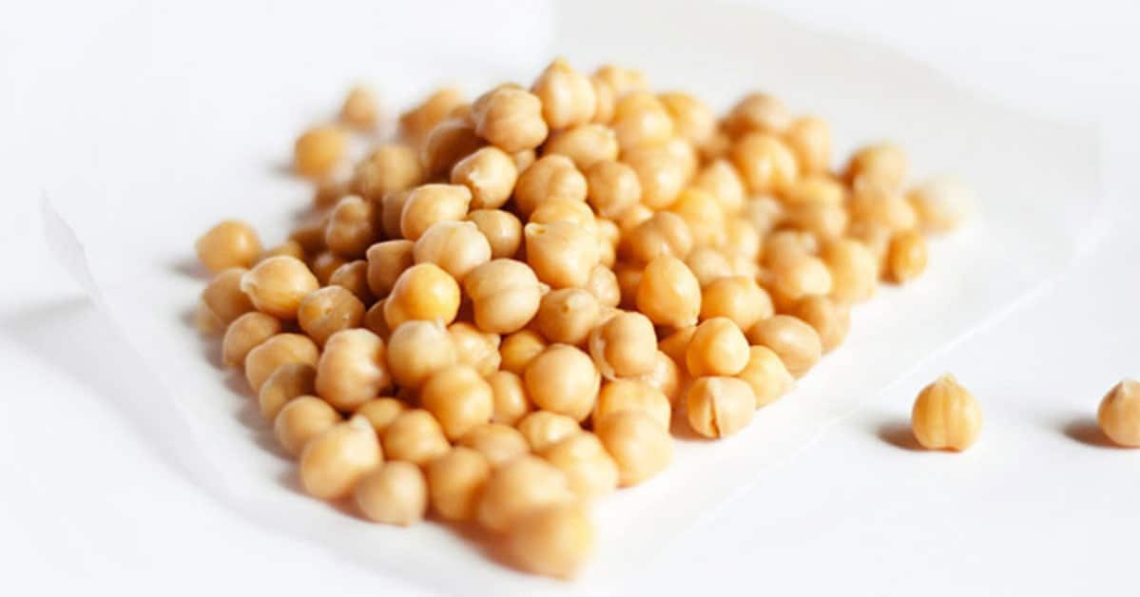
Chickpeas offer numerous health benefits, including the ability to promote growth, protect the heart, improve digestion, build strong bones, prevent chronic diseases, reduce the risk of genetic diseases, and keep diabetes under control.
Chickpeas have been cultivated for over 7000 years, being one of the oldest legumes on the planet. There are approximately 90 identified species of chickpeas, many of which have an impressive nutrient profile, making them an essential crop in certain regions for centuries or even millennia.
Providing protein, dietary fiber, iron, magnesium, folic acid, phosphorus, and a range of essential vitamins, along with a rich mix of antioxidants and active components, chickpeas are a very healthy food.
Probably the most important aspect of chickpeas is their high protein content, making them an ideal option for vegetarians who want to ensure they have an adequate nutrient intake. Proteins are essential for growth and development, as well as for proper healing throughout the body.
There are a number of antioxidant compounds found in chickpeas, including polyphenols, phytonutrients, beta-carotene, and key vitamins, which can reduce oxidative stress in the body and prevent chronic diseases. Antioxidants protect the body from cancer, coronary diseases, macular degeneration, and even cognitive disorders such as Alzheimer’s and Parkinson’s disease.
Digestion is the starting point for the health of the human body. The high levels of dietary fiber found in chickpeas can contribute to maintaining regular intestinal movements, while simultaneously reducing inflammation, bloating, and constipation. This can improve digestion and ensure the absorption of nutritional values from food.
Managing blood sugar levels is important, not only for those suffering from diabetes, and chickpeas have the ability to regulate blood sugar levels by optimizing digestion. By ensuring that the body maintains normal insulin and sugar levels, chickpeas can prevent the development of diabetes and help people manage this condition better.
The mix of nutrients and minerals keeps the body energized and active, preventing fatigue.
The minerals found in chickpeas, including iron, phosphorus, magnesium, copper, and zinc, are exceptionally good for bone health. Many of these minerals are essential for improving bone density and preventing age-related conditions such as osteoporosis.
Folate is an important B vitamin for several reasons, but it is most often associated with potential benefits for women. Low levels of folate are closely associated with neural tube defects and other complications at childbirth.
High levels of soluble fiber help eliminate cholesterol and rebalance these levels in the heart, preventing atherosclerosis, heart attacks, and strokes. Additionally, the only fats found in chickpeas are omega-3 fatty acids, which are beneficial polyunsaturated fats. These protect the heart and help reduce inflammation in the body.
Attention! Chickpeas contain compounds known as purines, which can be broken down by the body into uric acid. It is not recommended to consume chickpeas if you have kidney insufficiency, chronic kidney diseases, or gout.




