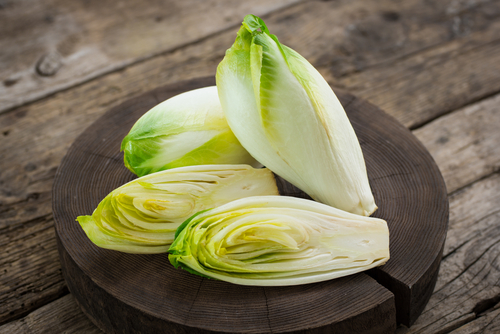
Chicory (Cichorium intybus) is also known as summer chicory, Brussels chicory, Witloof chicory, or garden chicory. The leaves of this plant are an excellent source of minerals such as calcium, zinc, iron, manganese, thiamine, and potassium. It is also rich in vitamins A and C, which act as antioxidants necessary for the body to fight against diseases such as heart problems and cancer. Chicories are full of phytochemicals that make the plant an ideal addition to a low-cholesterol diet. They are rich in vitamin K, P, folic acid, pantothenic acid, magnesium, and phosphorus.
Due to their high water content and low calorie value, they are an ideal part of a weight loss diet.
Health benefits and therapeutic uses of chicories:
– reduce bad cholesterol levels, as they are rich in dietary fiber.
– help with weight loss.
– one of the main roles of chicory is to be a good vitamin source and remineralizer in the diet of children, convalescents, pregnant women, or elderly people. The therapeutic properties of chicories are mainly due to their bitter, tonic taste, which stimulates appetite and gastric secretions.
They maintain skin health and mucous membranes due to the antioxidant value of vitamin A and beta-carotenes. Vitamin A helps improve vision and protects the body against certain forms of cancer.
– the content of B vitamins, such as folic acid, thiamine, niacin, and pantothenic acid, encourages the metabolism of carbohydrates and fats.
– help increase and stimulate appetite by improving bile secretion.
– can be consumed as a diuretic because it contains about 95% water, and as a laxative due to its high fiber content.
– specialists have discovered in the analysis of chicory some cytostatic properties that prevent cell multiplication, which is useful in cancer treatment. It plays a role in biliary atony and regulates the tone of the gallbladder muscles, due to its remarkable choleretic effect.
Attention! Chicory is less recommended in raw form for individuals with gastroduodenal ulcers or those with hyperacid gastritis. If chicory is kept in light, it dries out, turns green, and becomes even more bitter.




