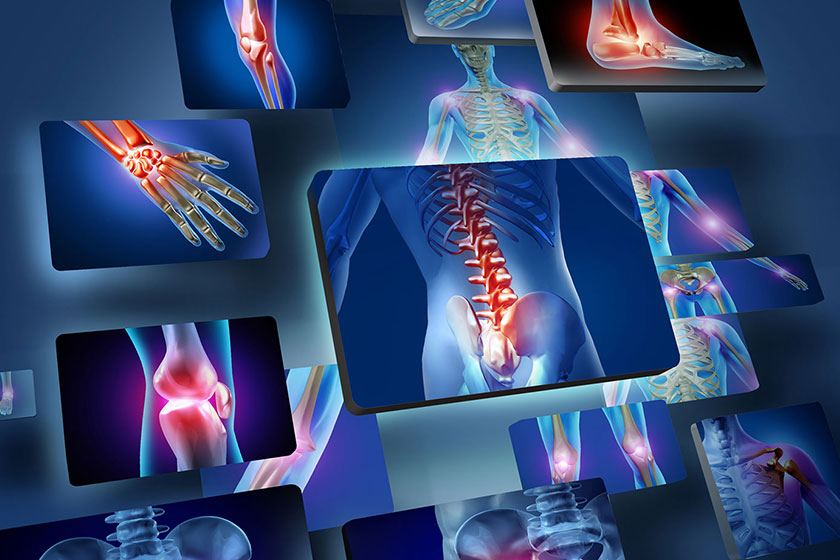
Inflammation is now linked to almost every health condition. What are some examples of inflammatory diseases? According to a report from Harvard Medical School, chronic inflammation plays a central role in some of the most serious diseases of our time, including rheumatoid arthritis, cancer, heart disease, diabetes, asthma, and even Alzheimer’s.
According to a scientific article, an increasing number of evidence shows that chronic inflammation causes and progresses many common diseases. Arthritis is inflammation of the joints. Heart disease is inflammation of the arteries. The list goes on.
Instead of relying on medication to reduce an inflamed area of the body, it would be better to focus on reducing inflammation in the first place. The good news is that there are plenty of ways to avoid or reduce inflammation that causes chronic diseases, including an anti-inflammatory diet and other scientifically proven tactics that you can start today!
What is inflammation?
Inflammation is part of the body’s inherent immune response and is not always bad. What is inflammation? When it is acute and not dangerous, it is the body’s natural defense against damaged cells, viruses, bacteria, etc. Its purpose is to eliminate these harmful or foreign invaders and to heal itself. Without inflammation, wounds would worsen and infections could be fatal.
A standard definition of inflammation: a local response to cellular injury that is marked by capillary dilation, leukocyte infiltration, redness, heat, and pain, serving as a mechanism to initiate the removal of harmful agents and damaged tissue. This is more precisely a definition of acute inflammation.
Inflammation can sometimes be confused with an infection, but the two are not the same. However, infection can cause inflammation, as infection is caused by harmful substances such as bacteria or fungi. In fact, inflammation is the body’s response to infection. In this way, inflammation is good. But not always.
Acute vs. chronic inflammation
There are two very different types of inflammation. One type is acute inflammation; the other is chronic. While acute inflammation starts quickly and generally disappears within a few days, chronic inflammation can last for months or years due to the failure to eliminate the cause.
It can be beneficial when, for example, your knee suffers a blow and the tissues need care and protection. However, sometimes inflammation can persist longer than necessary, causing more harm than good.
Symptoms of inflammation
The symptoms of inflammation vary depending on the type of inflammation.
Acute inflammation often occurs due to an external injury to the body or skin. The symptoms and signs of acute inflammation (which are usually on the skin) include:
pain
redness
swelling
immobility
heat (the affected area may feel warm to the touch)
If acute inflammation occurs deep inside the body, such as in an internal organ, only some of these signs may be visible. For example, some internal organs, such as the lungs, do not have sensory nerve endings nearby, so there may be no pain, even if inflammation of the lungs is present.
Some symptoms and signs of chronic inflammation include:
fatigue
mouth sores
chest pain
abdominal pain
fever
eczema
joint pain
Chronic inflammation can affect any organ. Examples of inflamed organs include:
swelling and loss of function of blood vessels (vasculitis)
enlargement and loss of function of the kidneys (systemic lupus erythematosus)
swelling and loss of function of muscles (juvenile dermatomyositis)
What is the main cause of inflammation in the body? There are actually several possible causes of chronic inflammation.
Causes of inflammation
What causes inflammation? A poor diet, stress, minor food allergies, a sedentary lifestyle, and many others can contribute to chronic inflammation.
Medical experts highlight several additional possible causes, as follows:
Your individual inflammatory response: If your body does not manage an infection well with a normal acute or temporary inflammatory response, then it may lead to uncontrolled or chronic inflammation.
A malfunctioning protein: Researchers at the Institute of Biomedical Sciences at Georgia State University in Atlanta have discovered that a protein called CYLD is key to managing the body’s inflammatory response to pathogens such as bacteria and viruses. According to the lead author of the study, Jian-Dong Li, MD, Ph.D., it acts like a brake pedal to stop this defense. An uncontrolled and hyperactive inflammatory response may likely be due to a defect in this brake pedal.
Excess weight or obesity: Excess adipose tissue produces inflammatory cytokines in the body. According to PhD Catherine Duggan, a leading scientist at the Fred Hutchinson Cancer Research Center in Seattle, being overweight may mean that your body is in a state of low-grade, long-term inflammation.
Mood: Chronic stress alters the genetic activity of immune cells before they enter the bloodstream, says Victoria Maizes, MD, executive director of the Integrative Medicine Center at the University of Arizona in Tucson. There is also a suspected link between depression and increased levels of C-reactive protein (CRP) in the blood, which rises in response to inflammation.
Personality traits: Research has shown that people who are less conscientious are at greater risk of having unhealthy habits that promote inflammation, such as smoking, consuming unhealthy foods, and exercising less.
Gut health: Having imbalanced gut bacteria can lead to inflammation that may be behind digestive health issues, such as irritable bowel syndrome, along with conditions outside the digestive system. Problems with the microbiome can contribute to inflammatory conditions such as arthritis, depression, and neurological diseases, says Eamonn Quigley, MD, head of the gastroenterology department at Houston Methodist Hospital.
Exposure to pollution: Studies show a link between higher exposure to air pollution and higher levels of inflammation-related substances in the body, including CRP and IL-6 (a pro-inflammatory cytokine).
Inflammatory diseases
Examples of diseases, conditions, and situations that can lead to acute inflammation include:
Sore throat due to a cold or flu
Skin wounds, such as a cut
Infected ingrown toenail
A type of physical trauma to the body
Acute bronchitis
Sinusitis
Dermatitis
Are you already dealing with a chronic inflammatory disease? In fact, there are many health conditions that fall into the category of inflammatory diseases, such as:
Asthma
Heart disease
Rheumatoid arthritis
Multiple sclerosis
Chronic peptic ulcer
Systemic lupus erythematosus
Periodontitis
Ulcerative colitis
Crohn’s disease
Active hepatitis
Foods that cause inflammation
Are you following an inflammation-promoting diet? According to the Arthritis Foundation, here are some of the main inflammatory foods or food ingredients that can cause inflammation in the body:
Sugar
Bad saturated fats, such as trans fats
Oils and products high in omega-6: Omega-6 fatty acids are important for the body in moderation, but excessive consumption causes the body to produce pro-inflammatory chemicals. Omega-6 fatty acids are found in oils such as corn, safflower, sunflower, soybean, peanuts, and certain vegetables. They are also found in mayonnaise and many salad dressings.
Refined carbohydrates/white flour products
MSG: This controversial food additive is often found in prepared Asian foods, fast foods, soy sauce, prepared soups, and salad dressings. MSG can trigger two significant pathways of chronic inflammation and can negatively impact liver health.
Gluten
Casein: Some people with inflammatory issues, such as arthritis, find symptom improvement when avoiding casein, which is found in dairy products.
Aspartame: Aspartame is one of several controversial artificial sweeteners. As highlighted by the Arthritis Foundation, if you are sensitive to a chemical substance like aspartame, your immune system may react to this foreign substance by attacking the chemical, which then triggers an inflammatory response.
Alcohol: Alcohol is a burden on the liver. Excessive alcohol consumption is detrimental to the liver, as it not only weakens liver function but also disrupts interactions with multiple organs in the body and can cause inflammation. To reduce inflammation, it is best to avoid alcohol or only consume it in moderation.
Anti-inflammatory foods
As part of an anti-inflammatory diet, you will want to avoid the problematic foods that cause inflammation mentioned above, while ensuring that your diet is loaded with anti-inflammatory foods. These anti-inflammatory foods are also rich in antioxidants, which help reduce damage caused by inflammation.
The Mediterranean diet is an excellent example of a meal plan that contains many anti-inflammatory foods and has been shown to lower levels of bad LDL cholesterol while simultaneously reducing the risk of heart disease, Parkinson’s disease, Alzheimer’s disease, and cancer.
Vegetables: at least 4 to 5 servings per day of the following vegetables: beets, carrots, cruciferous vegetables (broccoli, cabbage, cauliflower, and Brussels sprouts), dark leafy greens, onions, peas, lettuce, sea vegetables, and zucchini.
Fruits: 3 to 4 servings per day of healthy fruits such as apples, blackberries, blueberries, cherries, nectarines, oranges, pears, grapefruit, pineapple, plums, pomegranates, or grapes.
Water: Make sure to drink enough high-quality purified water for your body weight. Mineral water or unsweetened herbal tea are other hydration options.
Beans and legumes: soaked and sprouted kidney beans, adzuki beans, black beans, peas, chickpeas, or lentils.
Healthy fats: avocado, extra virgin olive oil, flaxseeds, and hemp seeds.
Herbs and spices: unlimited quantities of herbs and spices rich in antioxidants, such as basil, chili pepper, cinnamon, curry powder, garlic, ginger, rosemary, turmeric, and thyme.
Proteins: organic eggs, grass-fed meat, healthy cheeses, organic poultry, and cultured/raw dairy.
Tea: Tea is an excellent natural anti-inflammatory beverage. Try to drink 2 to 4 cups of green, oolong, or white tea per day.
Fresh vegetable and fruit juices: if you have a juicer, you can try making fresh juices that discourage inflammation, from celery, cucumber, ginger, pineapple, spinach, and lemon.
Anti-inflammatory practices
Physical exercise
Regular physical exercise is a key tool for optimal health. More specifically, it can help reduce inflammation! A study published in the journal Brain, Behavior, and Immunity demonstrates that just 20 minutes of moderate exercise can reduce inflammatory responses and protect against chronic low-grade inflammation-related conditions.
Prayer and meditation
Daily practices such as prayer and meditation can also help reduce inflammation. Studies show how a meditation practice can reduce psychological stress. Research also indicates mind-body practices, such as meditation and tai chi, as ways to reduce the activity of genes associated with inflammation.




