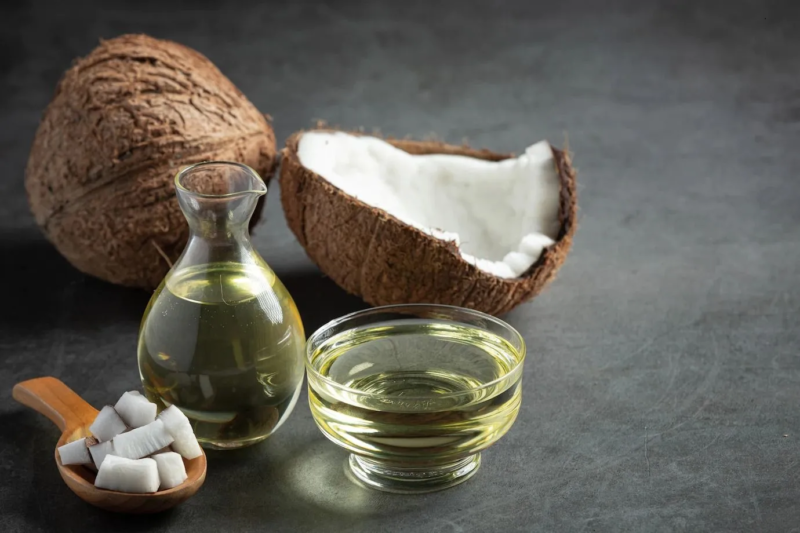
Coconut oil is one of the most popular natural remedies for skin care. Its pleasant aroma and velvety texture make it appealing for daily use, especially among those seeking natural alternatives to conventional cosmetic products. However, not all skin types react positively to this oil, and in some cases, irritations can become more severe. Dermatologists emphasize the importance of how it is used and the type of skin it is applied to. In this article, we explore the real benefits of coconut oil, as well as situations in which it can be harmful.
What Coconut Oil Contains and How It Works
Virgin coconut oil, obtained through cold pressing, is rich in saturated fatty acids, particularly lauric acid, as well as capric and caprylic acids. These compounds have antimicrobial and anti-inflammatory effects, capable of protecting the skin against bacteria, fungi, and external irritants. Additionally, coconut oil is a natural source of vitamin E and antioxidants, which support cellular regeneration. Its ability to form a protective film helps the skin retain moisture, making it effective for dry or cracked skin. However, its very fatty composition is not suitable for all skin types, especially for those prone to acne.
When It Helps:
1. Intensely Hydrates Dry and Irritated Skin
Coconut oil is recognized for its ability to deeply hydrate the skin, especially in cases of severe dryness. Saturated fatty acids penetrate the stratum corneum of the epidermis and help restore the lipid barrier, essential for maintaining hydration. A study in the International Journal of Dermatology (2014) compared the effectiveness of virgin coconut oil with that of olive oil in treating atopic dermatitis and demonstrated a significant improvement in symptoms in favor of coconut oil. When applied regularly, it can reduce flaking, itching, and redness, leaving the skin soft and more elastic. Therefore, it is recommended for areas affected by wind, cold, or frequent washing.
2. Has Natural Antibacterial and Antifungal Effects
Lauric acid, which constitutes about 50% of the composition of coconut oil, is a potent antimicrobial agent. Studies published in the Journal of Medicinal Food have shown that coconut oil inhibits the growth of pathogenic bacteria such as Staphylococcus aureus, as well as some fungi like Candida albicans. This makes it useful for preventing minor skin infections, such as those arising from scratches or diaper irritations. It can also be used to soothe areas affected by fungal infections, especially between the toes or under the breasts. However, it should be applied to clean, dry skin; otherwise, it can clog pores and worsen the problem.
3. Accelerates Healing of Minor Injuries
Coconut oil contributes to the natural healing process of the skin, especially in the case of superficial wounds or irritations caused by friction. In a study published in Skin Pharmacology and Physiology (2010), researchers observed that topical application of coconut oil stimulated collagen production and epidermal regeneration. Additionally, its antimicrobial protection reduces the risk of infection in the affected area. Its oily texture creates a barrier that protects the wound from dust and bacteria while maintaining a slightly moist environment, ideal for regeneration. Therefore, it can be useful for scrapes, mild sunburns, or mechanical irritations.
4. Can Soothe Mild Eczema and Psoriasis
For individuals with mild forms of eczema or psoriasis, coconut oil can provide significant relief. Its anti-inflammatory properties reduce redness and the itching sensation associated with these conditions. According to an analysis published in Dermatitis, patients who applied virgin coconut oil to atopic dermatitis lesions experienced significant improvement in symptoms within 8 weeks. The oil penetrates the skin and acts on inflammation without irritating or creating dependency, unlike corticosteroid ointments. However, it is important to apply it to clean skin to avoid trapping impurities under the oily film.
When It Can Worsen Irritations: Important Warnings
Coconut oil is comedogenic, meaning it can clog pores, especially in oily or acne-prone skin. In such cases, regular use can lead to the appearance of pimples, blackheads, or even worsen existing inflammation. According to American dermatologist Dr. Whitney Bowe, coconut oil is a good ingredient for dry skin but can be disastrous for acne-prone skin. Additionally, in cases of contact dermatitis, coconut oil can amplify allergic reactions or cause rashes. It is essential to perform a patch test on a small area of skin before applying it to larger areas, especially in children or individuals with sensitive skin.
Contraindications and Precautions
- Not recommended for individuals with oily or acne-prone skin.
- May trigger allergic reactions in individuals sensitive to nuts.
- Should not be applied to infected wounds or inflamed areas with secretions.
- Not indicated for daily use on the face, especially without prior skin cleansing.
- Should not be combined with other comedogenic oils without medical consultation.
Sources:
- International Journal of Dermatology – Effect of virgin coconut oil on skin barrier function in mild to moderate atopic dermatitis
- Journal of Medicinal Food – Antimicrobial properties of lauric acid in virgin coconut oil
- Skin Pharmacology and Physiology – Wound healing and anti-inflammatory effect of coconut oil
- Dermatitis – Coconut oil versus mineral oil as a moisturizer in atopic dermatitis




