Colon cancer is one of the most common forms of cancer, affecting both women and men. Although there are many natural remedies with potential to prevent the disease, government health institutions rush to claim that there are not enough studies to justify their prescription as a form of treatment.
This is a common attitude when it comes to using food as medicine and about the research that can confirm their potential. Unfortunately, today’s science is dominated by the pharmaceutical industry, and most studies received by doctors in the Western world come directly from industry firms.
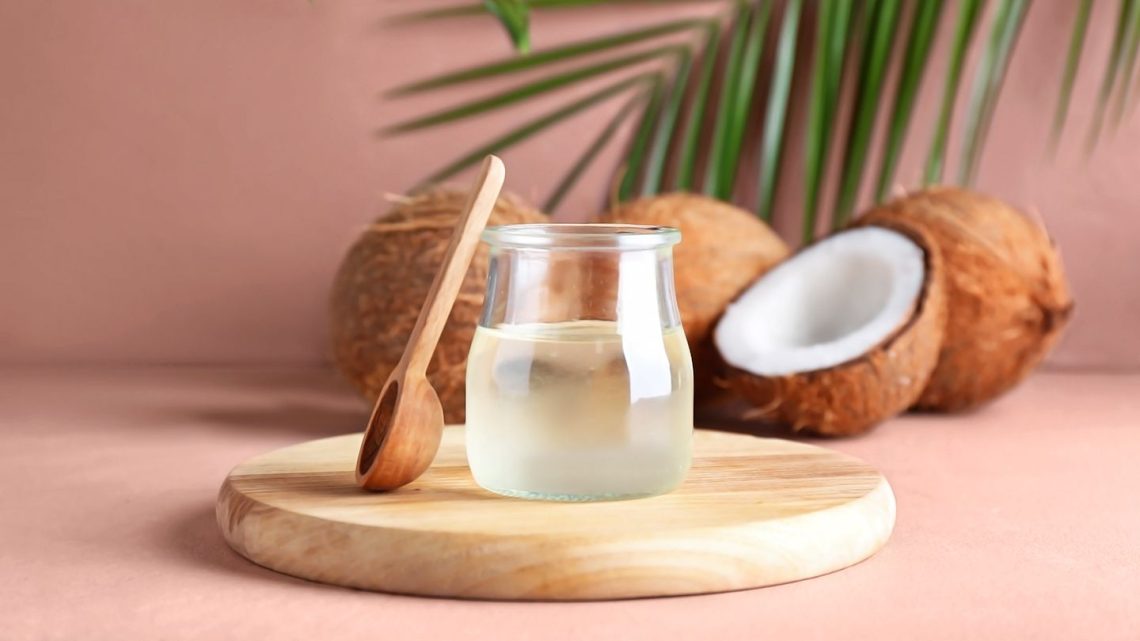
A very good example in this regard is a study showing that coconut oil contains, in a proportion of 50%, an active anti-cancer compound. This compound is called lauric acid, and in a study published in the journal Cancer Studies, researchers from the University of Adelaide discovered that it completely destroyed over 90% of colon cancer cells after just two days of treatment on a colon cancer cell line in vitro.
The study also indicates other research studies confirming that lauric acid can induce cancer cell death.
There are also experiments, according to reports from the United Nations University, conducted on animals, aimed at discovering how coconut oil can protect against cancer and which have already yielded some interesting results.
Unfortunately, clinical trials are very expensive, making it very difficult for researchers without access to funding to study the beneficial effects of lauric acid in relation to cancer. Despite multiple studies highlighting the need for more rigorous research, there simply isn’t money for it. Why? Because medical research is funded by pharmaceutical companies, and the products tested in human and animal clinical trials are those for pharmaceutical use, such as medications.
What already exists, produced by nature, cannot be patented. But medications can. Therefore, it is not in the interest of a pharmaceutical company to fund such a study, even though it would clearly be a gain for the rest of the population.
Lauric acid, the compound in coconut oil with the property of killing colon cancer, is also present in breast milk. It is a medium-chain fatty acid that supports the immune system and has many antimicrobial properties. Some consider raw, organic, virgin coconut oil a superfood that heals both cancer and other diseases, and studies like the one mentioned above support this belief.
According to the American Society for Nutrition, clinical studies have shown that the fats present in coconut oil (MCFAs) can be useful in treating and preventing diseases such as diabetes, osteoporosis, viral diseases (mononucleosis, hepatitis C, herpes, etc.), gallbladder diseases, Crohn’s disease, and cancer.
Coconut oil has been shown to reduce the side effects of chemotherapy and improve the quality of life for cancer patients.
There are many foods with potential to heal cancer, and it is truly overwhelming, while at the same time disappointing, that large pharmaceutical companies do not use their financial power to support research or to confirm results already obtained so far. As things stand now, 25% of the active ingredients in cancer medications are available only online, despite the fact that only 10% of the plants that are part of their composition have been studied for their medicinal properties.
According to studies published in Life Sciences, Cancer Letters, and Anticancer Drugs, artemisinin, a derivative of wormwood, commonly used in Chinese medicine, can kill cancer cells and does so at a rate of 12,000 cancer cells for every healthy cell.
Recently, bitter melon juice has been shown to kill pancreatic cancer cells in a study conducted at the University of Colorado.
There are hundreds and even thousands of such studies that justify the need for more detailed research on these possible alternative treatments.




