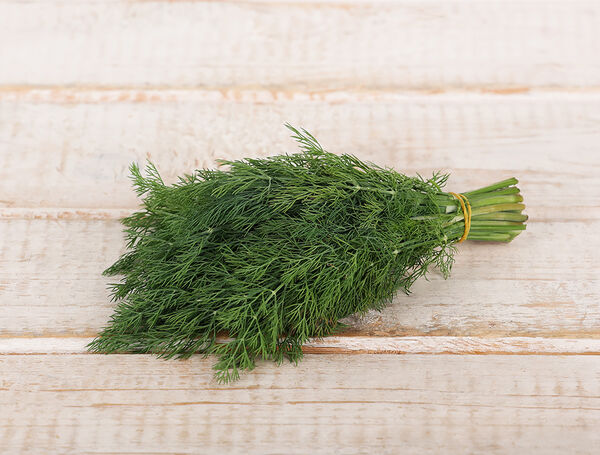
In the world of medicinal plants, dill (Anethum graveolens) is often underestimated. Although it is primarily known for its culinary role, this delicate plant hides remarkable therapeutic power. Cold maceration of dill seeds is a gentle yet effective remedy traditionally used to soothe digestive disturbances and calm the nervous system.
Detailed Benefits Explained
Digestive Soothing
Dill seeds contain volatile oils (especially carvone and limonene) that act on the smooth muscles of the intestines. Cold maceration preserves these active principles in an unaltered form, having a carminative and antispasmodic effect. Thus, it combats bloating, abdominal cramps, and postprandial discomfort.
A study published in Journal of Ethnopharmacology (2014) showed that the aqueous extract from dill seeds has antispasmodic effects comparable to synthetic medications used in the treatment of intestinal colic.
Mild Sedative Effect
Due to its content of flavonoids and aromatic compounds, dill maceration helps reduce mental tension and induce a restful sleep. Its action is gentle, without adverse effects on mental alertness, making it recommended in cases of mild insomnia, irritability, or nervous agitation.
Dr. Anca Mihilescu, phytotherapist: Dill acts subtly on the autonomic nervous system, having a calming and mildly hypnotic effect, especially when consumed as a cold maceration.
Gentle Diuretic
The maceration stimulates kidney function, helping to eliminate excess fluids from the body, being useful in mild edema and water retention.
Traditional Recipe: Cold Maceration of Dill Seeds
Ingredients:
-
1 tablespoon of dill seeds (dried, unground)
-
250 ml cold water (filtered or spring)
Preparation Method:
-
Place the seeds in a clean glass or jar.
-
Pour cold water over them.
-
Cover and let it macerate for 8-10 hours (preferably overnight).
-
Strain and consume the liquid on an empty stomach, in the morning or evening, depending on the desired effect.
For digestive effect: drink before meals. For sedative effect: drink 30 minutes before bedtime.
Contraindications and Precautions
-
Pregnancy: Frequent consumption or in large doses is contraindicated, as it may stimulate uterine contractions.
-
Allergies: Individuals sensitive to plants in the Apiaceae family (carrot, parsley) should test with caution.
-
Low Blood Pressure: Its mild hypotensive effect may be problematic in cases of chronic hypotension.
-
Administration in Children: Medical consultation is recommended before administration to children under 6 years old.
Relevant Studies and Research
-
The pharmacological activities of Anethum graveolens L.: A review, Iranian Journal of Basic Medical Sciences, 2015 highlights the carminative, sedative, and diuretic properties of dill.
-
Spasmolytic effect of dill (Anethum graveolens) on isolated guinea pig ileum, Journal of Ethnopharmacology, 2014 demonstrates the seeds’ ability to reduce intestinal spasms.
-
Comparative study on the sedative and anxiolytic effects of herbal extracts including dill, Avicenna Journal of Phytomedicine, 2017 emphasizes the calming effect of macerations from aromatic plants, including dill.




