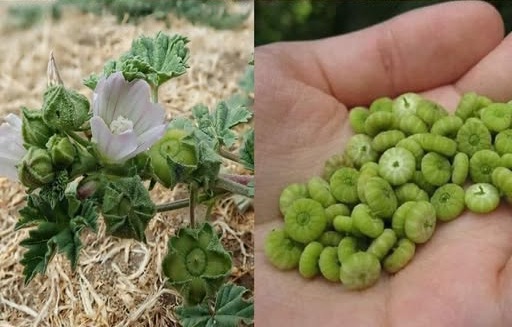
In gardens, along roadsides, through fields, and even near fences or abandoned houses, mallow, known in folk tradition as “the priest’s herb” or “God’s bread,” makes its presence felt with its delicate and velvety flowers. Although often overlooked, this plant is a true natural remedy with profound effects on health. In Romanian folk medicine, mallow has been valued for centuries for its emollient, anti-inflammatory, and healing properties. Modern science only confirms what our ancestors knew from experience.
Benefits
1. Soothing and Protective for Mucous Membranes
Mallow (Malva sylvestris) is rich in mucilage, a viscous substance that acts as a natural dressing for the mucous membranes of the throat, stomach, intestines, or even the bladder. Mallow tea soothes irritations, reduces inflammation, and promotes the regeneration of affected tissues.
A study published in the Iranian Journal of Basic Medical Sciences demonstrated that mallow extract significantly reduces chemically induced inflammation in the stomach due to its mucoprotective and antioxidant effects.
2. Real Help for Respiratory Conditions
Mallow is recognized for its effectiveness in bronchitis, dry cough, or respiratory tract irritations. Its mucilage forms a protective layer on the throat and reduces the urge to cough.
Herbalists often recommend it in expectorant syrups or in combination with plants such as plantain and thyme.
3. Heals Affected Skin
Applied externally, mallow soothes skin irritations, sunburns, eczema, hives, or inflammations. In the form of poultices or ointments, mallow leaves and flowers promote skin healing and reduce inflammation.
4. Gentle Laxative and Intestinal Emollient
For individuals with occasional constipation or irritable bowel syndrome, mallow can be a gentle yet effective remedy. It softens stools and reduces irritation in the colon.
How to Use It Correctly
Mallow Tea for Throat, Stomach, and Respiratory Tract
- Ingredients: 1 tablespoon of dried flowers and leaves to 250 ml of water.
- Preparation: Let it steep in cold water for 6-8 hours (to extract the mucilage), then gently heat and strain.
- Administration: Drink 2-3 cups a day before meals.
Poultices for Skin
- Crush fresh leaves and flowers, apply directly to the affected area (burns, eczema, irritations).
- Compresses with concentrated mallow infusion can also be used.
Soothing Syrup for Cough
- Prepare from mallow tea and natural honey. Administer 1 tablespoon, 3-4 times a day.
Contraindications and Precautions
- Avoid Overdosing: Excess can slow the absorption of other medications due to the mucilage forming a protective layer on mucous membranes.
- Not Recommended in Combination with Strong Laxatives: It may enhance their effects.
- Pregnant or Nursing Women: Should consult a doctor before use.
- Individuals allergic to plants in the Malvaceae family should exercise caution.
Mallow, with its sweet name “the priest’s herb” or “God’s bread,” is much more than a roadside flower. It is a true herbal panacea, a reliable ally for the skin, stomach, throat, and respiratory tract. When used correctly, it brings relief and supports the natural regeneration of the body, proving that the most powerful remedies often hide in the most modest plants.
Sources:
- Iranian Journal of Basic Medical Sciences Anti-ulcerogenic and Anti-inflammatory Effects of Malva sylvestris Extract
- National Center for Biotechnology Information Pharmacological and therapeutic properties of Malva species
- WebMD Marshmallow and Mallow Uses, Benefits, and Dosage
- Herbalist Statements: Conf. Dr. Ruxandra Constantina (specialist in family medicine and apitherapy)




