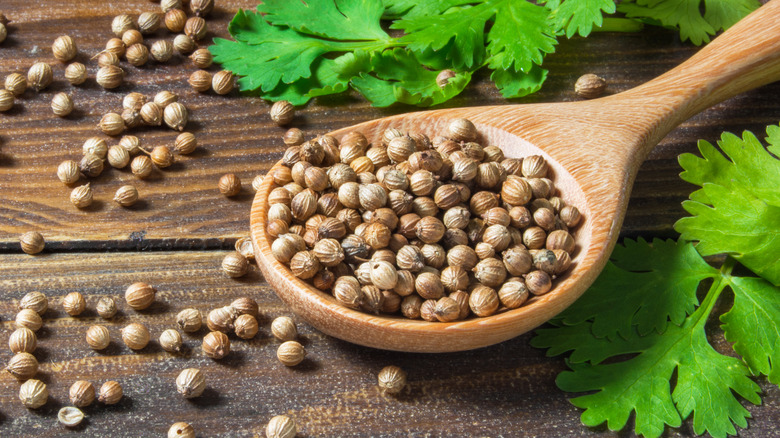
Coriander is widely used in traditional medicine, including for treating skin inflammation, high cholesterol levels, diarrhea, mouth ulcers, anemia, indigestion, menstrual disorders, conjunctivitis, skin disorders, and blood sugar issues.
This plant is used extensively around the world. It contains 11 essential oil components, 6 types of acids, including ascorbic acid (vitamin C), minerals, and vitamins.
Coriander has the ability to reduce skin inflammation. The essential oils and linoleic acid are abundantly present in coriander and have anti-rheumatic and anti-arthritic properties. They help reduce swelling caused by these two conditions. It is also beneficial for reducing inflammation due to kidney dysfunction or anemia, as its components contribute to inducing urination and eliminating excess water from the body.
The disinfectant, detoxifying, antiseptic, antifungal, and antioxidant properties of coriander are ideal for eliminating or alleviating skin conditions such as eczema, dryness, and fungal infections.
The acids present in coriander, such as linoleic, oleic, palmitic, and ascorbic acid, are very effective in reducing cholesterol levels in the blood. They also reduce the deposition of cholesterol along the inner walls of arteries and veins, preventing serious cardiovascular problems such as atherosclerosis, heart attacks, and strokes. More importantly, it helps to increase healthy cholesterol, which acts as a preventive barrier against a number of dangerous conditions.
The essential oils found in coriander aid digestion, proper liver function, and help reduce diarrhea. They are useful in treating diarrhea caused by microbial and fungal action. Coriander is becoming increasingly popular as a means of preventing nausea, vomiting, and stomach disorders due to its bioactive compounds.
Coriander consumption has been shown to reduce blood pressure in many patients suffering from hypertension.
Citronellol, a component of essential oils, is an excellent antiseptic. Additionally, other components have antimicrobial and healing effects in the mouth. They help accelerate the healing process of ulcers and prevent bad breath. Coriander is often used as an antiseptic component in many natural toothpaste formulations. Before the invention of toothpaste, people chewed coriander seeds to reduce bad breath.
It has a high iron content, which directly helps individuals suffering from anemia. Low iron levels in the blood can lead to heart palpitations, extreme fatigue, and decreased cognitive functions.
Studies have shown that it has antihistamine properties that can reduce the uncomfortable effects of seasonal allergies and hay fever. Coriander oil can be used to reduce allergic reactions caused by contact with plants, insects, animals, and other substances.
As a rich source of calcium, coriander has great value for maintaining strong bones. Calcium and other essential minerals found in coriander are integral components of bone regeneration and durability, as well as in preventing osteoporosis.
Coriander, due to the rich flavors of its essential oils, helps in the proper secretion of enzymes and digestive juices from the stomach, thus stimulating digestion and peristaltic movement. It is useful in treating anorexia.
Vitamin C and iron in coriander strengthen the immune system.
Coriander is a natural stimulant that regulates the proper secretion of endocrine glands, and this hormonal impact helps regulate menstrual cycles and reduces pain associated during this period.
Coriander is loaded with antioxidants, vitamins A, C, and minerals such as phosphorus, which help prevent vision disorders, macular degeneration, and reduce stress on the eyes.
Its powerful antioxidant effect has antimicrobial properties that protect the eyes from contagious diseases such as conjunctivitis.
Due to its stimulating effect on the endocrine glands, insulin secretion is increased. This regulates the assimilation and proper absorption of sugar in the blood, being extremely beneficial for those suffering from diabetes and other related conditions.
Coriander helps heal ulcers, inflammation, and spasms, while acting as an expectorant and protecting the liver.
It is anticarcinogenic and anticonvulsant.
It is considered a natural aphrodisiac, widely used in combination with other plants.
Attention! As with any food, there is a risk of allergic reactions on the skin. Some individuals have reported that excessive intake of coriander makes them more sensitive to sunburn, which could subsequently lead to skin cancer. Coriander seeds should not be used by individuals who suffer from sun sensitivity, as they may develop skin cancer! Excessive coriander can cause abdominal pain and affect appetite. Individuals undergoing long-term treatments with coriander seeds may develop respiratory issues, light sensitivity, and chest pain.




