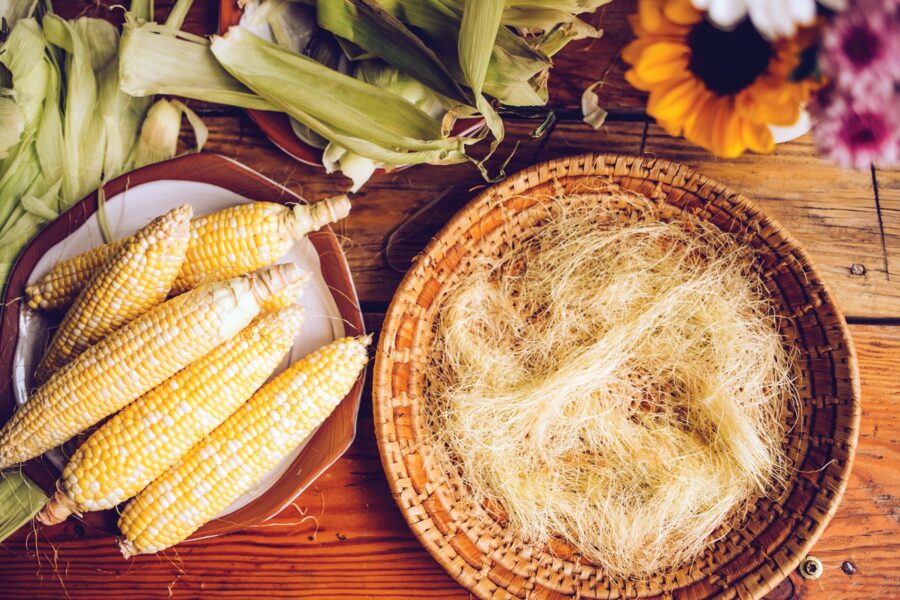
Corn silk (Zea mays stigma), the fine and silky part inside the corn husks, has been a valued natural remedy in folk medicine for centuries, but it is now attracting the interest of researchers worldwide. Rich in flavonoids, alkaloids, saponins, and tannins, corn silk is especially recognized for its diuretic effect, but recent studies have also associated it with other valuable benefits.
Benefits
1. Supports Kidney Function and Combats Water Retention
Corn silk is known for its diuretic effect, due to its potassium and flavonoid content, which stimulates the elimination of excess water from tissues. This helps in cleansing the kidneys, reducing inflammation, and preventing the formation of kidney stones.
A study published in Avicenna Journal of Phytomedicine (2012) showed that corn silk extract in rats significantly increased diuresis without affecting potassium levels, suggesting a safe diuretic effect.
Its action is beneficial in cases of edema, urinary infections, or hypertension caused by fluid retention.
2. Reduces Blood Sugar Naturally
The phenolic compounds in corn silk may help lower blood sugar by intervening in glucose metabolism. Studies indicate that it can improve insulin sensitivity and reduce oxidative stress involved in type 2 diabetes.
Research from Journal of Evidence-Based Complementary & Alternative Medicine (2017) highlighted that administering corn silk extract to diabetic subjects led to a decrease in blood glucose levels, comparable to the effect of metformin.
It is a natural ally for individuals with diabetes or prediabetes, but it should be used under medical supervision.
3. Soothes Inflammation of the Bladder and Urinary Tract
Corn silk has anti-inflammatory properties on the urinary tract, due to its flavonoids and organic acids that reduce irritation and promote the elimination of bacteria.
Studies show it has mild antibacterial effects and can reduce the frequency of painful urination in cystitis or urethritis.
It can be used in recurrent urinary infections, alongside other antiseptic plants.
4. Protects the Liver and Aids Detoxification
Corn silk helps eliminate toxins through urine and has a protective effect on the liver. Studies show a decrease in transaminase levels and an improvement in liver function in animals treated with corn silk extract.
A study published in Oxidative Medicine and Cellular Longevity (2014) demonstrated that flavonoids from corn silk have antioxidant and hepatoprotective effects, reducing lipid peroxidation and liver inflammation.
It is useful as an adjunct in detoxification regimens and in non-alcoholic fatty liver disease.
5. Improves Blood Pressure
Through its diuretic effect and potassium content, corn silk can help regulate blood pressure. The reduction in circulating fluid volume decreases pressure on blood vessels, while antioxidants contribute to the relaxation of vessels.
A study from Phytotherapy Research (2020) supported the antihypertensive effect in animals treated with corn silk extract.
It is useful for individuals with mild hypertension but does not replace prescribed medical treatment.
How to Use
Simple Tea:
- 1 tablespoon of dried corn silk in 250 ml of boiling water
- Infuse for 10 minutes, strain
- Consume 2-3 cups per day, between meals
Tincture (from pharmacy or homemade):
- 10-15 drops three times a day, diluted in water
Combined Infusion:
It can be combined with horsetail, bearberry leaves, or nettle for synergistic effects on the kidneys.
Contraindications
- Pregnant or breastfeeding women: may have mild uterine effects.
- Individuals with hypotension: the diuretic effect may lower blood pressure too much.
- Diabetics on treatment: may potentiate the effects of antidiabetic medications.
- Patients with severe kidney diseases: medical consultation is required before use.
- Allergies to corn: complete avoidance, including in tea form.
Sources:
- Avicenna Journal of Phytomedicine Evaluation of diuretic activity of corn silk in Wistar rats
- Journal of Evidence-Based Complementary & Alternative Medicine Antihyperglycemic effect of Zea mays silk extract
- Oxidative Medicine and Cellular Longevity Corn silk flavonoids protect against liver oxidative injury




