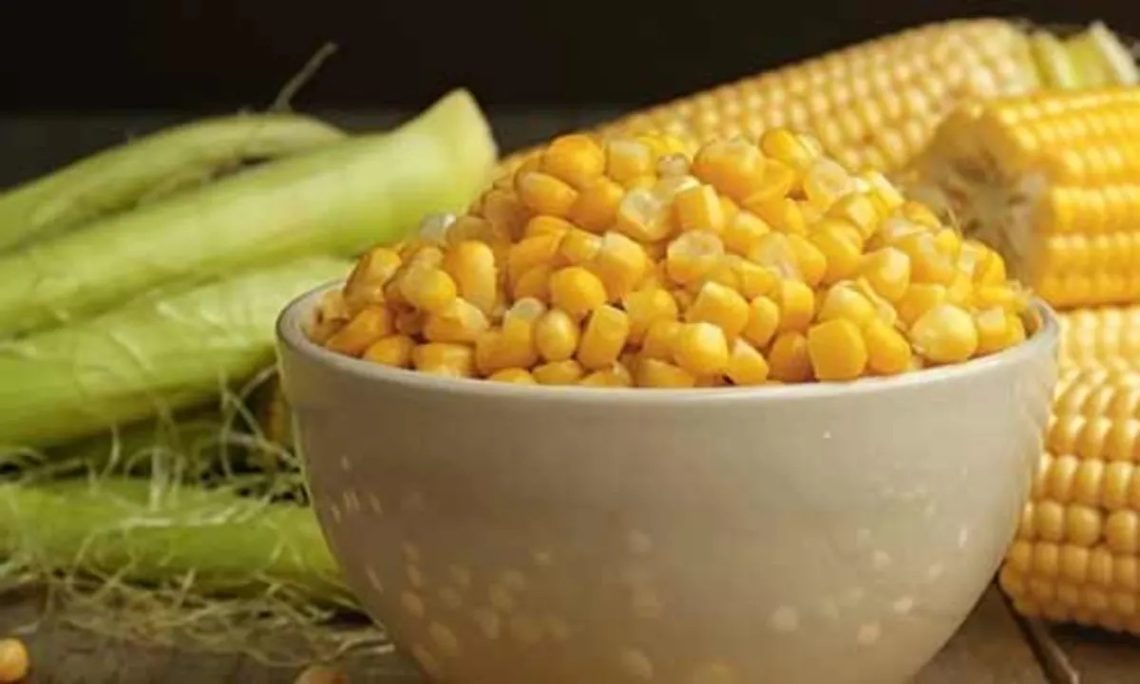
Whether it’s sweet corn on the cob or warm popcorn, corn is a favorite for all age groups. Not only does corn taste wonderful, but it also offers many health benefits. Did you know it can promote hair growth and effectively combat inflammation?
Corn: An In-Depth Perspective
Corn (Zea mays) is the edible grain (kernel) of the cereal plant belonging to the Poaceae family. This crop originated in America and is one of the most widely cultivated food crops in the world.
Corn is used as feed for animals, food for humans, biofuel, and raw material in various industries. The most popular varieties for consumption are yellow and white corn.
There are also varieties of corn with red, blue, pink, and black kernels.
Corn contains anthocyanins, coumarins, trihydroxybenzoic acid, vanillic acid, caffeic acid, ferulic acid, and hydroxyphenyl acetic acid.
Additionally, flavonoids such as quercetin, rutin, hirsutrin, morin, kaempferol, naringenin, hesperetin, zeaxanthin, lutein, and their derivatives are frequently found in this cereal.
Since corn is a treasure trove of phytochemicals, consuming it will provide a total health transformation.
The antioxidants present in corn help heal a wide range of diseases. Do you want to know which ones?
What are the benefits of consuming corn?
1. For Diabetes
Hyperglycemia (elevated blood glucose levels) leads to hypoxia (low oxygen levels in the blood). Hypoxia worsens when there are free radicals in the blood.
These free radicals or reactive oxygen species trigger tissue inflammation and unwanted cell proliferation.
The anthocyanins and flavonoids present in corn effectively eliminate free radicals. Additionally, they improve blood flow, protect pancreatic cells, increase insulin secretion and sensitivity, and prevent renal insufficiency.
2. For Weight Loss
Corn silk contains many essential flavonoids, tannins, saponins, alkaloids, sitosterol, along with calcium, potassium, and magnesium.
These phytochemicals in corn silk regulate the genes that control fat accumulation, differentiation of adipose cells (adipocytes), while simultaneously increasing the rate of lipolysis and fatty acid metabolism. This can help you lose weight.
3. For Reducing Inflammation
Inflammation is the way your body responds to threats such as pathogens, free radicals, heavy metals, toxic intermediates, overdoses, deficiencies, external stimuli, and any other unfavorable physiological stress.
The proteins and phytochemicals present in different parts of corn provide protection to your body from such pro-inflammatory agents. Corn gluten is one of these proteins. Flavonoids such as quercetin, naringenin, and lutein, along with anthocyanins, inhibit the activation of several pro-inflammatory genes and cellular mechanisms.
According to this theory, a diet rich in corn can reduce constipation, asthma, arthritis, irritable bowel syndrome, GERD, and dermatitis.
However, there is extensive evidence showing that corn can be a pro-inflammatory agent. This theory blames starch and fats!
4. For Iron Levels
Anemia develops as a result of iron deficiency in your body. A decrease in hemoglobin levels leads to several developmental issues. Anemic children experience stunted growth, delayed cognitive and psychomotor development, and a weak/underdeveloped immune system.
Incorporating corn or corn derivatives into your diet in the necessary quantities can resolve anemia-related issues, especially in children and women. Having optimal iron levels in the body is essential for the health of your eyes, hair, and skin.
5. For Physical Condition and Endurance
Carbohydrates are the best fuel for your body during prolonged exercise.
Additionally, corn has a moderate glycemic index of about 56 to 69.
The fibers and carbohydrates present in corn help build the body of your dreams. Although carbohydrates digest quickly compared to proteins or fats, they can be stored in cells for a long time without triggering inflammation. Therefore, corn is the solution, especially for athletes.
6. Improves Vision
Lutein and zeaxanthin are two carotenoids that play an important role in vision development. A deficiency of these carotenoids causes cataracts, macular degeneration, and age-related eye disorders.
Corn contains 21.9 g of lutein and 10.3 g/g of zeaxanthin, along with cryptoxanthin and beta-carotene.
When tested for their lutein content, white, yellow, blue, and red corn varieties showed that yellow corn is the richest (406 µg/100 g) while blue and white corn are the poorest (5.2 and 5.7 µg/).




