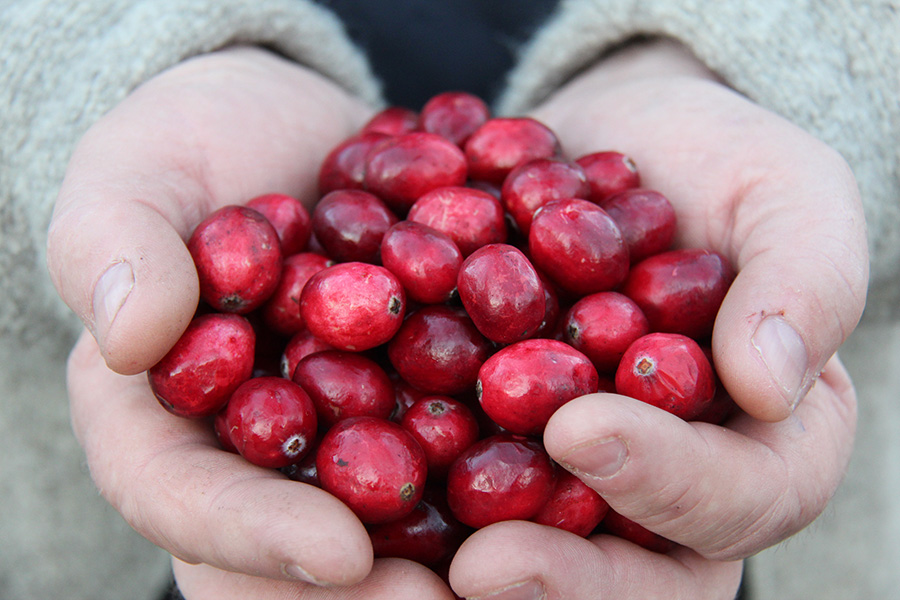
Cranberries are very healthy fruits due to their high content of nutrients and antioxidants. The nutrients found in cranberries have been linked to a lower risk of urinary tract infections, prevention of certain types of cancer, improved immune function, and reduced blood pressure.
They are rich in vitamins C, A, and K, copper, fiber, and manganese. They contain proanthocyanidins, antioxidants that help prevent many diseases. They include an amazing collection of phytonutrients, a low amount of calories and sugar, and are almost fat-free or sodium-free. Many of these phytonutrients provide antioxidant, anti-inflammatory, and anti-cancer benefits.
Benzoic acid has strong antiseptic properties and is the main compound in cranberries that reduces the risk of infection and can destroy harmful bacteria to naturally treat urinary tract infections and even acne.
Historically, they were used by Native Americans as a treatment for bladder and kidney diseases. They have been used for hundreds of years to treat poor appetite, stomach issues, blood disorders, and scurvy.
Research has shown that the nutrients in cranberries can help slow tumor progression and may have a positive impact on prostate, liver, stomach, lung, ovarian, and colon cancer.
The proanthocyanidins in cranberries can improve oral health. They prevent bacteria and gum diseases.
Vitamin C is a powerful natural antioxidant. According to the National Institutes of Health, this vitamin not only blocks some of the problems caused by free radicals but also improves iron absorption, stimulates the immune system, and helps produce collagen, which speeds up wound healing.
High amounts of fiber are associated with significantly lower risks for developing a range of health conditions, including coronary heart disease, strokes, hypertension, diabetes, obesity, and certain gastrointestinal diseases. Increased fiber intake has been shown to lower blood pressure and cholesterol levels, improve insulin sensitivity, and aid in weight loss.
Vitamin E is a fat-soluble antioxidant that is involved in immune function. It may help prevent or delay chronic diseases such as heart disease, cancer, cataracts, Alzheimer’s, and arthritis.
Inflammation occurs when the body’s immune system tries hard to rid the body of toxins that come from an unhealthy diet, pollution, or other sources. A diet with low amounts of antioxidant foods results in an abundance of free radicals in the body. We all have free radicals, but when they are left uncontrolled, they proliferate and can cause damage to DNA, cell membranes, and enzymes. These foods are associated with a lower risk of cancer, better brain function, and a reduction in the incidence of diabetes and autoimmune diseases.
Cranberries have diuretic, antiseptic, and detoxifying properties. They help the body eliminate toxins, relieve water retention, and bloating. Research has shown that they help balance bacteria throughout the digestive tract, acting similarly to how yogurt or kefir creates a healthy intestinal flora. Cranberries reduce harmful bacteria and promote the growth of good bacteria. This not only relieves constipation, diarrhea, and gastric acid but also helps stimulate immunity and nutrient absorption.
The cardiovascular benefits of cranberries come from the impact of antioxidants and anti-inflammatory phytonutrients. Studies show that one serving a day prevents the activation of two enzymes that are essential in the development of heart diseases. Cranberries are a natural way to reduce the risk of heart attack or stroke, as they dilate blood vessels, reduce inflammation, and increase blood flow.
Attention! Because they are a significant source of vitamin K, individuals using blood thinners should consult their doctor before consuming them.
Cranberries can lead to a higher excretion of oxalate in urine. People with a history of kidney stones should consult their doctor before introducing cranberries into their diet.




