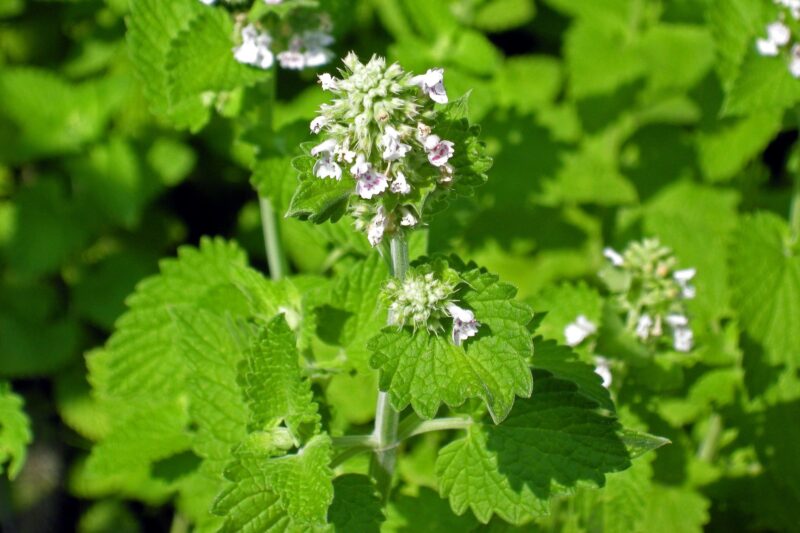
Known also as catnip, Ctunica (Nepeta cataria) is an aromatic medicinal plant from the Lamiaceae family, valued both for its calming properties and for its surprising effect on cats. In European folk medicine, it was used to soothe colic in children, combat insomnia, and relieve stomach pains. Today, modern research is beginning to confirm what our grandparents have long known: catnip is a precious ally for inner balance.
The plant contains essential oils (especially nepetalactone, the main active compound), tannins, flavonoids, phenolic acids, vitamin C, and minerals such as calcium, magnesium, and potassium.
Therapeutic Benefits
1. Calming for the nervous system
Nepetalactone, the active component of the plant, has a natural sedative effect on the central nervous system. Studies conducted on animals and cellular models show that this compound stimulates GABA receptors, having a similar effect to valerian, but milder. It is useful in cases of:
- anxiety,
- panic attacks,
- nervousness, or
- hyperactivity.
2. Remedy for insomnia
Catnip tea is a traditional remedy for insomnia. It helps with falling asleep and improves sleep quality without causing dependency or daytime drowsiness. It is especially recommended in cases of sleep disturbances caused by stress or intellectual overexertion.
3. Digestive antispasmodic
The flavonoids and tannins contained help relax the smooth muscles of the intestines, reducing bloating, abdominal cramps, and colic, including in infants (under medical supervision). It has a mild carminative effect and aids digestion.
4. Support in colds and flu
It has a diaphoretic effect (promotes sweating) and a mild antipyretic effect, being useful in flu-like conditions with moderate fever. The essential oil also has antiviral and antibacterial properties.
5. External use: anti-inflammatory and skin soothing
The concentrated infusion can be used in the form of compresses for:
- insect bites
- skin rashes
- irritated skin.
Ways to use and recipes
Tea for insomnia and anxiety
Ingredients:
- 1 tablespoon of dried catnip leaves
- 250 ml hot water
Preparation method:
Add the plant to boiling water, cover, and let steep for 10-15 minutes. Strain and consume in the evening, 30 minutes before bedtime.
Optional: You can add a tablespoon of honey and a few drops of lemon juice.
Catnip tincture
Ingredients:
- 100 g dried plant
- 500 ml 40% food-grade alcohol
Preparation method:
Let it macerate for 14 days, shaking daily. Strain and store in a dark glass bottle.
Dosage: 20 drops 2-3 times a day, diluted in water, for calming mental tension and digestive spasms.
Relaxing bath with catnip
Ingredients:
- 2-3 handfuls of dried plant
- 2 liters of water
Preparation method:
Boil the plant for 5-10 minutes, strain, and add to the bathwater. Ideal for restless children or stressed adults.
Contraindications and precautions
- Not recommended during pregnancy, as it may stimulate uterine contractions.
- Contraindicated for individuals with severe liver conditions or those on sedative treatment (it may enhance the effect).
- Avoid long-term use (over 3-4 consecutive weeks) without a break.
- In young children, use only with a doctor’s approval.
- Do not combine with alcohol or other sedative plants (valerian, hops, passionflower) without medical consultation.
Catnip is a plant with excellent therapeutic potential, especially for mild nervous and digestive disorders. Its effects make it suitable for sensitive individuals, and recent studies confirm many of its traditional uses. As always, correct and informed use is the key to a successful natural treatment.




