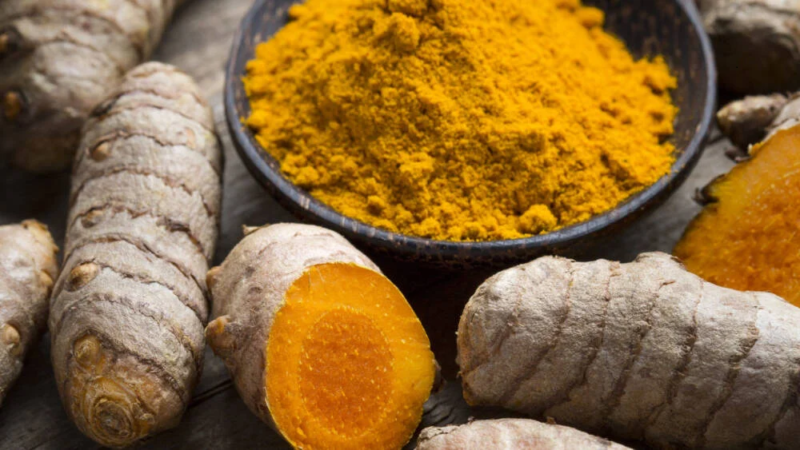
Under the name of Indian gold, curcuma (or turmeric) has become one of the most appreciated spices and natural remedies worldwide. But what is this plant really, how is it used correctly, and what is the difference between the terms curcuma and turmeric?
Curcuma vs. Turmeric: Is There a Difference?
Many use the terms curcuma and turmeric as synonyms, and they are not completely wrong. Both refer to the yellow-orange root of the plant Curcuma longa, namely:
- Curcuma is the scientific name and is frequently used in the pharmaceutical or botanical field.
- Turmeric usually refers to the powder obtained from the dried and ground root.
Thus, we are talking about the same plant, but under different names depending on the context in which it is used.
Active Composition
The key ingredient in turmeric is curcumin, a polyphenol with anti-inflammatory, antioxidant, and antimicrobial action. Other important substances include:
- volatile oils (turmerone, zingiberene)
- vitamins (C, E, B6)
- minerals (potassium, iron, manganese)
Detailed Benefits and How It Works
Deep and Natural Anti-inflammatory
Curcumin inhibits the enzymes that trigger chronic inflammation (COX-2 and LOX). It is particularly effective in conditions such as rheumatoid arthritis, ulcerative colitis, or autoimmune diseases.
Liver Detoxifier
It helps stimulate the gallbladder and eliminate toxins from the liver. It supports liver regeneration in cases of excessive medication or alcohol consumption.
Neuroprotective and Natural Antidepressant
Curcumin crosses the blood-brain barrier, reducing brain inflammation and stimulating the secretion of serotonin and dopamine.
Support in Cancer Prevention
In vitro and animal studies have shown that curcumin can inhibit the proliferation of tumor cells, especially in cases of colon, breast, and skin cancer.
Improvement of Digestion and Regulation of Transit
It stimulates bile production and promotes faster and more complete digestion, being useful in dyspepsia or chronic bloating.
Simple and Effective Recipes
1. Turmeric Milk (Golden Milk)
Ingredients:
- 250 ml plant-based milk (or cow’s milk)
- 1 tablespoon turmeric
- 1/4 teaspoon cinnamon
- a pinch of black pepper (to enhance curcumin absorption)
- 1 tablespoon honey
Heat the ingredients without boiling, and consume in the evening for relaxation and anti-inflammatory effects.
2. Turmeric Paste
Ingredients:
- 1/4 cup turmeric powder
- 1/2 cup water
- 1/2 teaspoon black pepper
- 2 tablespoons coconut oil
Boil the ingredients until a paste forms. It can be consumed 1 tablespoon per day or added to soups, smoothies, or teas.
3. Turmeric and Ginger Tea
- 1 tablespoon turmeric
- 1 slice of fresh ginger
- 250 ml water
- lemon juice
Boil for 10 minutes and consume warm, ideally in the morning.
Contraindications
- Pregnancy and breastfeeding: high doses may stimulate uterine contractions.
- Coagulation disorders: curcumin has anticoagulant effects and may interfere with medication.
- Gallstones: stimulates bile secretion, which may worsen symptoms.
- Drug interactions: may reduce the effect of certain medications, including antacids, anticoagulants, and chemotherapy drugs.
It is recommended to consult a doctor before using it for therapeutic purposes, especially in the case of chronic diseases or ongoing treatments.




