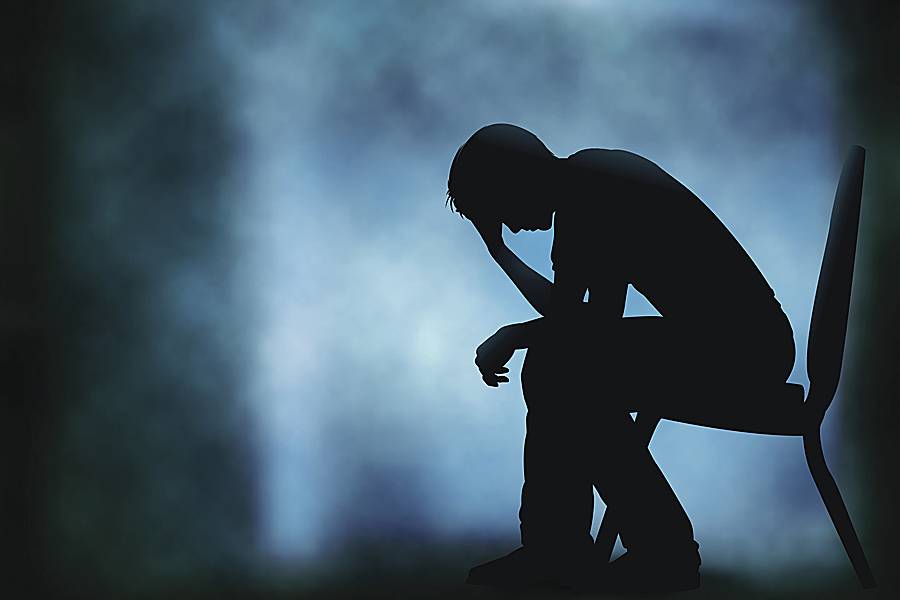
Depression is a pervasive illness that affects daily life, the body, mood, and thoughts. It is a common mood disorder that affects millions of people worldwide. While feeling sad or depressed occasionally is perfectly normal, when this state persists for weeks or months, it may be diagnosed as clinical depression.
There are several forms of depression, including:
* Major depressive disorder: affects how you think, feel, and act. This type hinders the normal functioning of a person’s activities.
* Dysthymic disorder or dysthymia: this type manifests over the long term, and individuals rarely experience moments of happiness, are more pessimistic, and have a bleak outlook on life.
* Bipolar disorder: this is a manic-depressive illness characterized by mood swings from happiness to extreme sadness.
There are also other forms of depression, including:
* Psychotic depression: a subtype of major depression that occurs when a severe depressive illness includes a form of psychosis. Psychosis may be represented by hallucinations (such as hearing a voice telling you that you are worthless or valueless).
* Postpartum depression: experienced by women after childbirth.
* Seasonal affective disorder: usually begins during winter when there is less natural sunlight.
Causes
Factors related to depression include hereditary, biological, and environmental factors, as well as significant life events such as physical illness, the loss of a family member, or job loss. It is also linked to certain substances, such as excessive alcohol and drug use, as well as other hormonal fluctuations. These biological causes of depression can be attributed to neurotransmitters, which are chemical messengers in the brain.
Hormones in the body are also among the reasons for the onset of these illnesses. Hormonal changes due to menopause, thyroid issues, or other medical conditions can trigger this condition.
Symptoms
Symptoms of depression can vary from person to person. They include:
– loss of interest in engaging in normal daily activities
– insomnia, excessive sleeping, and sleep disturbances
– irritability
– increased or decreased appetite
– reduced energy and agitation
– prolonged sadness and lack of feelings
– slow speech, slow body movements, and slow thinking
– reduced concentration
– feelings of despair and hopelessness
– feelings of guilt
– dark thoughts
Depressed individuals find it difficult to make even the simplest decisions. Unexplained physical problems, such as back pain and headaches, may also arise. Depressed individuals may have difficulty maintaining normal relationships. Proper treatment can provide significant help to most people in this situation. Do not hesitate to seek help from a specialized doctor.
There are also some foods that may help you feel better. Remember, the human body is a machine that starts to malfunction when it lacks what it needs. If you find yourself in this situation, you can consume more: nuts, hazelnuts, almonds, currants and berries, fish, beans, lentils, chickpeas, dark chocolate and cocoa powder, tomatoes, pumpkin seeds, and turmeric.




