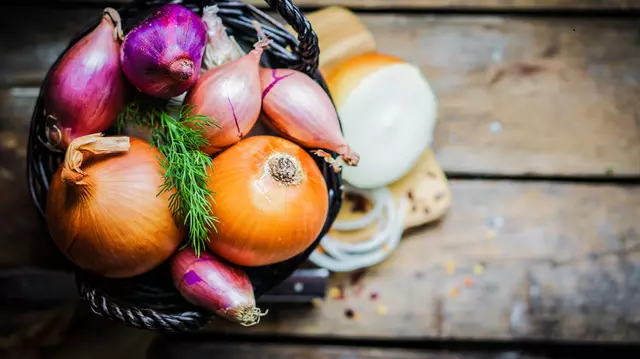
Red onion, also known as purple onion, is a vegetable appreciated for its mildly sweet taste and vibrant color, which can transform any dish into a unique visual and culinary experience. With a reddish-purple skin and white flesh, red onion is an essential food in kitchens around the world, used both raw and cooked.
Origin and geographical spread of red onion
According to researchers, onion may be one of the first vegetables cultivated by humans, with a history spanning thousands of years. Many historians and archaeologists believe this plant originates from Central Asia, but other studies indicate Iran and Western Pakistan as the places where onion was first cultivated. The consumption of wild onion is thought to have begun long before the advent of agriculture and writing, as onion is a resilient food, easy to transport, and capable of surviving in various soil and climate conditions.
This versatility made onion an essential part of the prehistoric human diet. Being more resistant to perishability compared to other foods, onion became one of the first agricultural products cultivated and transported over vast areas. Thus, over the centuries, onion has been cultivated worldwide, and today, it is a ubiquitous ingredient in traditional cuisines from every corner of the globe.
Major global onion producers
According to data from the United Nations Food and Agriculture Organization in 2022, the largest onion producers globally are India and China.
Other important countries in onion production include the United States, Egypt, Bangladesh, and Pakistan, which rank second in this classification. In the United States, California is the leader in onion production, followed by states such as Oregon, Washington, and Idaho. These regions produce significant volumes of onions due to favorable climates and fertile soils that allow crops to thrive.
Benefits of consuming red onion
Nutritionally, red onion is an excellent source of fiber and vitamin C, also containing vitamin B6, potassium, magnesium, manganese, and calcium. Additionally, red onion is rich in antioxidants, and its sulfur compounds are recognized for their potential in inhibiting the development of cancer cells. Regular consumption of red onion can bring a number of important health benefits, including:
Antioxidant effects: Red onion is rich in antioxidant compounds that help protect the body against oxidative stress and free radicals.
Support for heart health: Studies suggest that the antioxidants and sulfur compounds in onion may help maintain cardiovascular health by reducing inflammation and improving blood circulation.
Strengthening the immune system: Consuming red onion may support the immune system by reducing inflammation and combating bacteria and viruses.
Improvement of digestion and intestinal health: The fiber in onion contributes to better digestion and supports gut flora, promoting the overall health of the digestive system.
Regulation of blood sugar levels: Certain compounds in onion have been studied for their ability to regulate blood sugar levels, making them useful in the prevention and management of diabetes.
Bone health: Vitamin C and other nutrients in onion may contribute to improving bone density and maintaining bone health in the long term.
The role of red onion in gastronomy
Due to its unique taste, red onion is an essential component of many culinary dishes. When raw, it adds a crunchy note and a strong flavor to salads, sandwiches, and sauces. When cooked, red onion takes on a sweeter taste and becomes soft, providing a rich texture and flavor to dishes. The caramelization process, achieved by cooking onion slowly over low heat, helps intensify the natural sugars in the onion, transforming it into a delicious garnish for various meals.
In traditional cuisines, red onion is used in recipes such as French onion soup and pissaladière, a French tart with caramelized onion. In India, red onion is often used in spicy chutneys, while in Latin America, it frequently appears in flavorful sauces and dips. Additionally, red onion can be used to make jams or pickles, thanks to its versatility and distinctive flavor.
Storage and preservation methods
To maximize the freshness of red onion, it should be stored in a cool, dry, and dark place. Exposure to light and moisture can accelerate the sprouting process, thus reducing its shelf life. Fresh onion can be stored in the refrigerator and consumed within a week. For longer storage, caramelized or raw onion can be frozen without issues, and its flavor remains almost intact.
Interesting facts about red onion
Red onion is surrounded by myths and traditions, having an impressive history in many cultures. Here are a few lesser-known facts about this versatile vegetable:
Role in ancient Egyptian culture: Ancient Egyptians revered onion, believing its spherical shape and concentric rings symbolized eternity. It was used in burial rituals, included alongside pharaohs to ensure their success in the afterlife.
Use in the Middle Ages: During that period, onion also had economic value, being used as currency for paying rents, goods, and services.
The Big Onion: Before being known by this name, the city of New York was nicknamed The Big Onion, a place where layers could be peeled away to reach the core, a metaphor for the complexity of the city.
Thus, red onion not only adds flavor and texture to dishes but also comes with a multitude of health benefits and holds an important place in the history of humanity.




