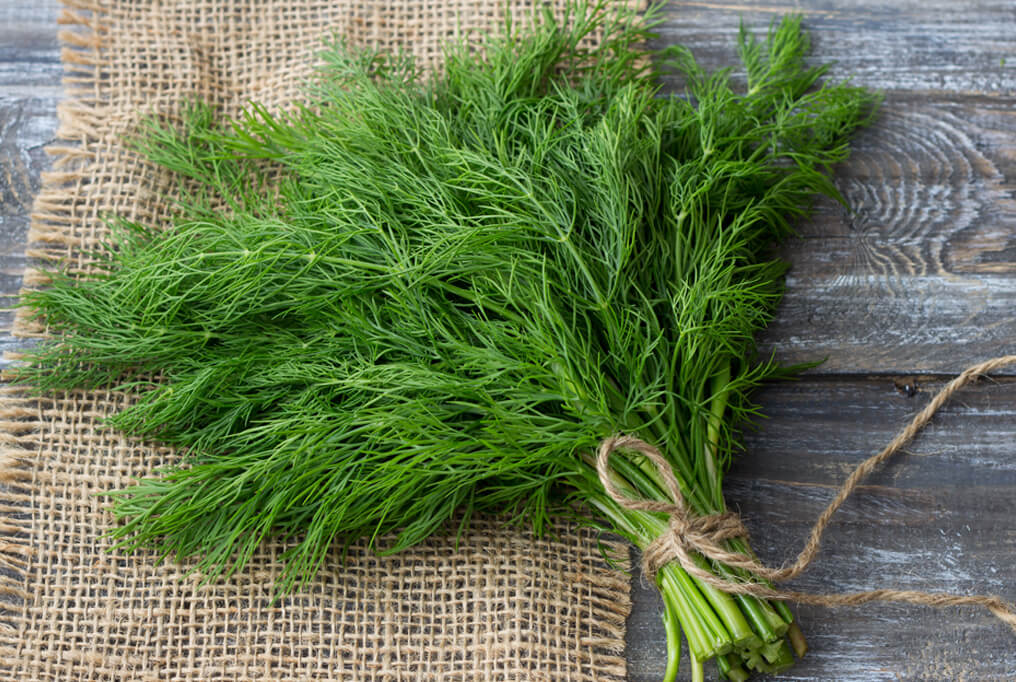
The health benefits of dill include the ability to stimulate digestive health, as well as alleviate insomnia, hiccups, diarrhea, dysentery, menstrual disorders, respiratory issues, and cancer. It is good for oral hygiene, can boost the immune system, and may protect against bone degradation. It contains an anti-inflammatory substance, which means it can protect against arthritis. Furthermore, it can reduce excessive gas.
The health benefits of dill are derived from organic compounds, vitamins, and minerals. It contains a significant amount of vitamins A and C, as well as substantial quantities of folate, iron, and manganese.
The essential oils present in dill stimulate the secretion of bile and digestive juices. These oils promote intestinal movement and prevent constipation.
The flavonoid complexes and vitamin B present in its essential oils activate the secretion of certain enzymes and hormones that have calming effects, providing a better sleep.
The calcium content in dill is an important element in protecting bones. Osteoporosis affects millions of people each year, and calcium, along with other essential minerals, is a key component in the proper growth and development of bones, as well as in the repair of damaged bones.
Studies have shown that dill may help reduce fluctuations in serum lipids and insulin levels in corticosteroid-induced diabetes.
Dill has long been associated with antimicrobial activity and has been shown to prevent a range of microbial infections throughout the body, both in various organs and on the skin.
Diarrhea is primarily caused by two things: indigestion and microbial action. Regarding indigestion, dill can be quite useful as it has very good digestive properties. It helps heal diarrhea by inhibiting microbial infections that attempt to attack the body.
Dill has been known for a long time as an anti-inflammatory plant, which means it helps reduce inflammation and pain associated with conditions such as arthritis. It has been used for this reason since ancient times.
The flavonoids in dill stimulate the secretion of certain hormones that help maintain proper menstrual cycles.
Other components found in dill are anti-congestive and antihistaminic, contributing to clearing congestion in the respiratory system due to histamine, allergies, or cough.
It acts against microbial infections in the mouth and antioxidants minimize damage caused by free radicals to the gums and teeth.
Dill is particularly effective in neutralizing free radicals, protecting the body against cancer.
Dill improves urination, thus helping to remove toxins, excess salts, and water from the body. Moreover, it is carminative and antispasmodic. It stimulates lactation and endocrine secretions.




