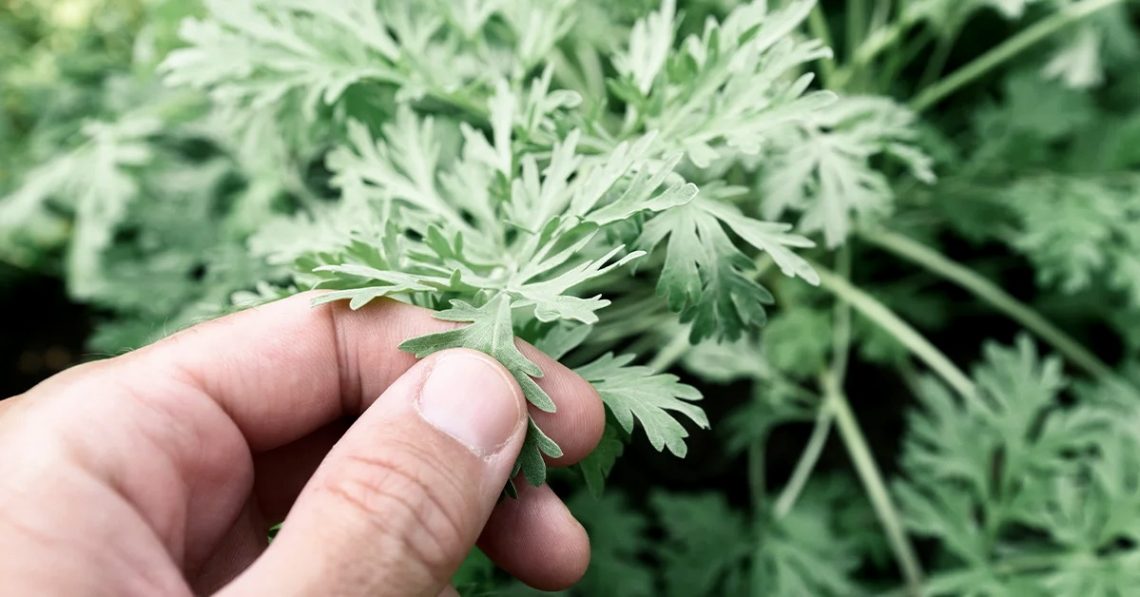
Wormwood (Artemisia absinthium) is a perennial plant with gray-green leaves and yellow flowers, primarily known for its use in the production of absinthe, a bitter and potent alcoholic beverage. It is native to the temperate regions of Europe but can also be found in other parts of the world.
Wormwood has been used throughout history for medicinal and culinary purposes. Its leaves and stems contain essential oils, particularly thujone, which give the plant a bitter taste and antimicrobial properties. Wormwood has been traditionally used to treat various ailments, including digestive issues, intestinal parasites, and fever. However, it is important to note that its use as a medicinal plant requires caution and consultation with a health specialist, as it can have side effects and contraindications.
Wormwood has been used in folk medicine as a natural remedy for a range of ailments. Nevertheless, it is crucial to mention that the use of wormwood for medicinal purposes should be done with caution and under the supervision of a health specialist, as it can have side effects and contraindications.
Here are some traditional uses of wormwood as a natural remedy:
1. Digestive Issues:
Wormwood is known for its carminative, antispasmodic, and digestive-stimulating properties. It is believed to help alleviate symptoms of indigestion, bloating, colic, and abdominal cramps.
2. Intestinal Parasites:
One of the traditional uses of wormwood is in combating intestinal parasites, such as pinworms and giardia. The active substances in wormwood are thought to have antiparasitic properties.
3. Appetite Stimulation:
Wormwood has been used to stimulate appetite, especially in individuals with weight loss or low appetite.
4. Irregular Menstruation:
In folk medicine, wormwood has been used to regulate the menstrual cycle and alleviate associated symptoms, such as menstrual pain and heavy bleeding.
5. Respiratory Ailments:
Some traditional uses of wormwood include treating coughs, bronchitis, and respiratory infections. Wormwood is believed to have expectorant and antiseptic properties.
6. Antimicrobial Properties:
Wormwood contains essential oils with antimicrobial properties. These properties may help inhibit the growth and spread of bacteria and fungi.
7. Anti-inflammatory Properties:
Certain components of wormwood may have anti-inflammatory effects, which can be useful in reducing inflammation associated with conditions such as arthritis.
8. Immune System Stimulation:
Wormwood may have a stimulating effect on the immune system, helping the body to more effectively combat infections and diseases.
9. External Use:
Wormwood oil can be used topically to treat various skin conditions, such as wounds, ulcers, skin irritations, and mycoses.
Forms of Using Wormwood May Include:
Wormwood Tea:
Dried wormwood leaves and stems can be used to prepare a tea. Add a tablespoon of dried plant to a cup of hot water and let it steep for 10-15 minutes. It is important to adhere to the recommended dosages and not exceed the suggested periods of use.
Wormwood Extract:
It can be purchased in liquid extract or capsule form. It is important to follow the manufacturer’s instructions and consult a specialist before use.
It is essential to emphasize that the use of wormwood for medicinal purposes should be done with caution and under the supervision of a doctor, as it can have side effects and contraindications. Excessive or improper use of wormwood can be dangerous to health.
Contraindications and Precautions:
Wormwood has certain contraindications and precautions and is not suitable for everyone. Here are some situations in which the use of wormwood is contraindicated:
Pregnant and breastfeeding women: Wormwood can be toxic and may cause miscarriage or other complications during pregnancy. Additionally, the active substances in wormwood can pass into breast milk and affect the baby.
Children: The use of wormwood is not recommended for children, as they may be more sensitive to its effects and may experience adverse reactions.
Individuals with sensitivity or allergy to plants in the Asteraceae family: Wormwood belongs to the Asteraceae family, which also includes other plants such as ragweed, mugwort, and daisies. Individuals with sensitivity or allergy to these plants may develop allergic reactions to wormwood as well.
Individuals with liver or kidney conditions: Wormwood may exert additional pressure on the liver and kidneys. Therefore, it is contraindicated for individuals with severe liver or kidney conditions.
Individuals with bleeding disorders or those taking anticoagulant medications: Wormwood may interfere with blood clotting and increase the risk of bleeding. Individuals with bleeding disorders or those taking anticoagulant medications should avoid using wormwood.
Since wormwood can interact with certain medications and may have side effects, it is always recommended to consult a doctor before using it as a natural remedy. A medical professional can assess your individual situation and provide appropriate and personalized advice.




