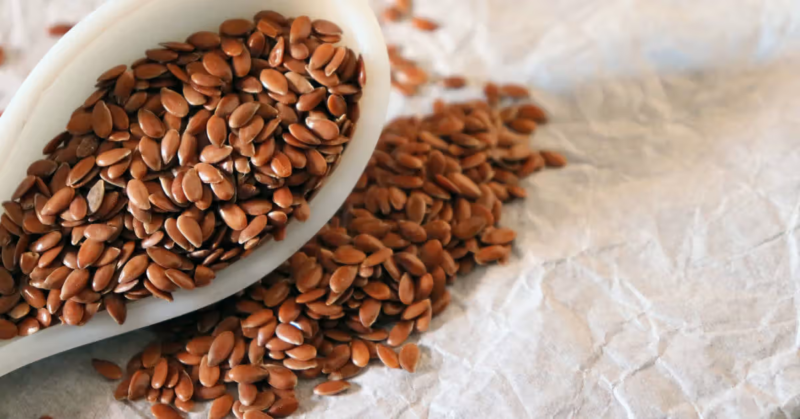
Flaxseeds have been extensively studied for their benefits on hormonal health, but few medical professionals have spoken with as much passion and scientific grounding on this topic as Dr. Michael Greger, founder of NutritionFacts.org. In several conferences and articles, he draws attention to the extraordinary role that flaxseeds can play in preventing breast cancer, a condition that remains one of the leading causes of mortality among women.
What Does Dr. Michael Greger Say About Flaxseeds?
Dr. Michael Greger frequently emphasizes that just one tablespoon of flaxseeds per day can significantly reduce the risk of breast cancer. In a dedicated episode on NutritionFacts.org, he states:
Women who consume flaxseeds have a lower breast density, which is an important marker for a reduced risk of breast cancer.
(SOURCE: Flax Seeds for Breast Cancer Prevention)
Furthermore, he adds that lignans in flaxseeds, certain phytoestrogen compounds, can block estrogen receptors and inhibit the development of hormone-dependent cancer cells:
The lignans in flaxseeds are converted by gut flora into active compounds that have selective anti-estrogenic effects, inhibiting the growth of breast tumors.
(Dr. Greger, NutritionFacts Daily Dozen)
1. Manipulation of Gut Microbiota With Flaxseed Could Reduce Breast Cancer Risk
(Microbiology Spectrum, December 2023)
This preclinical study, published in Microbiology Spectrum, examined how flaxseed consumption influences breast cancer risk through the gut microbiome. The research team administered lignans extracted from flaxseeds to certain female rodents, observing significant effects on the intestinal bacterial flora, particularly in the cecal area. It was found that this microbial change influences the expression of certain miRNAs (micro-RNAs) directly involved in breast cancer development. These micro-RNAs regulate essential genes for the proliferation, differentiation, and migration of tumor cells. The observed changes in gene expression suggest a protective effect of lignans at the breast gland level. The importance of this study lies in its connection between nutrition, microbiome, and gene expression as a crucial axis for cancer prevention. Researchers believe that by manipulating the microbiome with functional foods like flaxseeds, non-invasive strategies for reducing oncological risk can be developed. Although the study was conducted on animals, the results are promising enough to justify the initiation of human clinical trials. This is one of the first studies demonstrating that the preventive effect of flaxseeds is not only hormonal but also genetic and bacterial.
2. Combining Flax Lignans with PD1/PDL1 Inhibitors
(ScienceDirect, 2025)
The study published in 2025 in ScienceDirect explores an innovative concept: enhancing immunotherapy in breast cancer by adding lignans from flaxseeds. In experiments conducted on animal models with breast tumors, researchers observed that administering lignans improved the efficacy of PD1/PDL1 inhibitors, a class of immunotherapies commonly used in oncology. The mechanism of action involves both a more effective activation of the immune response and a remodeling of the gut microbiome, resulting in a more receptive immunological state in the body. Additionally, an increase in tumor infiltration with cytotoxic T cells (CD8+) was observed, suggesting that lignans play an active role in stimulating anti-tumor immunity. This synergistic action between compounds in flaxseeds and immuno-oncological therapy is considered a potentially revolutionary discovery. The study is in the preclinical phase but paves the way for more effective combined therapies with reduced toxicity. Moreover, lignans not only improve treatment efficacy but may also reduce systemic adverse reactions of immunotherapy due to their anti-inflammatory effect. Flaxseeds could become not only a preventive food but also a valuable ally in modern oncological treatments.
3. The Role of Flaxseed in Improving Human Health
(PubMed Central PMC, 2023)
This scientific analysis was published in 2023 on the PMC (PubMed Central) platform and synthesizes the latest data regarding the role of flaxseeds in maintaining health, with a focus on breast cancer prevention. Among the most relevant conclusions is the ability of lignans to enhance chemotherapy efficacy, increasing the cytotoxic effect on breast cancer cells. In laboratory tests (in vitro), lignans increased the sensitivity of tumor cells to conventional treatments by inducing apoptosis and reducing cell proliferation. The study also highlights that lignans can act selectively, meaning they affect tumor cells without harming healthy cells. Additionally, significant antioxidant and anti-inflammatory effects were identified, contributing to the reduction of oxidative stress associated with cancer. Another noted aspect was the balancing of circulating estrogen levels, which is essential in hormone receptor-positive breast cancer. The authors suggest that if administered correctly (ground and in moderate doses), flaxseeds can become a safe and effective adjunct in oncological protocols. Although clinical data are still limited, preclinical evidence supports the introduction of these seeds into dietary regimens for cancer patients. Collaboration between nutritionists, oncologists, and researchers is recommended to validate and apply these findings in hospitals.
How Flaxseeds Act in Breast Cancer Prevention
- Regulate hormonal balance: lignans act as phytoestrogens and competitively bind to estrogen receptors, preventing endogenous estrogens (associated with increased cancer risk) from stimulating breast cells.
- Reduce chronic inflammation: flaxseeds contain omega-3 fatty acids (ALA), with strong anti-inflammatory effects that reduce the environment conducive to tumor development.
- Act as antioxidants: lignans neutralize free radicals, thereby reducing DNA damage in breast cells.
- Improve gut health: a healthy microbiome promotes the conversion of lignans into active compounds, supporting hormonal protection.
Recommended Usage
Quantity: 1-2 tablespoons per day
Form: freshly ground (whole seeds pass undigested)
Administration: in smoothies, yogurt, salads, oatmeal, cream soups
Dr. Greger includes flaxseeds in his Daily Dozen list of foods that should be consumed daily for optimal health.
Contraindications and Precautions
- Individuals with severe hormonal conditions (e.g., endometriosis, uterine fibroids) should consult a doctor before consumption.
- Pregnant women: moderation is recommended, as the effects of phytoestrogens on pregnancy are still being studied.
- Rare allergies to flaxseeds may occur, with symptoms such as nausea, vomiting, and skin rashes.
- Interactions with anticoagulants: high doses of flaxseeds may have a mild anticoagulant effect, so caution is advised when combined with treatments like warfarin.
Sources
- Flax Seeds for Breast Cancer Prevention
- Dr. Greger’s Daily Dozen Checklist
- Journal of Clinical Cancer Research Flaxseed supplementation reduces tumor growth in breast cancer patients
- Cancer Causes & Control Dietary lignans and risk of breast cancer: a meta-analysis




