Ear infections can occur in the outer, middle, or inner ear. For this article, we will focus on the most common type of ear infection, which is a middle ear infection.
According to the CDC, middle ear infections may not require antibiotics in many cases, as the body’s immune system can fight the infection without the help of antibiotics, and a mild case often improves on its own without antibiotic treatment. Therefore, your doctor may recommend a waiting period before prescribing antibiotics for you or your loved one.
So, even conventional medicine agrees that antibiotics are not often the best solution, which means it’s time to talk about natural treatments for ear infections and relief from associated pain.
What is an ear infection?
A middle ear infection, medically known as acute otitis media, can be caused by bacteria or a virus. Most often, ear infections occur in the middle ear, which is the air-filled space between the eardrum and the oval window of the ear. The middle ear is responsible for transmitting sound from the outer ear to the inner ear.
In addition to a middle ear infection, it is also possible to have an outer ear infection, such as swimmer’s ear, or an inner ear infection. Labyrinthitis is a serious inner ear infection that affects hearing and balance. People with labyrinthitis often experience vertigo and some degree of hearing loss and require medical assistance.
If a middle ear infection is bacterial, it is most likely caused by the bacteria Streptococcus pneumoniae. A virus can also cause ear infections. A cold or allergies can cause congestion that blocks the Eustachian tube, which connects the middle ear to the back of the throat. This congestion can lead to fluid buildup and pressure, providing an environment for bacteria or viruses that have traveled into the Eustachian tube to flourish in the middle ear, leading to an ear infection.
Common symptoms of ear infections
When you have a middle ear infection, there is inflammation and fluid buildup inside the ear. This leads to ear pain. It can also cause a temporary decrease in hearing ability. Ear pain is usually worse when you lie down. You may also have a fever.
When it comes to risk factors for ear infections, children experience ear infections more than adults, especially children aged between 6 months and 2 years, due to the size and shape of their Eustachian tubes and their underdeveloped immune systems. Bottle-fed infants, especially while lying down, are more prone to infections than breastfed infants.
Even the CDC recommends exclusively breastfeeding children for the first six months of life and continuing until at least one year of age. Ear injuries, climate changes, altitude changes, pacifier use, family history of ear infections, and exposure to cigarette smoke are other risk factors.
7 Natural Remedies for Ear Infection
If you are wondering how to treat an ear infection at home, then you have come to the right place. As experts will confirm, a viral ear infection should not be treated with antibiotics, and these natural yet highly effective treatments for middle ear infections can be truly helpful.
1. Garlic Oil
There is a good reason why garlic oil is likely on the shelf of the health store. Several studies have demonstrated the powerful antimicrobial, antiviral, and antifungal properties of garlic. It has also been shown to have an extremely positive effect on immune health. As nature’s antibiotic, garlic oil can help get to the root of an ear infection and kill pathogens.
First of all, antibiotics should only be prescribed when the ear infection has a bacterial cause. The American Academy of Pediatrics (AAP) now recommends a period of observation or a watchful waiting period for low-risk children rather than immediately prescribing antibiotics. Many doctors will wait between 24 and 72 hours to see if symptoms improve, which often happens.
Additionally, antibiotics can cause allergies in children. Overprescribing antibiotics is exactly why bacterial ear infections have become resistant to antibiotics and much harder to treat.
2. Probiotics
Probiotics are often included on lists of complementary and alternative medicines that have been shown to be effective in cases of ear infections in children. One of the best ways to boost immunity is with probiotics, which are available as supplements and can be obtained through diet by consuming foods like kimchi, kombucha, kefir, and other fermented foods rich in probiotics.
Probiotics can also help prevent ear infections. According to the Mayo Clinic, certain strains of these beneficial bacteria, which occur naturally in the body, can help prevent ear infections in infants and children.
3. Chiropractic Care
One of the many benefits of chiropractic adjustments is their ability to help relieve ear infections. The spine can become misaligned in the upper part of the throat, which can actually affect how the body heals. As a result, the nerve signals that travel from the brain in that area are affected, hindering overall healing.
A pilot study published in the Journal of Clinical Chiropractic Pediatrics examined 332 children aged between just 27 days and 5 years and the effects of a series of 4 to 6 chiropractic adjustments. Some of the children had an acute case, while others had chronic ear infections. Overall, the results revealed a strong correlation between chiropractic adjustments and the resolution of ear infections in children.
When an ear infection is present, fluid is trapped in the middle ear cavity, creating a good environment for viruses and bacteria. The idea behind chiropractic care for ear infections is that spinal manipulation, especially of the cervical vertebrae, can help relax the muscles around the Eustachian tubes, allowing for proper drainage. Chiropractic care also aims to restore the natural function of the nervous system, which can benefit the health of the entire body.
4. Address the Underlying Cause (Allergies)
One of the underlying causes of ear infections can be food allergies. According to researchers, children with food allergies are at a higher risk of developing ear infections. A study published for the first time in 2004 found that nearly half of children with a middle ear infection with fluid buildup had some form of food allergy.
If your child is allergic to gluten, dairy, nuts, or other foods they consume regularly, this may contribute to the development of ear infections. If you or your child suffer from chronic ear infections, it is a good idea to get an IgG food sensitivity test that can show you any food allergies, food sensitivities, or food intolerances. In general, we recommend avoiding conventional cow’s milk. You can replace cow’s milk products with goat’s milk, goat yogurt, and goat cheese.
5. Mullein (Verbascum thapsus)
Mullein (Verbascum thapsus) is a medicinal plant, and the oil obtained from its flowers is well-known as one of the best natural remedies for ear pain. A tincture containing mullein, either alone or combined with other medicinal plants, is usually found online and in health stores as a natural remedy for ear pain and ear infections.
Research published in The Archives of Pediatrics and Adolescent Medicine demonstrates how a herbal ear drop containing mullein was as effective in relieving pain as an anesthetic. Mullein oil is used to naturally treat ear infections (and more) in children!
6. Heat and Rest
Do not underestimate the healing power of rest. When your body (or your child’s body) is trying to fight off an ear infection, resting and eating a healthy diet are essential.
Applying heat to the ear can also help with pain. You can use a warm compress, but make sure it is not too hot and is well-wrung.
7. Vitamin D
Vitamin D is known for its ability to boost immune health, and research has specifically shown how it can help when it comes to ear infections.
A case-control study published in the Norwegian journal Acta Paediatrica found that the risk of chronic otitis media with effusion can be reduced by increasing serum levels of vitamin D through increased sun exposure and higher dietary intake of vitamin D.
More Remedies for Ear Infection
Top Foods for Ear Infections
Water: Helps maintain hydration and clear mucus.
Wild fish: Omega-3 fatty acids found in wild fish (as well as chia seeds and flaxseeds) help reduce inflammation.
Fruits and vegetables rich in vitamin C: Keep the immune system strong, which helps the body prevent infections.
Foods to Avoid
Potential food allergens: Some common allergens include conventional dairy, gluten, shrimp, and peanuts.
Conventional dairy: Pasteurized cow’s milk products can produce mucus and worsen the infection.
Sugar: Reduces immune function and encourages inflammation.
Processed foods: These foods may contain added chemicals and colorants to which young children may be sensitive.
Additional Remedies for Ear Infection
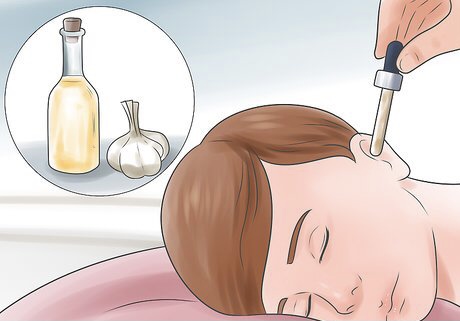
Ear drops with garlic oil (2 warm drops in the ear per day) Garlic oil is antibacterial and anti-inflammatory.
Zinc (10 mg twice a day for those over 2 years old) Zinc boosts immune function and promotes healing.
Vitamin C (1,000 mg three times a day for adults, 500 mg twice a day for children aged 6-12 years) Vitamin C improves immune function and reduces inflammation.
Vitamin D3 (400 IU to 2,000 IU per day for ages 2-12 years) Vitamin D3 helps support the immune system.
Precautions for Ear Infection
If you experience dizziness, vertigo, or hearing loss and these symptoms do not improve after a few days or your symptoms worsen, you should seek emergency medical assistance.
Contact your pediatrician immediately if:
Your child seems very ill, with symptoms such as difficulty breathing and high fever (over 38.5).
Your child has sudden hearing loss, dizziness, or severe pain.
You notice redness, swelling, or pain behind or around your child’s ear, especially if your child is not moving that side of their face.
It is generally recommended that children under 6 months who have an ear infection and/or fever see a pediatrician immediately.