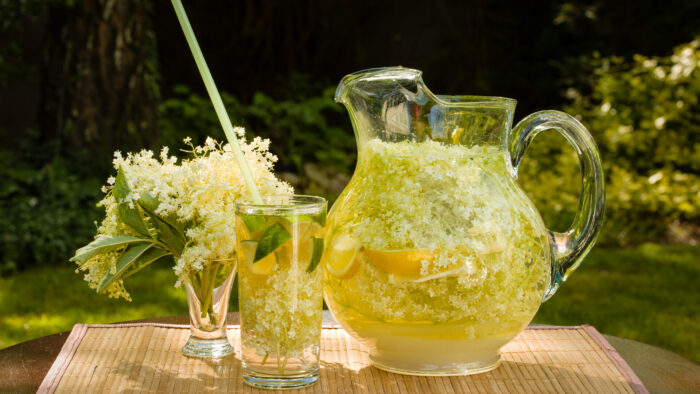
A homemade syrup with an authentic spring taste and multiple benefits for the body. Elderflower syrup, as we remember from childhood, is more than just a refreshing drink; it is a true infusion of health. Here’s how you can prepare it at home and why it deserves a place in your diet, especially during the warm season.
Ingredients for 10 liters of Elderflower Syrup:
- 10 liters of water
- 20 large fresh elderflower heads
- 1 kg of sugar (or natural sweeteners like birch sugar or xylitol if you prefer a low glycemic index option)
- 7 lemons
- 6 oranges
- 1 tablespoon of salicylic acid or 1 g of Borken powder (optional, for longer preservation)
Preparation Method:
- Put the 10 liters of water in a pot, along with the sugar.
- Boil the mixture for 10 minutes from the moment it starts to bubble.
- Once the sugar has dissolved, remove the pot from the heat and let it cool until it is warm.
- Add the well-washed elderflower heads (with the stems cut), the slices of lemon, and orange.
- Cover the pot with a clean cheesecloth and place it in a warm or sunny spot for 5 days.
- Stir 1-2 times a day to stimulate natural fermentation.
- After 5 days, strain the syrup.
- If you want longer preservation, add the salicylic acid or Borken powder dissolved in a little warm syrup.
- Pour the syrup into sterilized bottles, seal them tightly, and store them in a cool place, like a cellar.
For immediate consumption, omit the preservative and keep the syrup in the refrigerator for 7-10 days.
Benefits of Elderflower Syrup:
1. Natural Detoxification and Metabolism Stimulation
Elderflowers have diuretic and sudorific properties, helping the body eliminate toxins through urine and sweat. This effect is essential for a gentle and effective detox, especially in spring.
2. Improvement of Digestion
Elderflower syrup is known for its gentle effect on the digestive system, preventing bloating and gastric discomfort. The lemon and orange also add digestive enzymes and vitamin C, contributing to the balance of intestinal flora.
3. Support for the Immune System
Elderflowers contain flavonoids (quercetin, rutin) with antioxidant effects, which protect cells from oxidative stress. The vitamin C from citrus supports collagen synthesis and the activity of white blood cells.
4. Anti-inflammatory and Antiviral Effects
The phenolic compounds in elderflowers have been shown in studies to inhibit the replication of influenza viruses. Elderflower is often used in mild respiratory infections to reduce throat pain and fever.
5. Regulation of Blood Sugar and Cholesterol
Some studies suggest that elderflower extract may have beneficial effects on blood sugar control and reducing levels of bad cholesterol (LDL), contributing to cardiovascular health.
6. Mild Laxative and Antiparasitic Effect
Traditionally, elderflower syrup was also used as a remedy against constipation or intestinal parasites. It is a gentle remedy, especially for children or the elderly.
Recommendations:
- Do not exceed 2-3 glasses per day, especially if sweetened with sugar.
- For diabetics, the version with natural sweeteners (xylitol, erythritol) is recommended.
- Do not administer to children under 1 year old or to individuals allergic to aspirin (in the case of using salicylic acid).
Sources:
- Elderberry (Sambucus nigra) supplementation and respiratory symptoms: A systematic review, Complementary Therapies in Medicine, 2019.
- The antioxidant and antimicrobial activity of elderberry (Sambucus nigra L.) extracts, Plant Foods for Human Nutrition, 2017.
- The pharmacological potential of Sambucus nigra L., Journal of Functional Foods, 2015.
- Phenolic compounds and flavonoids content in Sambucus nigra flowers and berries, Acta Scientiarum Polonorum, Technologia Alimentaria, 2018.
- EFSA Scientific Opinion on the safety of salicylic acid and its salts, 2014.




