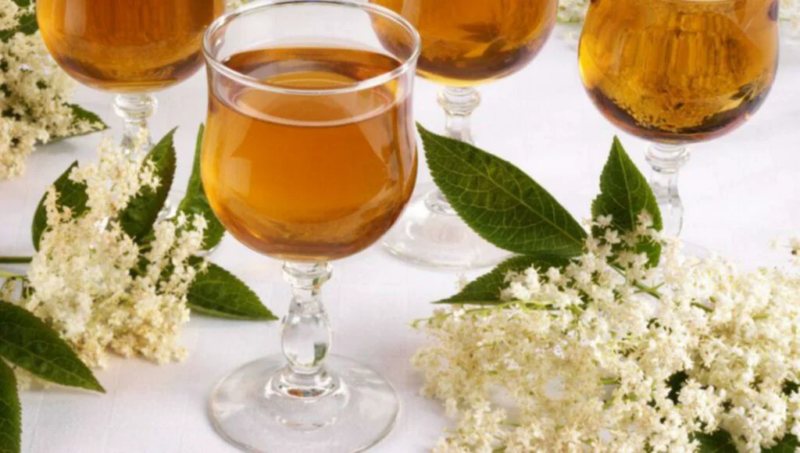
Elderflower wine is one of the most appreciated fermented beverages in traditional Romanian flora, made from the fragrant flowers of the elder tree (Sambucus nigra). A slightly acidic, aromatic, and tonic drink, elderflower wine was consumed in households of the past as a spring remedy for cleansing the body and strengthening the immune system. Unlike elderflower juice or elderflower syrup, the wine is a fully fermented preparation with a slight alcoholic content, which concentrates the benefits of the flowers in a living and biologically active form.
Benefits of Elderflower Wine: How It Affects the Body
1. Stimulates the Immune System
The flavonoids and antioxidant compounds in the flowers are enhanced through fermentation, resulting in a beverage that helps combat viral and bacterial infections. It is considered an adjunct in preventing colds and flu.
2. Detoxifying and Purifying Effect
Elderflower wine has a diuretic and mild laxative effect, aiding in the elimination of toxins through the kidneys and intestines. It supports the liver in the blood purification processes.
3. Regulates Digestion and Intestinal Flora
Due to its natural enzymes, this wine supports the balance of intestinal flora, improves transit, and reduces bloating. It is particularly useful after heavy meals or during detox periods.
4. General Tonic and Revitalizing
With its content of B vitamins and antioxidants, it provides a mild energizing effect, being used in spring detox regimens to revitalize the tired body.
What Studies Say
- Sambucus nigra L. A review of its phytochemistry and pharmacology Phytotherapy Research, 2020
Confirms the presence of flavonoids, anthocyanins, and phenolic acids in elderflowers, with antiviral, antioxidant, and anti-inflammatory effects. - Fermented herbal beverages: A review on nutritional, therapeutic and microbiological aspects Journal of Functional Foods, 2022
The study explains how the fermentation of plants, including elder, increases the bioavailability of nutrients and enhances immunostimulatory and digestive effects.
Traditional Elderflower Wine Recipe
Ingredients:
- 10-15 large elderflower heads
- 3 liters of still water
- 500 g honey or 600 g brown sugar (depending on preference)
- 1 organic lemon (sliced)
- 1 tablespoon wine yeast (optional, for faster fermentation)
Preparation Method:
- Gently rinse the flowers and place them in a large jar or demijohn.
- Add the water, honey/sugar, lemon slices, and yeast (if using).
- Cover the mouth of the jar with a cheesecloth and let it ferment for 5-10 days in a warm place, stirring daily.
- When fermentation is complete (no more bubbles appear), strain and pour into bottles.
- Let it mature in the refrigerator or cellar for 2-4 weeks before consumption.
Consumption Method
- 50-100 ml/day, before meals, for 2-3 weeks
- Can be consumed as a tonic in spring or after periods of effort/stress
- Do not exceed a course of 21 days without a break
Contraindications and Precautions
- Not recommended for children under 12 years, pregnant women, and those who are breastfeeding
- Individuals with liver or pancreatic issues should consult a doctor
- Do not consume in excess as it may irritate the stomach or produce laxative effects
- Does not replace medical treatments for severe infections
Elderflower wine is a naturally fermented beverage with a valuable therapeutic profile, from strengthening immunity to detoxifying the body and revitalizing the digestive system. When prepared correctly, without artificial additives, it can be a wonderful spring tonic. However, moderation and caution in administration are recommended, as any active fermented product can have strong effects on the body.
Sources:
- Phytotherapy Research Sambucus nigra L. A review of its phytochemistry and pharmacology
- Journal of Functional Foods Fermented herbal beverages: A review on nutritional, therapeutic and microbiological aspects
- Remedies from fermented flowers and plants, Scientific Publishing and Life




