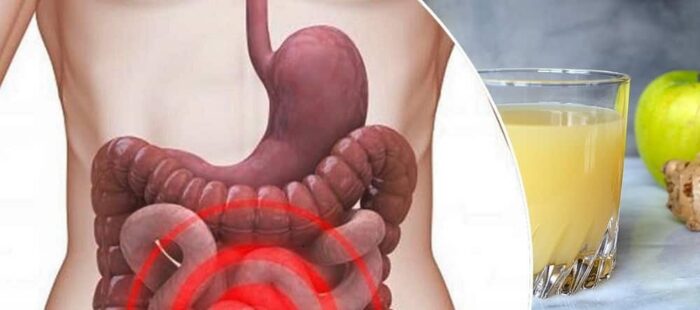
The natural treatment for cleansing the large intestine generally consists of consuming foods with laxative, purgative, and detoxifying effects.
In the following lines, we present several recipes recommended by the Russian author Mikhail Tombak.
What Functions Does the Large Intestine Have?
The large intestine, or colon, is the final part of the digestive tract, where stool is produced and stored.
The large intestine absorbs water and electrolytes. It produces and assimilates vitamins. It forms and propels fecal matter towards the rectum for elimination. It contributes to the removal of waste, toxins, microbes, and harmful bacteria from the body.
A healthy colon can thus help improve overall health and combat diseases. The health of the large intestine is affected by diets low in fiber and nutrients.
When the colon does not function optimally, it can no longer effectively eliminate bacteria, microbes, and toxins from the body.
Therefore, there is a risk that these can enter the bloodstream and subsequently affect other organs or systems.
Signs of a Congested or Non-Functional Colon
A colon that is not functioning optimally will start to produce problems at the intestinal level, and not only:
- bloating, excessive flatulence
- slow transit, constipation
- gray coating on the tongue
- black spots on the teeth
- fatigue
- headaches
- general malaise
- memory problems
- slow thinking
- respiratory difficulties
- pulmonary issues
Signs of a deficient colon can also be seen on the skin: rashes, eczema, allergies, foul-smelling sweat.
How Can We Test Colon Function?
There is a simple way to test the functionality of the large intestine. Mikhail Tombak recommends the following method:
- consume 2 tablespoons of freshly squeezed beet juice
- wait for 4 hours
- if the urine is red in color, this is a sign that the large intestine is not functioning well.
Kefir and Apple Juice Cleanse
A very good cleanse for the large intestine is based on kefir, apple juice, and vegetable salads.
Day 1: drink 2.5 liters of kefir throughout the day and eat whole grain biscuits or other cereals (do not consume anything else).
Day 2: drink 1.5-2 liters of freshly squeezed apple juice and eat cereal biscuits; the quantity should be divided into 6 equal portions, which will be consumed throughout the day; the juice should be freshly squeezed from naturally sweet apples.
Day 3: consume vegetable salads (e.g., carrots, beets, boiled or baked potatoes, onions, cucumbers, or pickled cabbage with oil), plus cereal biscuits.
This dietary regimen can be followed twice a month.
Other Recipes That Help Cleanse the Colon
Fruits are very useful in detoxifying the colon. Here are some effective ways to include them in your diet for this purpose:
Dried Fruits with Honey Recipe
Ingredients
- 200 g of dates
- 200 g of apricots
- 200 g of figs
- 200 g of honey
Preparation
The fruits are chopped and mixed in a jar with honey. The preparation is stored in the refrigerator.
Administration
Take about 1 tablespoon of this mixture in the evening, before bedtime. The cleanse ends when the preparation is finished. It can be repeated every three months.
Orange Cleanse
Consume 2 oranges per day. The fruits should be peeled and eaten in the evening, 2 hours after dinner. The cleanse lasts for 2 consecutive weeks.
Plums with Whey Recipe
Ingredients
- 20 dried plums
- 400 ml of whey
Preparation and Administration
Cut 10 plums in half and place them in a glass. Add the whey and mix. The recipe should be prepared in the evening. Let it macerate until morning.
The next day, drink the whey first, then eat the fruits on an empty stomach.
Soak another 10 plums in a glass of whey and leave them until evening. Consume the preparation before bedtime.
Follow this for at least 10 consecutive days. You can repeat the treatment every three months.
Other Tips for a Healthy Colon
Limit the consumption of meat and other animal products. These reduce the colon’s ability to absorb nutrients and minerals.
Reduce the intake of coffee, white bread, sweets, and cow’s milk.
Consume more fiber-rich foods, such as vegetables, fruits, whole grains, and legumes.
Eat pickles, as they help increase the good bacteria in the intestine.
Eat slowly and chew your food well. Avoid drinking water during meals.




