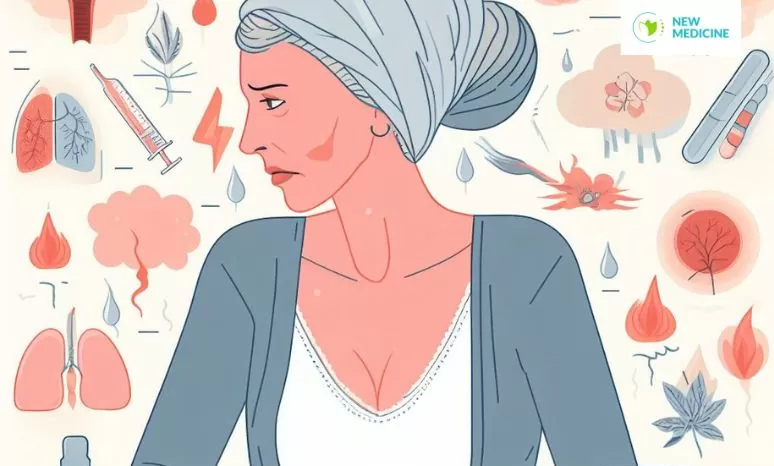
Menopause is a natural stage in every woman’s life, marking the end of the fertility period during which she can conceive. The age at which menopause occurs varies from person to person, but on average, it sets in around the age of 50. During this time, a series of changes occur in the body that generate rather unpleasant symptoms, largely associated with the decrease in estrogen, the main female sex hormone.
A natural remedy against these symptoms consists of estrogen-rich foods, which we will present throughout this article.
Why are estrogen-rich foods recommended during menopause?
Estrogen is a hormone predominantly secreted by the ovaries, and its production decreases as menopause approaches. It determines the development of female sexual characteristics, regulates the menstrual cycle, and contributes to pregnancy development, but it is also involved in other essential functions in the body. As estrogen levels drop during menopause, a hormonal imbalance occurs, leading to unpleasant symptoms such as hot flashes, mood swings, sleep disturbances, increased breast sensitivity, and vaginal dryness. Often, these symptoms manifest over several years, causing discomfort and affecting quality of life.
Diet can play an important role in alleviating these symptoms by incorporating estrogen-rich foods into the diet, which can help restore hormonal balance to some extent. Estrogen-rich foods thus contribute to alleviating the unpleasant symptoms associated with menopause and serve as a natural alternative to hormone replacement therapy, which involves administering synthetic hormones that act like those produced by the body. At the same time, consuming estrogen-rich foods during menopause can prevent the onset of associated conditions such as osteoporosis, cardiovascular diseases, or type 2 diabetes. Last but not least, the menopause period can also generate negative mental states, so estrogen-rich foods can help prevent anxiety disorders or depression in this case.
What do estrogen-rich foods actually contain?
As mentioned, estrogen is a female hormone secreted primarily by the ovaries, so you may be wondering how it ends up in foods. In reality, estrogen-rich foods do not contain this hormone in its natural state, as secreted by the female body, but rather plant-derived chemical compounds that mimic the effects of estrogen. Therefore, estrogen-rich foods actually contain phytoestrogens, which are those natural compounds that interact with estrogen receptors in the body, generating effects similar to those associated with the natural hormone.
We will continue to refer to them as estrogen-rich foods because this is the term commonly used in everyday language, making the content of this material easier to access and understand.
What are the most well-known estrogen-rich foods?
Estrogen-rich foods are of plant origin, which is an advantage as they come packed with a significant dose of vitamins, minerals, and antioxidant substances that provide important support to the body during such a somewhat difficult period.
Legumes
All legumes can be considered estrogen-rich foods as they contain varying amounts of isoflavones, which are a category of phytoestrogens specific to these plants. By far, soy products are the estrogen-rich foods that should be mentioned first, as they contain the highest amounts of isoflavones. Specifically, 100 grams of soybeans contain between 100 and 300 milligrams of isoflavones, depending on the variety analyzed. The list of estrogen-rich foods in the legume category is completed by chickpeas, lentils, peas, and beans, which contain much smaller amounts of isoflavones compared to soy.
Nuts and seeds
Another well-represented category of estrogen-rich foods includes nuts and seeds, which predominantly contain another type of phytoestrogens called lignans. These are polyphenolic compounds that behave similarly to estrogen, while also improving digestion and helping to reduce levels of bad cholesterol (LDL cholesterol) in the blood.
Among this category, flaxseeds stand out, which have long been known as estrogen-rich foods, with the note that it is preferable for them to be consumed ground, as this way the substances they contain are better absorbed by the body.
Sesame seeds are also considered estrogen-rich foods, and from the other category, we can mention pistachios, almonds, and walnuts.
Fruits and vegetables
In addition to the numerous qualities attributed to fruits and vegetables, many of them are also estrogen-rich foods. It is true that they cannot be compared to legumes and seeds, but they contain certain amounts of phytoestrogens that contribute to alleviating menopause-specific symptoms and preventing associated diseases. Among the estrogen-rich foods in this category, we mention apples, pears, pomegranates, blackberries, plums, carrots, and cabbage.
How effective are estrogen-rich foods?
No matter how many phytoestrogens estrogen-rich foods contain, they cannot influence the natural evolution of the body by stopping the changes that occur during menopause. Neither estrogen-rich foods nor hormone replacement therapies can cause the body to increase hormone production or restore fertility. Their role is merely to ease the transition from the fertile period to menopause and to prevent the onset of health problems associated with decreased estrogen levels.
The effectiveness of a diet rich in estrogen varies from case to case, as each body is unique and reacts differently to the specific changes of menopause and the increased intake of phytoestrogens. Thus, in some cases, such a diet may help alleviate certain symptoms, while in other cases, it may alleviate other symptoms or have a weaker or more pronounced effect.
In most cases, however, such a diet has worked, with reports of improvements in symptoms such as hot flashes, increased breast sensitivity, mood swings, and vaginal dryness.
Estrogen-rich foods are generally healthy foods, so their inclusion in the diet can be done well before menopause, in which case it is possible that the symptoms mentioned may not even be felt. Although they do not pose significant issues, it is advisable to consult a doctor before starting such a diet at the onset of menopause.
It should also be noted that a diet based on estrogen-rich foods can influence the effect of certain medications, especially if hormone replacement therapy is also being applied in parallel. Therefore, it is even more recommended to inform your doctor of this fact if you are undergoing medication treatment.




